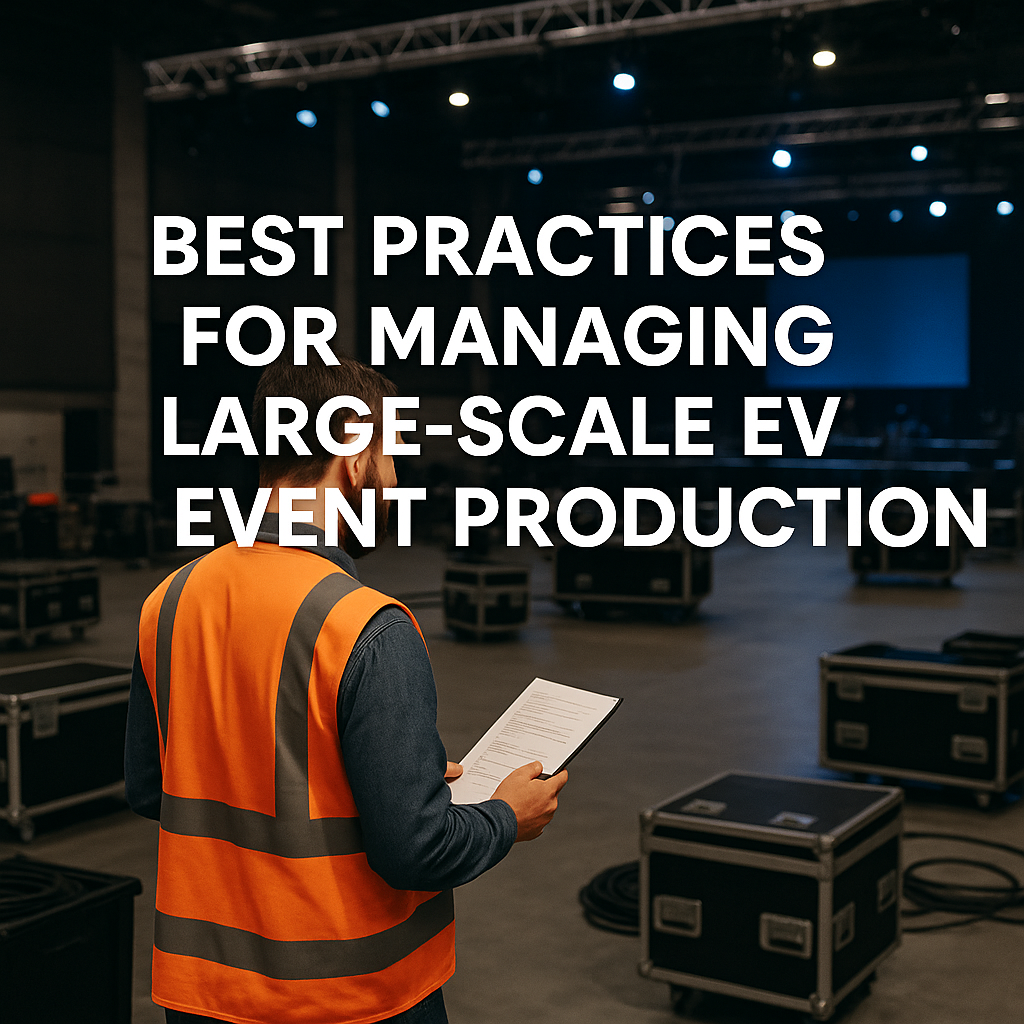
Introduction to Large-Scale Event Production
Large-scale event production is a multifaceted process that plays a pivotal role in various industries, including entertainment, corporate, and non-profit sectors. It encompasses the planning, coordination, and execution of events that attract significant audiences and often involve substantial resources. Events such as concerts, conferences, festivals, and sporting events exemplify the breadth and complexity of large-scale event production.
The significance of mastering large-scale event production cannot be overstated, as it directly impacts audience experience and overall success. Due to the intricate nature of these events, it is essential for producers and coordinators to skillfully manage numerous components, from venue selection and logistics to marketing and audience engagement. Each element requires careful attention to detail to ensure that everything runs smoothly.
One of the key challenges in large-scale event production is the coordination of multiple stakeholders, including collaborators, sponsors, vendors, and local authorities. Effective communication and collaboration among these parties significantly enhance the likelihood of achieving a seamless event experience. Furthermore, balancing competing priorities, such as budget constraints and creative vision, is crucial in delivering an unforgettable experience for attendees.
Another critical aspect of event production is risk management, which involves identifying potential challenges and implementing strategies to mitigate them. Large events are susceptible to various risks, including weather-related disruptions, technical failures, and safety concerns. To address these issues, thorough planning and contingency strategies must be incorporated from the inception stage.
In essence, large-scale event production is a complex endeavor that requires a blend of strategic planning, effective communication, and meticulous attention to detail. By recognizing the intricacies involved, event organizers can better prepare for the best practices that will enhance the overall effectiveness and success of their endeavors.
Setting Clear Objectives and Goals
Establishing clear objectives and goals is a fundamental step in the large-scale event production process. These guiding principles not only direct every aspect of planning but also ensure that all team members are aligned and working toward a common purpose. When objectives are well-defined, they pave the way for efficient resource allocation, effective communication, and a cohesive vision throughout the event lifecycle.
One effective approach to setting objectives is through the use of SMART criteria. SMART stands for Specific, Measurable, Achievable, Relevant, and Time-bound. By adhering to this framework, event planners can create focused goals that enhance clarity. For instance, rather than merely aiming to “increase attendance,” a SMART objective would be to “attract 500 attendees from the local community in the first two weeks of registration.” This specificity enables clearer tracking of progress and success.
In addition, clearly defined goals help teams maintain focus as they navigate through complex event logistics. For instance, when there is a consensus that the key objective is to optimize attendee engagement, all planning decisions, from the choice of speakers to the design of interactive sessions, can be aligned with this goal. Furthermore, after the event concludes, these objectives serve as benchmarks for evaluation. By measuring outcomes against the set goals, organizers can assess which aspects were successful and identify areas for improvement.
To cultivate a culture of goal-oriented planning, it is beneficial to involve the entire team in the objective-setting process. This inclusivity fosters a sense of ownership and commitment, enhancing the likelihood that the established goals will be vigorously pursued. Overall, the process of setting clear objectives is an indispensable component of successful large-scale event production, driving both team motivation and event impact.
Comprehensive Budgeting and Financial Management
Effective budgeting is fundamental to the successful production of large-scale events. A well-planned budget serves not only as a financial blueprint but also as a tool for tracking expenses and ensuring transparency throughout the event lifecycle. The first step in creating a comprehensive budget involves identifying all potential costs associated with the event. This includes venue fees, catering, equipment rentals, marketing, and personnel costs. By categorizing these expenses into fixed and variable costs, event planners can more accurately estimate the total financial requirements.
Once the preliminary budget is established, it is crucial to implement a system for tracking actual expenses against the planned budget. Utilizing budgeting software or spreadsheets can significantly enhance the process of monitoring expenditures and ensuring that the event remains financially viable. Regularly reviewing the budget allows planners to identify any discrepancies and make necessary adjustments, thus preventing overspending. This proactive approach also supports financial transparency, an essential element that stakeholders and sponsors value during large-scale events.
Additionally, sourcing funding and securing sponsorships are vital components of financial management in event production. To identify potential sources of funding, planners should research local businesses and industries related to the event’s theme or target audience. Crafting compelling sponsorship proposals that outline the benefits of partnership, such as brand exposure and audience engagement, can also facilitate securing financial support. Offering tiered sponsorship packages enables businesses to select a level of commitment that suits their budget, thereby expanding the funding pool.
In summary, budgeting and financial management are critical aspects of successful large-scale event production. By developing a detailed budget, tracking expenses, and actively seeking funding opportunities, planners can ensure that their events not only meet their objectives but also operate within financial parameters.
Understanding the Logistics of Event Planning
Successfully executing a large-scale event requires meticulous planning and coordination of numerous logistical elements. One of the fundamental aspects is venue selection. It is essential to choose a location that not only aligns with the event’s purpose but also accommodates the anticipated number of attendees comfortably. Factors such as accessibility, available amenities, and technical infrastructure must be considered to ensure that the venue can support all planned activities effectively.
Transportation logistics are another critical component of event planning. Identifying suitable transportation options for attendees, staff, and equipment is vital to ensure smooth arrivals and departures. Coordinating shuttle services or providing detailed directions can mitigate potential challenges on the event day. Additionally, implementing parking arrangements, particularly for locations with limited space, can greatly enhance the attendee experience.
Accommodation choices should also be factored into the logistics plan. Organizers should collaborate with local hotels to negotiate group rates or blocks of rooms to ensure that attendees have convenient lodging within close proximity to the event venue. Providing this option enhances overall satisfaction and improves attendance.
Furthermore, securing the necessary equipment rentals is imperative for the event’s functionality. This may include staging, audiovisual equipment, and seating arrangements. An efficient logistics plan will specify the timeline for equipment delivery and set-up, allowing time for troubleshooting and adjustments as needed.
Effective communication among all stakeholders is essential throughout the planning and execution phases. It is crucial to establish clear lines of communication with vendors, staff, and stakeholders to ensure that everyone is aligned with the logistics plan. Regular updates and meetings can help address any issues proactively, fostering an environment of collaboration that is vital for the successful realization of a large-scale event.
Building an Effective Team
Assembling a talented and proficient team is pivotal for the success of large-scale event production. An effective team not only contributes to the successful execution of an event but also enhances the overall creative process. Defining clear roles and responsibilities is essential in helping team members understand their contributions to the project. Within an event production context, roles may include event director, project manager, marketing coordinator, technical staff, and volunteer coordinators, among others. Each role provides a unique perspective and specialty, contributing to a well-rounded production.
The significance of teamwork and collaboration cannot be overstated. Large-scale events often involve several moving parts, and coordination among team members is key to ensuring that all aspects of the event run smoothly. Regular communication, brainstorming sessions, and team-building exercises promote cohesion and foster a collaborative spirit. This atmosphere encourages team members to share ideas, solve challenges creatively, and support one another, ultimately leading to improved outcomes.
Recruiting and onboarding volunteers or staff is another vital aspect of building an effective team. Clear criteria for selection can help identify individuals with the necessary skills and a commitment to the event’s success. Consider hosting informational sessions or workshops to provide potential team members with insights into the event’s vision and goals. Proper onboarding is equally important; new recruits should understand their specific roles, the event’s objectives, and how their contributions tie into the larger picture. This integration helps cultivate a sense of ownership and responsibility among team members.
The dynamics of leadership play a significant role in managing diverse teams. Strong leaders inspire trust and motivate team members to perform at their best. By recognizing individual strengths and leveraging them accordingly, leaders can build an environment that values diversity, ensuring that various perspectives are integrated into event production. Emphasizing an inclusive and collaborative approach will ultimately enhance both team morale and the quality of the event produced.
Utilizing Technology and Innovation
In the modern landscape of large-scale event production, leveraging technology and innovative tools has become crucial for enhancing overall efficiency and attendee engagement. One of the primary tools in this domain is event management software, which facilitates the planning and execution of various aspects of an event. These software solutions often integrate functionalities such as budgeting, scheduling, and resource management, thus enabling event producers to manage their tasks more effectively and efficiently.
Another essential component is the ticketing system, which plays a vital role in audience engagement. Advanced ticketing platforms not only streamline the purchasing process but also offer features such as tiered pricing, promotional codes, and real-time sales tracking. This data-driven approach allows organizers to adjust their strategies based on ticket sales trends, ultimately maximizing attendance and revenue.
Furthermore, the rise of virtual engagement tools has expanded the possibilities for event participation. Applications that allow for live streaming, audience interaction, and networking can significantly enhance the experience for both in-person and virtual attendees. As hybrid events gain popularity, integrating these tools ensures that everyone feels included, thus promoting a more cohesive event atmosphere.
Social media promotion is another innovative way to reach broader audiences and create buzz around an event. Platforms like Facebook, Twitter, and Instagram allow event organizers to connect with potential attendees, share updates, and even gather feedback. Utilizing these channels not only helps boost attendance but also fosters a community around the event, enhancing engagement before, during, and after the production.
By incorporating these technologies into the event production process, organizers can streamline workflows, improve attendee interaction, and ultimately create a more successful event. The strategic use of technology not only optimizes logistics but also elevates the overall experience for all involved, showcasing the indispensable role of innovation in large-scale event production.
Marketing and Promotion Strategies
Effective marketing and promotion play a crucial role in the success of any large-scale event. A well-crafted marketing plan not only helps in creating buzz but also ensures that the event reaches its target audience effectively. To begin with, digital marketing stands out as an essential tactic. Utilizing social media platforms, email campaigns, and search engine optimization can significantly enhance visibility. Engaging content, like videos and blog posts, can help convey the event’s uniqueness, thus attracting potential attendees.
Public relations (PR) is another strategic component of event promotion. Crafting press releases and engaging with media outlets can amplify the event’s reach. By securing media coverage, event organizers can tap into broader audiences who might be interested in attending. Furthermore, leveraging influencers or industry leaders as spokespeople can enhance credibility and encourage their followers to participate.
Partnerships can also yield significant benefits. Collaborating with local businesses or relevant organizations not only expands promotional reach but can also create reciprocal benefits, such as sponsorships or cross-promotional opportunities. For example, a tech conference might partner with tech companies or educational institutions to drive attendance and add value to the event.
Grassroots marketing, involving community engagement, is another effective tactic. This approach can include hosting smaller pre-events, workshops, or industry meetups to build excitement and foster connections. Engaging local communities through flyers, posters, or local news stations can also contribute to elevating event awareness.
Furthermore, measuring engagement and success through metrics such as ticket sales, social media interactions, and website traffic is essential. Analytics enable organizers to refine their strategies for future events. By employing these marketing and promotion strategies, event planners can significantly boost attendance and ensure the overall success of large-scale events.
Safety and Risk Management
In large-scale event production, ensuring safety and effectively managing risks is of paramount importance. The sheer size and complexity of such events present unique challenges that necessitate meticulous planning and proactive measures. Identifying potential risks begins with a comprehensive assessment of the event venue, layout, and anticipated crowd size. Event planners must account for various risk factors, including but not limited to public safety, structural integrity, crowd management, and health emergencies.
Once potential risks have been identified, the next step is to create a detailed risk management plan. This plan should outline specific strategies to mitigate risks and establish clear roles and responsibilities among the event team. It is essential for all personnel to be aware of emergency protocols, including evacuation routes and first aid procedures. Furthermore, ensuring compliance with applicable safety regulations is crucial. This includes adhering to local laws, obtaining necessary permits, and conducting safety inspections before the event commences.
Contingency planning plays a critical role in managing unforeseen circumstances. Event organizers should outline response strategies for various scenarios, such as severe weather, technical failures, or medical emergencies. This involves developing a crisis communication plan to provide clear and timely information to all stakeholders, including staff, attendees, and emergency services. A well-defined communication strategy minimizes confusion during a crisis and ensures that responses are executed efficiently.
Ultimately, prioritizing safety and risk management in large-scale event production not only protects attendees and staff but also enhances the overall success of the event. By proactively addressing potential risks and preparing for emergencies, organizers can foster a safe and enjoyable environment that allows all participants to focus on the experience at hand.
Post-Event Evaluation and Feedback Mechanisms
Post-event evaluation is a critical stage in the lifecycle of large-scale event production. This phase not only allows organizers to assess how well the event met its initial goals but also provides a foundation for continuous improvement in future productions. Gathering feedback from attendees, staff, and stakeholders can be systematically approached through various methods, ensuring a comprehensive evaluation process.
One common method of collecting feedback is through surveys distributed to attendees immediately following the event. Online survey tools can facilitate this process, allowing questions to be tailored specifically to assess different aspects of the event, such as logistics, content quality, and overall satisfaction. In addition to traditional surveys, social media can serve as an informal feedback tool, where real-time audience reactions can provide valuable insight into participant engagement.
For a more holistic view, it’s important to also gather input from staff and key stakeholders. Debriefing sessions should be organized shortly after the event’s conclusion, where team members can share their observations and insights. This collaborative discussion fosters a transparent environment where participants can voice both challenges encountered and successful strategies employed. The culmination of these discussions can then inform the creation of a detailed debrief document.
This debrief document serves as a repository of key learnings and insights, highlighting what went well and identifying areas needing improvement. It should be structured yet comprehensive, including metrics that measure success against the original objectives of the event. By incorporating both quantitative and qualitative data, the debrief can outline clear recommendations for enhancing subsequent events.
In conclusion, post-event evaluation and feedback mechanisms are vital components of successful large-scale event production. Embracing a systematic approach to gathering feedback not only assesses the event’s impact but also lays the groundwork for future innovations and enhancements in event management practices.
Really impressed with the graphics and the overall feel of the site. It feels very premium and secure. You should visit ph311jilipark.
[3695]Betnero লগইন এবং অ্যাপ ডাউনলোড | বিকাশ ক্যাসিনো ডিপোজিট,betnero login করুন এবং বিকাশ দিয়ে ক্যাসিনো ডিপোজিট করে অনলাইন স্লট গেম খেলার নিয়ম জানুন। লাইভ ক্যাসিনো বোনাস অফার পেতে আজই জয়েন করুন। visit: betnero
Everything from registration to withdrawal was a breeze. No unnecessary hassles, just a clean experience. idnike88 really knows how to treat their users.
Really impressed with the win rates on this site. It feels fair and the rewards are distributed quite generously. xs777game
If you are looking for a reliable betting site, this is it. The odds are competitive and the site layout is very clean. My go-to is idtmbet88