Production Management Essentials for Events in Dubai
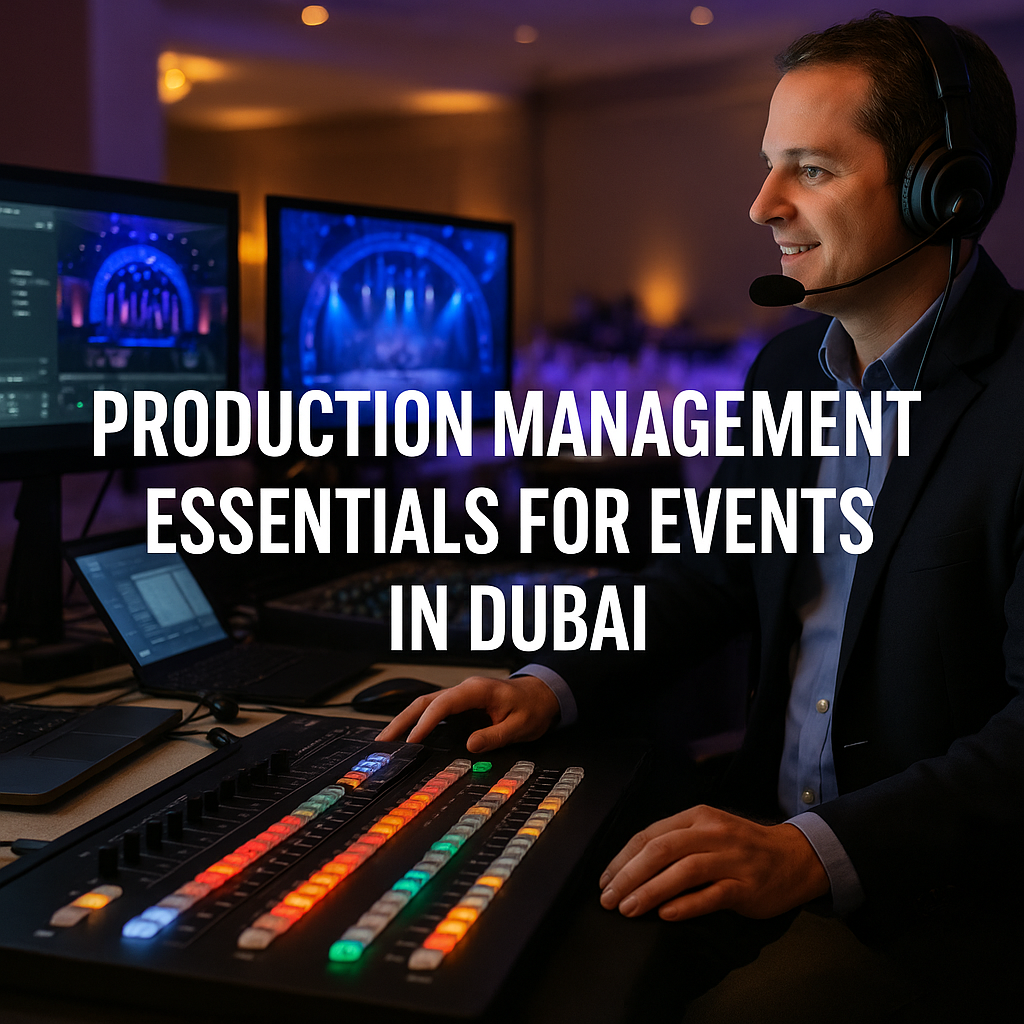
Introduction to Event Production Management Event production management encompasses the planning, coordination, and execution of events, ensuring that each aspect aligns with the envisioned goals and standards. In a vibrant and rapidly evolving city like Dubai, known for its diverse cultural landscape and booming business events, effective event production management is paramount. This multidisciplinary approach integrates project management, logistics, marketing, and stakeholder engagement to create memorable experiences that resonate with attendees. One of the principal significance of event production management lies in its ability to streamline processes and enhance the overall event experience. By meticulously orchestrating the many moving parts—such as venue selection, technology integration, and audience engagement strategies—event production managers can transform initial concepts into successful, impactful events. In the context of Dubai, where the expectations for events are exceptionally high, mastering these elements is vital for attracting local and international participants. Moreover, the cultural nuances of Dubai necessitate a tailored approach to event production management. Understanding the local traditions, preferences, and business etiquettes can significantly elevate an event’s efficacy. Professional event managers not only navigate the logistical hurdles but also harmonize the content and format of events with Dubai’s rich heritage and contemporary values. This alignment increases engagement and fosters a sense of community, ensuring that attendees leave with a positive and memorable experience. Ultimately, the success of any event in Dubai hinges upon the principles of effective production management. It underpins the entire lifecycle of an event, from inception to completion, solidifying its role as an essential component in the evolving landscape of event planning in the city. As the event industry in Dubai continues to flourish, so too will the significance of proficient event production management. Understanding the Dubai Events Landscape The events landscape in Dubai is distinguished by its vibrant diversity and a dynamic array of offerings that cater to various audiences. This multifaceted environment encompasses corporate events, extravagant weddings, and large-scale festivals, each necessitating careful planning and execution. With a burgeoning economy and a growing reputation as a global business hub, corporate events are predominant, attracting multinational companies and organizations looking to make a significant impact. These events often range from seminars and conferences to product launches and networking gatherings, showcasing the latest innovations and fostering professional relationships. Weddings in Dubai are exceptionally grand and luxurious, reflecting the cultural richness and heritage of the region. Often characterized by elaborate decorations and numerous guests, wedding planning in Dubai requires a deep understanding of both local customs and contemporary trends. This duality influences everything from venue selection to catering services, ensuring that each event resonates with cultural significance while appealing to modern sensibilities. The city offers a variety of exquisite locations, including lavish hotels and stunning outdoor venues, allowing couples to create memorable celebrations. Additionally, the festival scene in Dubai is particularly robust, featuring events like the Dubai Shopping Festival and Art Dubai, which draw thousands of visitors locally and internationally. These festivals not only promote cultural exchange but also significantly boost tourism, contributing to the local economy. Seasonality plays a critical role in this landscape, as event planners must navigate hot summers and cooler winters, often scheduling outdoor events accordingly. Moreover, legal considerations such as permits and regulations must be adhered to in order to ensure compliance with Dubai’s laws and cultural norms, making a thorough understanding of the local landscape essential for successful event production. Essential Skills for Effective Production Managers In the dynamic landscape of event production in Dubai, effective production managers must possess a specific skill set that allows for the successful execution of diverse events. Among these essential skills, project management stands as a cornerstone. A proficient production manager must be able to oversee the entire lifecycle of an event, from planning and coordination to execution and post-event evaluation. Utilizing project management tools and methodologies ensures that timelines are adhered to, tasks are delegated appropriately, and goals are met efficiently. Another critical skill is budgeting. Production managers are tasked with creating comprehensive budgets that encompass all aspects of the event, including venue costs, equipment rental, staffing, and marketing expenses. The ability to devise a budget that aligns with the client’s vision while also maintaining financial viability is paramount. In Dubai’s competitive market, savvy negotiation with vendors and suppliers is also essential to secure the best possible rates without compromising quality. Time management cannot be overstated in the realm of event production. Production managers must juggle multiple responsibilities simultaneously, often under tight deadlines. The skill to prioritize tasks effectively not only aids in the smooth progression of event preparations but also serves to alleviate stress among team members, fostering a more productive environment. Moreover, communication plays a vital role in the success of an event. A production manager must be adept at conveying clear and precise information to various stakeholders, including clients, team members, and vendors. This competency helps in building strong relationships and ensuring that everyone involved understands their roles and responsibilities. For instance, during a large-scale corporate event in Dubai, clear communication channels can prevent misunderstandings that lead to costly delays. Lastly, negotiation skills are crucial for handling contracts and resolving conflicts that may arise during the planning and execution phases. A production manager equipped with strong negotiation abilities can effectively advocate for their team and clients, ultimately leading to more favorable outcomes. Key Stakeholders in Event Production Event production is a multifaceted endeavor that typically involves several key stakeholders, each playing a crucial role in ensuring the success of an event in Dubai. Understanding their functions and contributions is integral for effective stakeholder management. The foremost stakeholders include clients, vendors, sponsors, and local authorities, each with distinct responsibilities. Clients are often the initiators of the event, defining the objectives, budget, and overall vision. Their expectations significantly impact the planning process, requiring clear communication and understanding of their needs. Engaging with clients throughout the event lifecycle ensures their vision is translated into reality, fostering satisfaction and potential for future collaborations. Vendors, ranging from caterers to audiovisual services, also play
Elevate Your Event: The Power of Entertainment

Introduction to Entertainment in Events Entertainment plays a pivotal role in the realm of events, transforming ordinary gatherings into extraordinary experiences. At its core, entertainment is not merely an addition to an event; it serves as a crucial element that enhances engagement and creates lasting memories for attendees. Whether it is a corporate function, a wedding, or a festival, integrating entertainment fosters an atmosphere where guests can connect, relax, and enjoy themselves. As event planners seek to create distinctive experiences, the significance of entertainment cannot be overlooked. It acts as a bridge, drawing guests into the event’s theme, narrative, or purpose, while simultaneously keeping their attention focused on the occasion. Various forms of entertainment, ranging from live performances to interactive activities, cater to diverse interests and demographics, ensuring that all attendees find something enjoyable to engage with. Moreover, entertainment contributes to the overall atmosphere and mood of an event. A well-curated entertainment lineup has the potential to energize guests and encourage social interaction, transforming the dynamics of a gathering. For instance, incorporating live music can evoke certain emotions, while the excitement of interactive games can stimulate participation, both of which elevate the overall experience of an event. Incorporating entertainment into events not only enhances guest satisfaction but also reinforces the event’s message or theme. It allows for creative expression, which can be pivotal in creating a memorable experience that resonates beyond the actual event. By understanding the power of entertainment and its ability to engage and entertain, event planners can better design experiences that leave a lasting impression on their attendees. Types of Entertainment to Consider When planning an event, the selection of appropriate entertainment plays a crucial role in shaping the overall experience. Various types of entertainment can be employed to engage attendees and enhance the event’s theme. Live music is one of the most popular choices, offering a dynamic atmosphere. From solo artists to full bands, the genre can range from classical to contemporary, ensuring that there is something to suit every audience preference. Live performances not only provide enjoyment but also create a memorable backdrop for networking and social interactions. Comedy is another entertaining option that can lighten the mood and keep guests engaged. Hiring professional comedians can inject humor into your event, thereby fostering a relaxed environment. Whether it is stand-up comedy or interactive sketches, comedians tailor their performances to resonate with the audience, ensuring laughter and amusement throughout the event. Such performances can be particularly effective in corporate gatherings, charity events, or parties, creating a more enjoyable experience for all. Beyond music and comedy, there are various performers who can captivate guests with their unique talents. This includes magicians, dancers, acrobats, and even fire performers. Engaging performers offer interactive experiences that can entertain attendees during cocktail hours or breaks. Such interactive entertainment encourages participation, creating a lively atmosphere that can be tailored to various themes or age groups. Themed entertainment is particularly effective for events focusing on a specific cultural or festive aspect. From luaus to masquerade balls, themed acts can enhance the ambiance and immerse guests in a particular experience. This form of entertainment encourages creativity and can turn an ordinary gathering into an extraordinary celebration. By carefully considering the types of entertainment chosen, event planners can ensure that the offerings align with their goals and resonate with their audience. Understanding Your Audience When planning an event, recognizing and understanding your audience is paramount in selecting the appropriate entertainment. The demographic factors play a significant role in ensuring that the entertainment not only resonates with guests but also enhances their overall experience. Identifying characteristics such as age, cultural background, and preferences can inform your choices, ultimately leading to a more engaging atmosphere. Consideration of age group is particularly crucial, as entertainment that appeals to younger generations may not evoke the same response from older attendees. For instance, contemporary music acts or cutting-edge performers may captivate the interests of a youthful crowd, while classic entertainment such as jazz bands or tribute acts might resonate better with older guests. Failing to align the entertainment with the predominant age demographic can lead to disengagement and a less memorable event. Moreover, understanding cultural backgrounds and interests can provide further insight into what entertainment will be most effective. Different cultures have varied traditions and forms of expression; therefore, incorporating culturally relevant entertainment can foster inclusivity and appreciation. For instance, incorporating a renowned cultural dance performance can create a sense of pride and connection among attendees who share that heritage. Interests and preferences of your audience also must be factored into your entertainment selection. Engaging with guests through surveys or social media polls prior to the event can yield invaluable feedback about their favorites, from musical acts to types of performances. This active engagement signals to your guests that their opinions matter, thereby increasing their anticipation and excitement for the event. Ultimately, understanding your audience is essential for crafting an unforgettable experience. By taking demographic factors, interests, and preferences into account, you can select entertainment that resonates deeply with your guests, promoting enjoyment and lasting memories. Creating a Theme with Entertainment Entertainment plays a crucial role in establishing a cohesive theme for any event. By carefully selecting entertainment that aligns with the overall goals and objectives of the event, organizers can create a memorable experience that resonates with attendees. Whether it is a corporate function, wedding, or gala, the right entertainment can enhance the ambiance and contribute to a unified theme. To achieve thematic consistency, it is essential to consider the type of event and the message that it aims to convey. For instance, a formal corporate gathering may benefit from sophisticated entertainment such as a live jazz band or a skilled magician, which can elevate the overall sophistication of the evening. Conversely, a festive celebration like a birthday party may be perfectly complemented by fun activities such as a caricature artist or a photo booth that encourages guests to engage and interact. Moreover, the chosen entertainment should align
Planning a Cultural Festival in Dubai: A Comprehensive Guide

Introduction to Cultural Festivals Cultural festivals serve as vibrant celebrations that bring together diverse communities, showcasing the rich tapestry of traditions, arts, and heritage within a city. These festivals play a crucial role in promoting cultural diversity and fostering community engagement, as they provide a platform for individuals to share their unique backgrounds and experiences. The significance of cultural festivals extends beyond mere entertainment; they are essential in enhancing the cultural landscape of cities, wherein they encourage intercultural dialogue and understanding among residents and visitors alike. In the context of Dubai, a metropolis that embodies a unique blend of cultures, the importance of cultural festivals is particularly pronounced. Home to a myriad of ethnicities and backgrounds, Dubai serves as a melting pot where individuals from around the globe converge. This rich cultural amalgamation exemplifies the potential for cultural festivals to thrive, as they can offer immersive experiences that reflect the city’s multifaceted identity. Festivals in Dubai not only highlight the local heritage but also bring to light the cultural influences brought by expatriates, thus further promoting the city’s vision of inclusivity. Cultural festivals also play an instrumental role in building a sense of community. They provide an opportunity for people to come together, forge connections, and participate in collective experiences, which can significantly strengthen social ties. Furthermore, these events often stimulate local economies by attracting tourists and enhancing visibility for local artisans, performers, and businesses. In essence, cultural festivals contribute significantly to the vibrancy and dynamism of cities like Dubai, making them essential components of urban life that support both cultural preservation and innovation. Understanding the Cultural Landscape of Dubai Dubai, a vibrant metropolis located in the United Arab Emirates, is renowned for its rich cultural tapestry, which seamlessly weaves together various traditions and influences. The city’s multicultural population is a defining feature, with communities from all over the globe, including significant representations from the Middle East, South Asia, and Western nations. This diversity provides a unique opportunity for cultural festivals to thrive, reflecting the harmonious coexistence of varying traditions. The predominant influence on Dubai’s culture is undeniably its Arabic heritage, which is prevalent in its architecture, cuisine, and customs. Traditional art forms such as calligraphy and embroidery reflect the historical significance of Islamic culture in the region. Furthermore, the Arabic language plays an essential role, serving as a unifying thread among residents. To create an inclusive cultural festival, it is crucial to incorporate elements that celebrate and honor this rich Arabic tradition. Alongside Arabic customs, South Asian influences markedly shape the socio-cultural landscape of Dubai. The large expatriate community from India, Pakistan, and Bangladesh brings a wealth of traditions, festivals, and culinary diversity. Event planners should consider integrating colorful South Asian festivals such as Diwali or Eid al-Fitr into their cultural festival programming, showcasing music, dance, and cuisine that represent this vibrant community. Additionally, the impact of Western modernity cannot be overlooked. As Dubai positions itself as a global city, a blend of contemporary art forms, fashion, and culinary experiences reflective of Western culture have become increasingly prevalent. Incorporating these modern elements can create dynamic contrasts that appeal to both locals and tourists, making the cultural festival a more enriching experience. By thoughtfully combining these diverse cultural influences—Arabic heritage, South Asian traditions, and Western modernity—organizers can develop a festival that not only celebrates the unique cultural landscape of Dubai but also fosters understanding and unity among its residents and visitors alike. Defining the Theme of the Festival Choosing a theme is a critical first step in the planning of a cultural festival in Dubai. The theme serves as the foundation upon which the entire event is built, shaping not only the activities and presentations but also influencing the audience’s experience and engagement. A well-defined theme can encapsulate local customs, celebrate the diverse communities within the emirate, or showcase various international cultures, thereby fostering a sense of belonging and pride among participants. When selecting a theme, it is essential to consider how it reflects the unique cultural landscape of Dubai. One approach is to focus on the rich heritage and traditions of the emirate, highlighting elements such as traditional music, dance, crafts, and cuisine. Alternatively, the festival could emphasize themes of diversity and inclusion, showcasing the distinct cultures of the expatriate communities that call Dubai home. This not only enriches the festival experience but also promotes intercultural dialogue and appreciation among attendees. Involving community members in the theme selection process can greatly enhance the festival’s relevance and impact. Organizing brainstorming sessions, surveys, or focus group discussions allows community members to voice their ideas and preferences. This collaborative approach not only engenders a sense of ownership but also encourages participation and attendance at the festival. By incorporating diverse viewpoints, organizers can ensure that the chosen theme resonates with a broad audience, reflecting the multicultural fabric of Dubai while also fostering a spirit of unity. Ultimately, the theme of the cultural festival should encapsulate a vision that is both aspirational and accessible, inviting locals and visitors alike to partake in a shared celebration of culture and community. Engaging with the community in this process can lead to a vibrant event that is memorable and meaningful, laying the groundwork for future festivals and cultural exchanges. Planning and Logistics: Setting the Stage When organizing a cultural festival in Dubai, meticulous planning and logistics are essential for success. The initial step involves selecting a suitable venue that aligns with the festival’s theme and expected attendance. Dubai offers diverse options, including parks, community centers, and convention halls, each providing unique advantages. Considerations such as accessibility, amenities, and capacity can significantly influence venue selection. It’s crucial to conduct a thorough venue assessment to ensure that it meets the specific needs of the festival. Once a venue is confirmed, the next step involves arranging logistics, which include catering, sound and light systems, and other technical requirements. Engaging with experienced vendors can help streamline this process. Additionally, creating a detailed timeline that outlines all logistical elements will facilitate
The Ultimate Guide to Budgeting for Luxury Events in Dubai
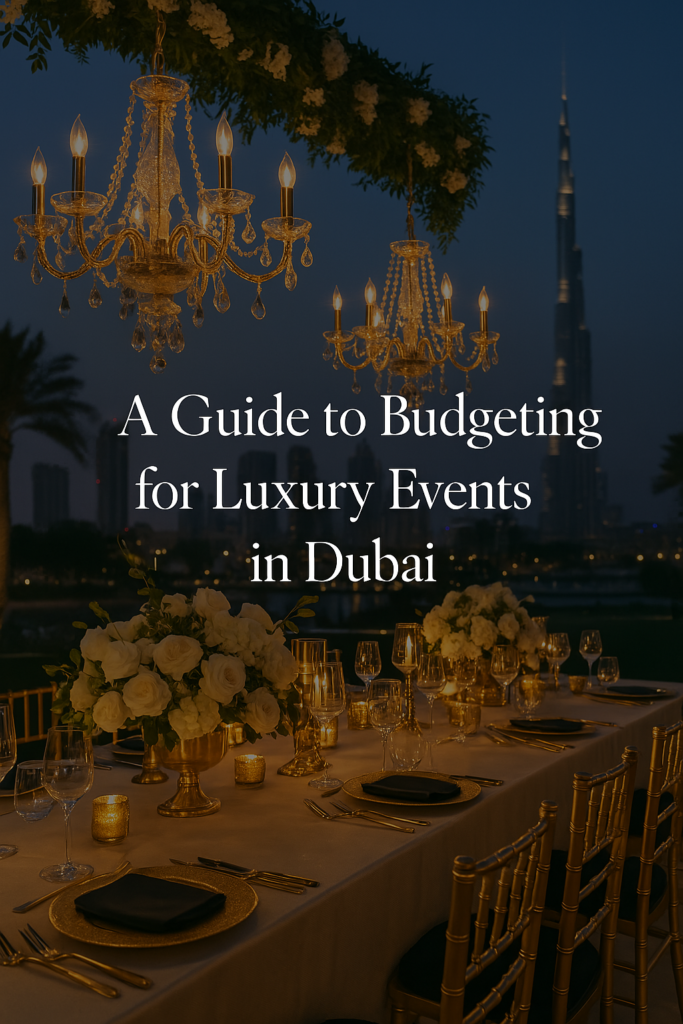
Introduction to Luxury Events in Dubai Dubai is globally recognized as a premier destination for luxury events, with its opulent structures, stunning landscapes, and vibrant cultural scene. The city offers a unique backdrop for an array of high-end events, including extravagant weddings, corporate gatherings, glamorous galas, and exclusive parties. These events not only serve as social gatherings but also reflect the affluence and sophistication that Dubai embodies. The significance of hosting luxury events in Dubai reaches beyond mere celebration; it positions the organizer within a realm of prestige and status. One of the most sought-after occasions in Dubai is weddings, which often transcend traditional ceremonies. Couples frequently opt for luxurious venues such as waterfront resorts, lavish ballrooms in five-star hotels, or even private desert locations. The focus on exquisite details, top-notch services, and bespoke experiences distinguishes these weddings as once-in-a-lifetime events that demand meticulous planning and budgeting. In addition to personal celebrations, corporate events are increasingly gaining prominence in this vibrant city. Companies often host product launches, award ceremonies, and high-profile conferences in Dubai to leverage its reputation as a business hub. These events frequently feature elements of luxury, from upscale catering to state-of-the-art technology, all of which require careful financial planning to ensure a successful outcome. Another noteworthy aspect of luxury events in Dubai is the gala dinners and charity events that showcase philanthropic efforts within the community. These events often attract influential personalities, contributing to their allure. However, orchestrating such gatherings necessitates a well-structured budget to accommodate the high expectations of guests and organizers alike. In summation, the luxury event scene in Dubai presents unique opportunities and challenges, emphasizing the critical importance of effective budgeting. Understanding the intricacies of planning extravagant gatherings is essential for executing a memorable event that reflects both luxury and sophistication. Understanding the Costs Involved When planning a luxury event in Dubai, it is crucial to have a comprehensive understanding of the various costs involved. The city is renowned for its opulence, and luxury events can come with significant expenses that need careful consideration. The first major cost to consider is venue rental fees. Dubai boasts a plethora of stunning venues, from extravagant ballrooms in five-star hotels to breathtaking outdoor locations overlooking the skyline. The cost of renting these venues varies greatly depending on factors such as location, capacity, and the time of year. For instance, securing a prime location during peak season may command higher fees. It is advisable to explore different options to find a venue that aligns with your budget while still offering an appropriate atmosphere for your event. Next, catering expenses can take a substantial portion of your budget. For luxury events, it is essential to provide a high-quality dining experience. This could involve hiring gourmet chefs and selecting premium ingredients. The catering package may include hors d’oeuvres, multi-course meals, and dessert options, along with beverage services. Additionally, specialized dietary requirements or themed culinary experiences can add to overall costs. Entertainment options represent another significant expense. Engaging high-caliber performers, such as bands, DJs, or even renowned artists, can elevate the event’s atmosphere but may also incur high costs. Other forms of entertainment, including photo booths or interactive experiences, should also be factored into the budget. Furthermore, the decor is a critical element of any luxury event. From lavish floral arrangements to elegant table settings, decor can not only enhance the event’s visual appeal but also require a considerable investment. Working with professional event planners can allow for creative yet cost-effective solutions that bring your vision to life. Lastly, additional services like photography and videography are essential for capturing memories. Hiring professionals to document the event can range widely in terms of pricing, influenced by their experience and package offerings. These services ensure the occasion is well-preserved for years to come. By breaking down these costs–venue rental, catering, entertainment, decor, and additional services–you can better allocate your budget for a successful luxury event in Dubai. Setting a Realistic Budget Creating a realistic budget for a luxury event in Dubai begins with a thorough assessment of your financial situation. Start by calculating your total available funds designated for the event. This will serve as the foundation for your budget, guiding your decisions throughout the planning process. It is essential to differentiate between necessary expenses and discretionary spending. By understanding your financial limitations, you can better allocate resources and avoid overspending. Once you have a clear picture of your finances, prioritizing expenses becomes crucial. Identify the elements of your luxury event that hold the most significance. This may include the venue, catering, entertainment, or décor. Focusing on what matters most allows you to invest more in these areas and consider potential compromises on less critical aspects. For instance, if live entertainment is essential, you might opt for a more modest venue to balance your overall spending. Another important aspect of budgeting is the inclusion of contingency measures for unexpected expenses. Events are often prone to unforeseen costs, whether due to last-minute changes or emergencies. Establishing a contingency fund, typically around 10-15% of your total budget, can ensure that you are prepared for any surprises without derailing your plans. This proactive approach provides peace of mind, allowing you to focus on creating an unforgettable experience for your guests. Additionally, practical tips such as utilizing cost-saving strategies can further optimize your budget. Consider reaching out to vendors for package deals or off-peak rates, and leverage your network for referrals to trusted suppliers. As you craft your budget, remain flexible and willing to adjust based on real-time feedback and developments. By taking these steps, you can establish a realistic budget that balances luxury with financial responsibility, setting the stage for a successful event in Dubai. Choosing the Right Venue Selecting the perfect venue is a pivotal element in planning luxury events in Dubai, serving as the backdrop against which the entire experience unfolds. The first consideration should be the location, as it significantly influences guest accessibility and convenience. A prestigious address enhances the overall luxury
The Role of Technology in Modern Event Planning
Introduction to Event Planning and Technology Event planning is a multifaceted process that involves the coordination of various elements to ensure successful occasions, ranging from small gatherings to large conferences. Traditionally, event planners have relied on manual methods such as spreadsheets, phone calls, and physical meetings to organize events. These techniques, while foundational, often resulted in challenges such as scheduling conflicts, miscommunication, and inefficient resource allocation. The complexities of modern events called for a more structured approach, leading to the evolution of event planning into a professional field complete with specialized skills and tools. As the demands of attendees have shifted toward more interactive and engaging experiences, the role of technology in event planning has become increasingly prominent. Today, technology not only streamlines operations but also enhances the overall experience for organizers and participants alike. With tools such as event management software, mobile applications, and online registration platforms, planners can now execute their jobs efficiently, saving time and reducing administrative burdens. These digital solutions allow for real-time data collection, facilitating immediate adjustments based on participant feedback and activities, which is a significant improvement over traditional techniques. Furthermore, advancements in marketing and communication technology have revolutionized how events are promoted and managed. Social media platforms, email marketing, and virtual networking have become essential components of modern event strategies, enabling planners to reach broader audiences and engage with potential attendees on a more personal level. Additionally, the rise of virtual and hybrid events, accelerated by global changes, underscores the need for innovative technological solutions that cater to diverse participant preferences. As we delve further into the specifics of technology’s impact on event planning, it is important to recognize how these advancements are not merely adding convenience; they are fundamentally transforming the landscape of the industry, allowing for enhanced creativity and better attendee experiences. The Rise of Event Management Software In recent years, the landscape of event planning has witnessed a significant transformation with the rise of event management software. These platforms have evolved from basic tools to comprehensive solutions, tailored to streamline various aspects of event coordination. The advancement in technology has enabled event professionals to manage diverse elements such as registration, ticketing, and attendee management with greater efficiency. Many popular event management software options now offer a range of features that facilitate smooth communication and organization. For instance, platforms like Eventbrite and Cvent provide seamless ticketing solutions, allowing event planners to automate ticket sales and monitor registrations in real-time. Furthermore, the integration of mobile applications enhances user engagement, as attendees can receive updates and notifications instantly, significantly improving their overall experience. In addition to ticketing, modern event management software excels in attendee management. Solutions such as Whova and Attendify allow event organizers to create detailed attendee profiles, manage schedules, and even facilitate networking opportunities among participants. These features promote a more interactive and engaging atmosphere, which is increasingly important in today’s competitive event landscape. Moreover, analytics tools embedded within these systems enable planners to track attendee behavior and preferences, providing valuable insights for future events. Collaboration is another key feature of these platforms. Many event management solutions support multiple users with varied access levels, ensuring that teams can collaborate effectively during the planning process. This not only enhances productivity but also minimizes errors, contributing to the overall success of the event. Overall, the rise of event management software has revolutionized the way events are planned and executed. By leveraging these powerful tools, organizers can ensure a seamless process, ultimately leading to more successful and memorable events. Virtual and Hybrid Events: A Technological Necessity In recent years, the landscape of event planning has undergone a remarkable transformation, particularly with the rise of virtual and hybrid events. This shift became increasingly evident due to global events such as the COVID-19 pandemic, which compelled organizations to adapt quickly to new ways of connecting with their audiences. Technology has played a pivotal role in facilitating this transition, allowing event planners to reach larger audiences than ever before. Virtual events rely heavily on a range of technological solutions, including live streaming, virtual event platforms, and interactive tools. Live streaming technology enables real-time broadcasting of events, allowing participants from various geographical locations to join in seamlessly. This not only enhances accessibility but also significantly widens the audience base, making it possible for organizations to reach attendees beyond their immediate surroundings. Virtual event platforms serve as the backbone of these online gatherings, providing comprehensive solutions for registration, engagement, and content delivery. These platforms incorporate features like chat rooms, polls, and breakout sessions, which foster interaction and maintain attendee interest. As a result, participants can network and engage with speakers and fellow attendees, simulating the experience of a traditional in-person event. This level of engagement is essential for achieving successful outcomes in terms of knowledge sharing and relationship building. Hybrid events, which combine both in-person and virtual elements, represent a unique evolution in event planning. They allow for the traditional experience of face-to-face interactions while still accommodating those who prefer or require a remote option. This dual approach not only caters to diverse audience needs but also maximizes attendance and participation. In essence, the ability to integrate technology into event planning is no longer a luxury but a necessity for ensuring success in our increasingly digital world. Event Promotion and Marketing Through Technology The advent of technology has significantly transformed the landscape of event promotion and marketing. In the past, planners heavily relied on traditional marketing methods such as print advertising, flyers, and word-of-mouth. However, with the rise of the internet and social media, promotional strategies have evolved to reach broader audiences more efficiently and at a lower cost. Social media platforms like Facebook, Instagram, and Twitter have become vital channels for event marketing, enabling organizers to engage potential attendees in real-time. Utilizing social media for event promotion allows planners to create targeted advertising campaigns, share engaging content, and interact with potential attendees directly. By leveraging features such as event pages, live streaming, and influencer partnerships, event organizers
Dubai’s Best Locations for Eye-Catching Brand Activations
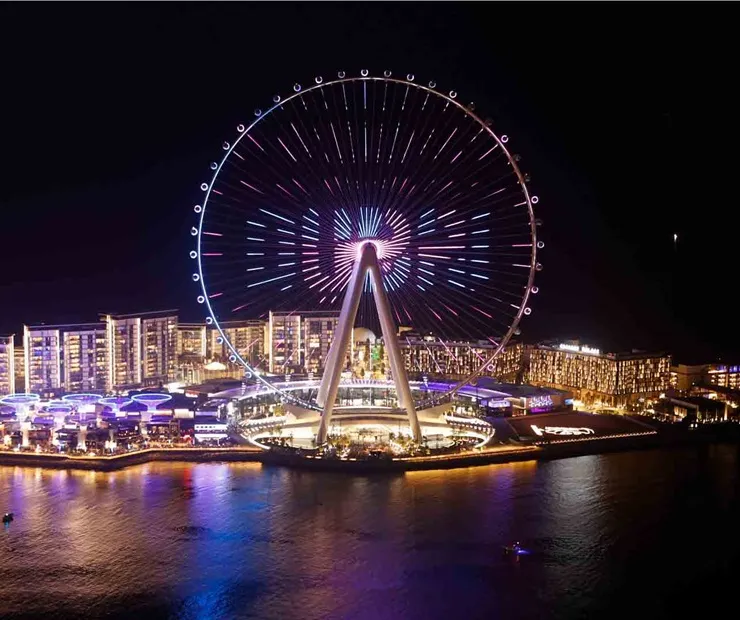
Introduction to Brand Activations in Dubai Brand activations are powerful marketing strategies designed to create interactive experiences that engage consumers with a brand. These initiatives go beyond traditional advertising, harnessing the full potential of experiential marketing to foster emotional connections with target audiences. Essentially, brand activations seek to bring a brand to life through thoughtful interactions, ultimately reinforcing brand identity while encouraging consumer loyalty. Dubai presents a unique environment for brand activations due to its multicultural population, lavish urban landscape, and status as a global tourism hub. The city attracts millions of visitors annually, providing businesses with ample opportunities to reach a diverse audience. This dynamic market is characterized by its blend of tradition and modernity, offering brands a chance to create meaningful experiences that resonate with both locals and tourists. The city’s iconic landmarks, such as the Burj Khalifa and the Palm Jumeirah, serve as striking backdrops for experiential marketing campaigns, significantly enhancing brand visibility. Furthermore, the bustling atmosphere of Dubai’s markets, from the traditional souks to luxury shopping centers, allows brands to engage with consumers in lively settings. By utilizing interactive installations, live performances, and immersive experiences, companies can capture the attention of passersby and create buzz around their products or services. As the market in Dubai continues to evolve, businesses can leverage technology and innovative marketing techniques to make their brand activations even more compelling. Overall, brand activations in Dubai not only provide an avenue for enhancing consumer engagement but also contribute to the overall effectiveness of marketing strategies in reaching diverse audiences. The Dubai Mall: The Heart of Retail Experience The Dubai Mall stands as one of the most iconic retail destinations in the world, offering an unparalleled setting for eye-catching brand activations. With an average foot traffic exceeding 80 million visitors annually, the mall serves as a vibrant hub for diverse consumer demographics. This immense flow of potential customers creates an exceptional opportunity for brands seeking to engage and captivate their target audience. Immersed in luxury, The Dubai Mall is renowned for its opulent atmosphere and its wide variety of high-end retail stores. This prestigious ambiance aligns with high-profile brand activations, enabling companies to elevate their visibility and reinforce their premium positioning. Activations at this location can benefit immensely from the presence of affluent shoppers who are keen on unique experiences, thus making The Dubai Mall an ideal backdrop for innovative marketing strategies. Successful brand activations, such as the immersive Disney-themed experiences and dynamic fashion shows, illustrate how well the mall facilitates memorable engagements. These initiatives not only leveraged the high visibility of the mall but also utilized its attractions, such as the Dubai Aquarium and the Olympic-sized ice rink, to forge deeper connections with consumers. Such attractions can add an engaging layer to brand narratives, allowing activations to transcend traditional methods and capture the imagination of visitors. Additionally, the mall’s diverse visitor demographic enables brands to curate engaging experiences that resonate with various cultural backgrounds and interests. By adapting activations to appeal to both local residents and international tourists, brands can maximize reach and impact. The Dubai Mall serves as more than just a shopping center; it is a strategic platform for brands aiming to create interactive and engaging experiences that leave a lasting impression. Burj Khalifa: Elevating Brand Presence to New Heights As the tallest building in the world, the Burj Khalifa stands as an iconic centerpiece of Dubai’s skyline and a premier venue for eye-catching brand activations. Not only does it embody architectural innovation, but it also serves as a powerful symbol for businesses looking to enhance their brand presence. The unique opportunities presented by this landmark can propel marketing efforts to new heights, making it an ideal setting for memorable campaigns. One of the most remarkable possibilities for brand activations at the Burj Khalifa involves spectacular light shows, creating a vivid spectacle against the night sky. Brands can leverage this visual appeal by integrating their logos and messages into the display, ensuring that audiences experience a captivating performance that associates their brand with this architectural marvel. Moreover, drone displays can heighten engagement and create a dynamic, interactive experience for viewers below. Combining technology with creativity, brands can wow spectators from all angles, establishing a strong and lasting impression. Projection mapping is another innovative strategy utilized at the Burj Khalifa. By transforming the building’s façade into a canvas for storytelling, brands have a unique platform to narrate their values and products through stunning visuals. This technique has been previously employed by numerous corporations, which have successfully harnessed the building’s monumental presence to amplify their message. Noteworthy campaigns include light displays that synchronized with seasonal celebrations, demonstrating the versatility of brand activations at this landmark. Associating a brand with the Burj Khalifa not only boosts visibility but also capitalizes on the structure’s global recognition. This affiliation can enhance credibility and attractiveness, positioning the brand favorably in the eyes of both local and international audiences. Embracing the Burj Khalifa for brand activations signifies a bold commitment to innovation and quality, ultimately elevating brand presence in a highly competitive marketplace. Global Village: A Cultural Melting Pot for Brand Activations Global Village stands as a prominent venue in Dubai, renowned for its vibrant and multicultural environment, attracting a diverse audience from around the globe. This annual cultural festival combines entertainment, shopping, and dining, making it an ideal location for brand activations aiming to engage with multicultural consumers. The diverse demographic present at Global Village allows brands to strategically position themselves to appeal to a wide array of nationalities, tapping into various cultural preferences and trends. One effective way for brands to engage audiences at Global Village is through themed pavilions, each representing different countries and cultures. This format not only enhances the visitor experience but also allows brands to create immersive environments that resonate with specific consumer segments. By designing activations that reflect cultural aspects, brands can foster deeper connections with attendees, translating emotion into brand loyalty. Additionally, interactive experiences such as workshops, product demonstrations,
The Power of Live Brand Activations in a Digital Age

Introduction to Brand Activations In the evolving landscape of marketing, brand activations have emerged as a vital strategy for businesses aiming to engage consumers meaningfully. Brand activation encompasses a variety of tactics and experiences designed to create a direct interaction between a brand and its target audience. Unlike traditional advertising, which often relies on passive consumption, brand activations are interactive and immersive, fostering a more profound connection with consumers. At its core, brand activation aims to generate memorable experiences that resonate with individuals, prompting them to form emotional connections with the brand. These experiences can take various forms, from experiential events and pop-up installations to digital campaigns and social media interactions. The key is to create environments where consumers can engage directly, allowing for a two-way dialogue that enhances brand recall and loyalty. Brands that successfully implement activation strategies leverage storytelling and experiential marketing to convey their messages. By inviting consumers to participate in unique experiences, brands can personalize their offerings, ensuring that consumers feel seen and valued. This approach not only enhances consumer engagement but also encourages sharing across social platforms, further amplifying brand visibility and reach. In summary, brand activations are essential in fostering meaningful connections with consumers, transforming traditional marketing approaches into engaging experiences that resonate on a deeper level. The Shift from Traditional Marketing to Live Experiences In recent years, the marketing landscape has experienced a significant transformation as brands shift from traditional marketing strategies to more immersive and engaging live experiences. This transition is largely driven by the rapid growth of digital media and the evolving expectations of consumers. Traditional methods, such as print advertisements and television commercials, are often perceived as one-sided and impersonal. In contrast, contemporary consumers are increasingly favoring brands that prioritize interaction and participation. Experiential marketing has emerged as a vital component in this new paradigm. It focuses on creating memorable encounters that deepen the emotional connection between a brand and its audience. Live brand activations, which are tangible manifestations of this approach, allow businesses to engage consumers in dynamic ways, fostering a sense of community and belonging. By immersing participants in unique experiences, these activations enable brands to communicate their values and stories more effectively than traditional marketing ever could. The impact of social media on consumer behavior cannot be overlooked. Today, an increasing number of people document and share their experiences online, giving rise to the phenomenon of “experience-sharing.” This trend amplifies the reach of live brand activations as participants become brand ambassadors in their social circles. Consequently, brands can now connect with wider audiences in real-time, generating excitement and buzz that enhances visibility and engagement. Furthermore, the rise of virtual and augmented reality technologies has expanded the possibilities for experiential marketing. These innovations allow brands to blend physical and digital experiences, creating stunning environments that captivate consumers. As consumers continue to seek authentic interactions in a digital age, brands must adapt their strategies to include more live experiences, thus enhancing their relevance and resonance in today’s marketplace. Why Live Brand Activations Matter In an era dominated by digital interactions, the significance of live brand activations remains paramount. These immersive experiences offer a distinctive platform for brands to connect with their target audiences on a personal level. By engaging consumers in real time, live activations foster emotional connections that are often lost in virtual communication. This strong engagement enhances brand loyalty, as consumers are more likely to remember and feel positively toward a brand that has provided a memorable experience. The psychological effects of participating in live brand activations are profound. Engaging in shared experiences can evoke stronger emotional reactions than passive interactions, such as viewing an advertisement online. These events transform consumers from passive observers into active participants, allowing them to form a tangible relationship with the brand. This transformation not only drives immediate engagement but also cultivates long-term loyalty, as consumers feel a sense of belonging and connection that goes beyond conventional marketing approaches. Additionally, live brand activations create opportunities for shareable content that can extend the reach of the brand well beyond the confines of the event. Attendees often document their experiences on social media platforms, producing user-generated content that amplifies the brand’s visibility. This organic promotion can inspire others to engage, creating a ripple effect that far surpasses traditional advertising methods. The content generated during these activations often resonates with a broader audience because it is perceived as authentic and relatable, further solidifying the brand’s position in the market. Ultimately, live brand activations serve as an essential tool in a brand’s marketing strategy. By cultivating emotional connections, fostering loyalty, and generating shareable content, these activations significantly enhance the brand’s outreach and engagement capabilities. It is imperative for brands to recognize and capitalize on the unique advantages that live interactions offer in our increasingly digital world. Examples of Successful Live Brand Activations In the rapidly evolving landscape of marketing, live brand activations have emerged as powerful tools for companies seeking to enhance their visibility and engage consumers in meaningful ways. Numerous brands have successfully executed live events that not only captured attention but also fostered genuine connections with their audiences. One notable example is the Red Bull Stratos project. This groundbreaking initiative involved Felix Baumgartner’s record-breaking freefall from the stratosphere, which was streamed live and inspired millions worldwide. The event not only solidified Red Bull’s positioning as an innovator but also reignited conversations about the brand’s adventurous spirit, garnering massive media coverage and engagement on various platforms. Another compelling case is the annual Coachella music festival, which brands have leveraged to create immersive experiences that resonate with music lovers. Notably, the H&M flagship store’s interactive pop-up featured activities that involved celebrity appearances, exclusive merchandise, and social media campaigns, dramatically enhancing brand engagement. By aligning itself with a culturally significant event, H&M adeptly linked its identity to the music and arts scene, creating a memorable experience that significantly elevated brand visibility. Furthermore, Nike’s “Breaking2” campaign exemplifies the integration of physical events and digital engagement. This initiative
How Experiential Marketing Can Transform Your Brand in Dubai

Introduction to Experiential Marketing Experiential marketing represents a dynamic approach to brand promotion that goes beyond conveying information through traditional advertising methods. It emphasizes creating immersive experiences that actively engage consumers, fostering a deeper emotional connection with the brand. Unlike conventional marketing strategies, which often focus on compelling messages through television commercials, radio spots, or print ads, experiential marketing is about offering consumers firsthand interaction and involvement. This approach allows individuals to experience a brand in a compelling and memorable way. At its core, experiential marketing turns consumers into participants rather than passive observers. Events, interactive installations, and hands-on product demonstrations are just a few examples of how brands can facilitate this engagement. By inviting consumers to interact with their products or services, brands can cultivate a sense of belonging and loyalty. This approach significantly contrasts with traditional marketing, primarily focused on one-way communication, where brands deliver a message and expect consumers to absorb it without interaction. This marketing strategy is particularly effective in a market like Dubai, where consumers are eager for unique experiences that set brands apart. In a bustling metropolis renowned for its innovation and diversity, experiential marketing creates opportunities for businesses to capture attention and foster lasting relationships with consumers. Brands can harness local culture and trends, offering tailored experiences that resonate with the target audience, enhancing the likelihood of retention and word-of-mouth promotion. In essence, experiential marketing transforms the customer’s role from simple buyers to active participants in the brand story, thereby establishing stronger emotional ties. The subsequent sections will delve deeper into the various methodologies and advantages of implementing experiential marketing in today’s competitive landscape. The Unique Market Landscape of Dubai Dubai, known for its rapid growth and modern architecture, presents a unique market landscape influenced by several key factors. At the core of its demographic diversity is a multicultural population that comprises more than 200 nationalities. This diversity has cultivated a vibrant cultural scene, which significantly impacts consumer behavior and preferences. As a result, brands looking to establish a foothold in Dubai must acknowledge this cultural breadth and embrace inclusivity in their marketing strategies. The city’s tourism-driven economy further enhances its market uniqueness. With millions of visitors flocking to Dubai annually, brands have the opportunity to capture the attention of not only local residents but also a transient international audience. This dynamic creates an environment where experiential marketing can thrive. By engaging consumers through immersive experiences, brands can create memorable interactions that resonate with both tourists and locals alike, amplifying their brand visibility and appeal in this bustling metropolis. Moreover, the high consumer expectations in Dubai cannot be overlooked. Dubai’s residents and visitors expect luxury, innovation, and exceptional service, making it imperative for brands to elevate their marketing approaches. Traditional marketing methods may not suffice; instead, leveraging experiential marketing techniques allows brands to meet and even exceed these expectations. By tailoring experiences that are unique to local culture and trends, businesses can forge deeper connections with their audience, enhancing brand loyalty and recognition. Brands that successfully navigate the challenges of this unique market can create impactful experiences that not only captivate consumers but also contribute to their overall brand transformation. Therefore, understanding the multifaceted landscape of Dubai is crucial for brands looking to make a lasting impression in this vibrant and competitive market. Benefits of Experiential Marketing for Brands Experiential marketing, a strategy that immerses consumers in a brand experience, offers numerous advantages that can significantly enhance brand perception and visibility. One of the primary benefits is increased brand awareness. Engaging experiences allow consumers to interact directly with a brand, leading to memorable encounters that drive recognition and recall. When brands create compelling and immersive experiences, they not only capture attention but also foster a deeper connection with their audience. Another significant advantage of experiential marketing is the enhancement of customer loyalty. When consumers participate in interactive brand experiences, they are more likely to develop an emotional attachment to the brand. This emotional bond can lead to repeat purchases, as consumers feel valued and understood by the brand. Furthermore, such interactions often nurture a community spirit among consumers, encouraging them to share their experiences and further solidifying their loyalty. Additionally, experiential marketing promotes enhanced consumer interactions, allowing brands to gather invaluable insights into customer preferences and behaviors. This direct feedback can inform future marketing strategies and product developments, ensuring that brands remain relevant and responsive to their audience’s needs. Engaging customers in such meaningful ways enables brands to create an ongoing dialogue that is beneficial for both parties. Moreover, the potential for viral marketing through social sharing plays a crucial role in the effectiveness of experiential marketing. Experiences that resonate with consumers often get shared on social media platforms, generating organic buzz and extending brand reach far beyond initial participants. This kind of word-of-mouth promotion can significantly amplify marketing efforts and attract new customers, resulting in a broader and more engaged audience. Successful Examples of Experiential Marketing in Dubai Dubai, known for its innovative spirit and vibrant business landscape, has served as a fertile ground for experiential marketing campaigns. These campaigns not only engage consumers but also create memorable brand experiences that resonate with the audience. One notable example is the Burj Khalifa Light Show by Emaar Properties, which transformed the iconic skyscraper into a canvas that celebrated special occasions and festivals. By incorporating projection mapping technology, Emaar crafted a visual spectacle that drew crowds, effectively enhancing brand visibility and affinity while positioning it as a leader in luxury real estate. Such immersive experiences connect consumers emotionally, fostering a sense of community around the brand. Another exemplary campaign is the Dubai Shopping Festival (DSF) initiated by the Dubai Festivals and Retail Establishment. This month-long event showcases experiential marketing at its finest, integrating entertainment, concerts, cultural events, and retail promotions. Retailers engage customers with interactive installations and in-store experiences that enrich their shopping journey. The festival not only boosts sales but also elevates the overall shopping experience, integrating various consumer touchpoints into a
The Ultimate Guide to Planning Your Dream Destination Wedding in Dubai
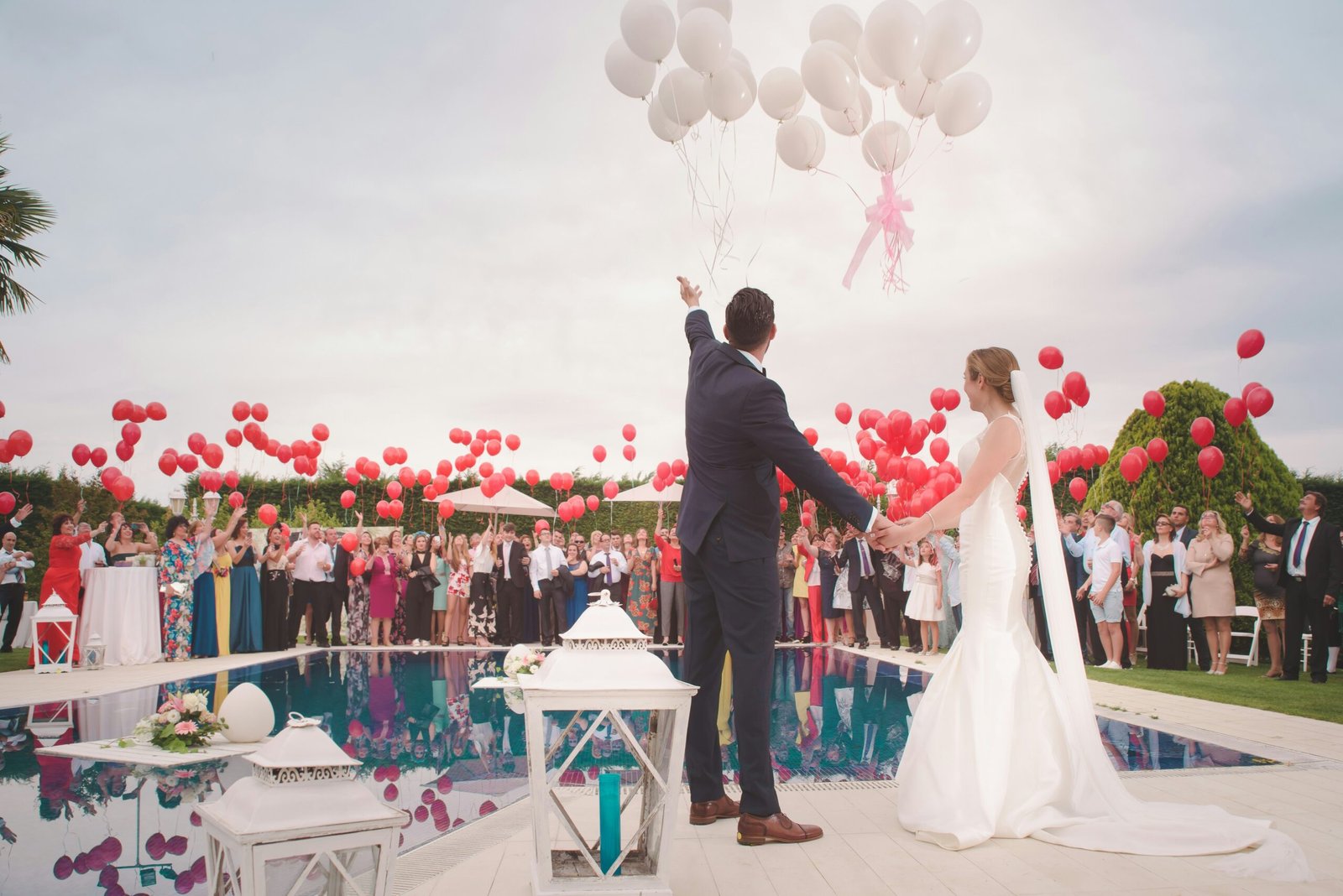
Introduction to Destination Weddings in Dubai Destination weddings have gained popularity in recent years as couples seek to create unique and memorable experiences for themselves and their guests. Among various locations worldwide, Dubai stands out as a premier destination, attracting couples with its vibrant culture, stunning landscapes, and luxurious venues. The allure of Dubai is further enhanced by its commitment to exceptional hospitality, making it an ideal backdrop for couples looking to celebrate their union in a truly remarkable setting. One of the key factors that make Dubai an attractive choice for destination weddings is its impressive array of luxury hotels and resorts. Ranging from iconic landmarks such as the Burj Al Arab to the serene retreats found on the palm fringed coastlines, couples can find diverse options that cater to different tastes and preferences. These venues often provide comprehensive wedding packages that include professional planning services, allowing couples to enjoy a stress-free experience as they prepare for their big day. Dubai’s vibrant cultural landscape is also a significant part of its appeal for destination weddings. The city beautifully blends tradition and modernity, offering couples a chance to incorporate unique elements into their weddings, such as traditional Emirati customs or contemporary designs. Additionally, the backdrop of the desert landscape, coupled with stunning views of the coastline, creates an idyllic setting for breathtaking photographs that couples will cherish for years to come. Ultimately, the combination of luxurious venues, rich culture, and unparalleled hospitality make Dubai a sought-after location for destination weddings. Whether it is a lavish celebration or an intimate gathering, couples will find that Dubai is equipped to meet their dreams with unparalleled style and grace. Choosing the Perfect Venue Selecting the ideal venue is paramount when planning a destination wedding in Dubai. The venue sets the tone for the celebration, influences guest experience, and serves as a backdrop for the cherished memories to be made. Dubai offers a diverse range of venue options, each providing a unique atmosphere, which makes it essential to assess individual preferences and requirements before making a choice. Beach resorts are a popular choice for many couples wishing to exchange vows by the sea. The pristine sands and breathtaking waterfront views create a romantic ambiance that is hard to match. Venues such as the One&Only Royal Mirage or the Jumeirah Beach Hotel provide beautiful settings, complete with opulent facilities and dedicated wedding planning teams to assist throughout the process. On the other hand, luxury hotels present a sophisticated alternative, combining convenience with lavish amenities. Iconic establishments like the Burj Al Arab or the Atlantis, The Palm offer exclusive packages for weddings, ensuring that every detail meets high standards. Couples should evaluate these venues based on their guest capacity, as some locations cater to intimate gatherings while others can accommodate grand celebrations. For those looking to infuse their ceremony with culture, Dubai’s traditional sites can serve as extraordinary venues. Locations such as the Dubai Opera or heritage sites in Al Fahidi neighborhood provide a blend of historical significance and architectural beauty. These venues can offer a distinctive charm but may require meticulous planning regarding logistics and permits due to their nature. In assessing venues, couples should consider not only the aesthetic appeal but also available amenities such as catering services, accommodation options for guests, and accessibility. Moreover, it is advisable to visit potential locations in person when feasible, as this firsthand experience can significantly inform decision-making. Ultimately, choosing the right venue will enhance the overall experience of a destination wedding and contribute to the seamless execution of the couple’s dream celebration in Dubai. Setting a Budget and Staying Within It Planning a destination wedding in Dubai can feel overwhelming, particularly when it comes to establishing a budget. A well-defined budget is crucial to ensure that you not only accommodate your wishes but also remain financially secure while planning your dream wedding. Begin by outlining your overall wedding cost and what it entails. Common expenses include venue hire, catering, decorations, photographer, and entertainment, which together can accumulate rapidly. When determining your budget, prioritize what is most important to you and your partner. For instance, if the venue and the wedding experience take precedence, you may want to allocate a higher portion of your budget towards these areas. Conversely, you might consider cutting costs on elements such as wedding favors or transportation that may not hold the same significance. Research local prices and services in Dubai to create a realistic financial plan that reflects both your preferences and the scope of your event. To save costs without sacrificing quality, consider a few strategic options. Booking during the off-peak season can significantly reduce venue fees, catering costs, and even hotel accommodations. Additionally, leveraging local vendors for services such as catering and floral arrangements can result in more affordable offerings compared to international or high-end options. Another possibility is to limit the guest list; a smaller, more intimate gathering can not only enhance the overall experience but also lower many associated costs. Finally, track your expenses diligently throughout the planning process to avoid overspending. Utilize budgeting apps or spreadsheets to maintain an organized overview of your finances. By taking the time to set a budget and understanding where your funds will go, you can navigate the planning of your Dubai wedding efficiently, ensuring your dream day is both memorable and financially sensible. Legal Requirements and Documentation Planning a wedding in Dubai involves navigating specific legal requirements and documentation to ensure that the marriage is legally recognized. The process can vary depending on whether the couple is residents or tourists, thus it is essential to understand the requirements pertinent to your situation. For residents of Dubai, the couple must apply for a marriage license from the Islamic Affairs and Charitable Activities Department (IACAD) if both spouses are Muslim. For non-Muslims, the documentation is processed through one of the foreign embassy or consulate offices in Dubai. The marriage license usually requires a valid passport, residency visa, and a no-objection certificate (NOC)
Luxury Wedding Trends in Dubai: What’s Hot in 2025

Introduction to Luxury Weddings in Dubai The luxury wedding scene in Dubai has evolved dramatically over the years, transforming the city into one of the most sought-after destinations for extravagant nuptials. This cosmopolitan hub, renowned for its opulence and grandeur, combines rich cultural heritage with modern amenities, attracting couples from around the globe looking to celebrate their special day in style. With its luxurious hotels, stunning venues, and world-class services, Dubai has positioned itself as a premier location for couples wanting to create an unforgettable wedding experience. As the global wedding market continues to expand, Dubai has emerged not only as a significant player but also as an influential trendsetter in the luxury wedding category. The city’s unique blend of traditional Arabic hospitality and contemporary luxury offers a diverse array of options for couples to personalize their ceremonies, ensuring that each occasion reflects their unique love story and vision. From breathtaking beachside ceremonies to grand celebrations in opulent ballrooms, the possibilities in Dubai are virtually limitless. Looking ahead to 2025, several key trends are anticipated to shape the luxury wedding landscape in Dubai. Couples are increasingly leaning towards bespoke experiences, focusing on customization and personalization to make their ceremonies distinctive. Sustainability is also expected to play a significant role, with couples opting for eco-friendly options in both their wedding attire and decor. Moreover, technological innovations such as virtual reality and augmented reality are set to enhance the planning process, enabling couples to visualize their weddings like never before. As we delve deeper into the luxurious trends shaping Dubai’s weddings in 2025, it is essential to understand the significance of this vibrant city in the broader global wedding sector. Dubai’s allure will undoubtedly continue to captivate couples seeking to celebrate their love amid its renowned luxury. Sustainable Luxury: Eco-Friendly Wedding Trends In recent years, the concept of sustainable luxury has gained significant traction within the wedding industry, particularly in Dubai, where opulence meets environmental consciousness. Couples are increasingly opting for eco-friendly wedding trends that not only showcase their elegance but also reflect their commitment to the planet. By integrating sustainable practices into their celebrations, couples are setting a new standard for luxury weddings in 2025. One of the primary ways couples are embracing sustainability is through the use of sustainable materials for their wedding decor. This includes choosing ethically sourced fabrics for attire, biodegradable tableware for the reception, and upcycled decorations that add a unique touch to the event. By prioritizing environmentally friendly options, couples can curate a lavish aesthetic without compromising their ethical values. Furthermore, the use of local florals has become a cornerstone of eco-friendly wedding planning. By selecting flowers that are native to the region, couples not only reduce their carbon footprint associated with transportation but also contribute to the support of local farmers and artisans. These local blooms enhance the beauty of the wedding while promoting biodiversity and sustainability. Another noteworthy trend is the adoption of zero-waste catering practices. Many luxury catering services in Dubai are now offering options that minimize food waste, such as creating customized menus that utilize seasonal and locally sourced ingredients. This not only ensures freshness but also allows couples to provide a high-quality dining experience for their guests, all while being mindful of waste production. Ultimately, the integration of sustainable practices into luxury weddings in Dubai demonstrates that it is indeed possible to achieve elegance and sophistication while honoring the environment. As this trend continues to evolve, couples are expected to find new and innovative ways to create unforgettable celebrations that are both luxurious and eco-friendly. Destination Weddings: The Allure of Dubai’s Unique Venues Dubai is increasingly becoming a preferred destination for couples seeking luxurious and unforgettable wedding experiences. Known for its opulence and diverse range of scenic backdrops, the city offers an array of wedding venues that excel in elegance and sophistication. Among the most sought-after locations are iconic hotels that boast remarkable architecture, lavish ballrooms, and stunning views of the city skyline or the Arabian Gulf. One standout venue is the Burj Al Arab, an emblem of luxury hotel status in Dubai. Its distinctive sail-shaped silhouette provides an impressive backdrop for weddings, while the interiors showcase lavish decor and unparalleled service. Couples can choose from a variety of wedding packages that incorporate bespoke catering options, floral arrangements, and luxury transportation. Similarly, Atlantis, The Palm offers a unique underwater-themed experience, allowing couples to say “I do” surrounded by vibrant marine life, adding a whimsical touch to their special day. In addition to these iconic hotels, private resorts are gaining popularity among couples looking for exclusivity. Resorts such as the One&Only Reethi Rah provide idyllic beachfront settings with private villas and unparalleled service. This intimate atmosphere allows couples to have a more personalized experience, from custom menus to tailor-made ceremonies. The allure of beachfront weddings also calls to couples; Dubai’s pristine shores offer breathtaking sunsets and a romantic ambiance that is hard to replicate. Furthermore, unique venues such as historic palaces or desert resorts enhance the appeal of destination weddings in Dubai. These locations often provide a seamless blend of cultural richness and contemporary luxury, creating an unforgettable experience for couples and their guests. Overall, Dubai’s luxurious venues, with their unique characteristics and exclusivity, make them the ideal choice for couples seeking a memorable wedding celebration amidst the splendor of this vibrant city. The Rise of Personalization and Customization As couples increasingly seek distinctive experiences that authentically represent their love stories, the trend of personalization and customization in luxury weddings has gained significant momentum in recent years. In Dubai, a city renowned for its opulence, this trend manifests itself in numerous creative forms, allowing couples to tailor every aspect of their big day to align with their unique personalities and styles. The desire for a personalized wedding reflects a shift towards making the event not just a celebration, but a true reflection of the couple’s journey together. From bespoke invitations designed to mirror the couple’s love story to customized decor elements