Production Management Essentials for Events in Dubai
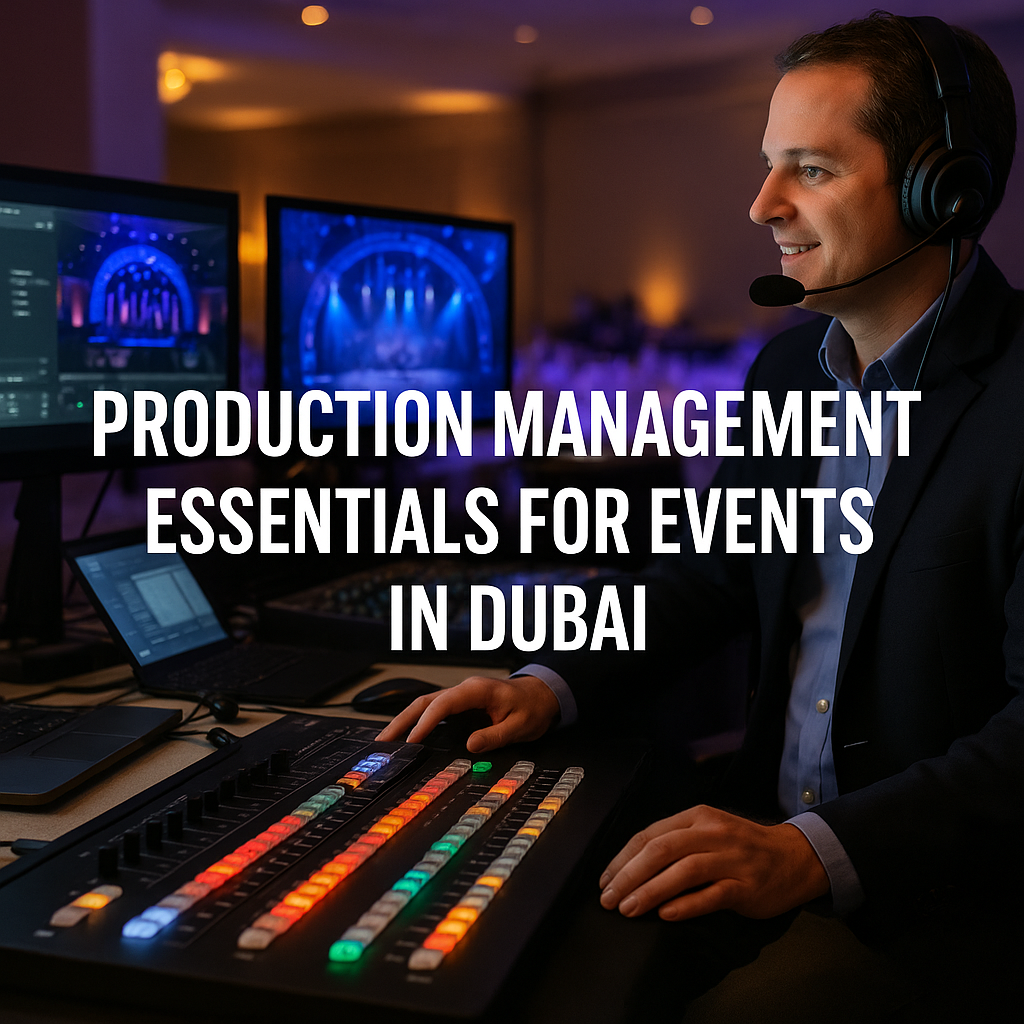
Introduction to Event Production Management Event production management encompasses the planning, coordination, and execution of events, ensuring that each aspect aligns with the envisioned goals and standards. In a vibrant and rapidly evolving city like Dubai, known for its diverse cultural landscape and booming business events, effective event production management is paramount. This multidisciplinary approach integrates project management, logistics, marketing, and stakeholder engagement to create memorable experiences that resonate with attendees. One of the principal significance of event production management lies in its ability to streamline processes and enhance the overall event experience. By meticulously orchestrating the many moving parts—such as venue selection, technology integration, and audience engagement strategies—event production managers can transform initial concepts into successful, impactful events. In the context of Dubai, where the expectations for events are exceptionally high, mastering these elements is vital for attracting local and international participants. Moreover, the cultural nuances of Dubai necessitate a tailored approach to event production management. Understanding the local traditions, preferences, and business etiquettes can significantly elevate an event’s efficacy. Professional event managers not only navigate the logistical hurdles but also harmonize the content and format of events with Dubai’s rich heritage and contemporary values. This alignment increases engagement and fosters a sense of community, ensuring that attendees leave with a positive and memorable experience. Ultimately, the success of any event in Dubai hinges upon the principles of effective production management. It underpins the entire lifecycle of an event, from inception to completion, solidifying its role as an essential component in the evolving landscape of event planning in the city. As the event industry in Dubai continues to flourish, so too will the significance of proficient event production management. Understanding the Dubai Events Landscape The events landscape in Dubai is distinguished by its vibrant diversity and a dynamic array of offerings that cater to various audiences. This multifaceted environment encompasses corporate events, extravagant weddings, and large-scale festivals, each necessitating careful planning and execution. With a burgeoning economy and a growing reputation as a global business hub, corporate events are predominant, attracting multinational companies and organizations looking to make a significant impact. These events often range from seminars and conferences to product launches and networking gatherings, showcasing the latest innovations and fostering professional relationships. Weddings in Dubai are exceptionally grand and luxurious, reflecting the cultural richness and heritage of the region. Often characterized by elaborate decorations and numerous guests, wedding planning in Dubai requires a deep understanding of both local customs and contemporary trends. This duality influences everything from venue selection to catering services, ensuring that each event resonates with cultural significance while appealing to modern sensibilities. The city offers a variety of exquisite locations, including lavish hotels and stunning outdoor venues, allowing couples to create memorable celebrations. Additionally, the festival scene in Dubai is particularly robust, featuring events like the Dubai Shopping Festival and Art Dubai, which draw thousands of visitors locally and internationally. These festivals not only promote cultural exchange but also significantly boost tourism, contributing to the local economy. Seasonality plays a critical role in this landscape, as event planners must navigate hot summers and cooler winters, often scheduling outdoor events accordingly. Moreover, legal considerations such as permits and regulations must be adhered to in order to ensure compliance with Dubai’s laws and cultural norms, making a thorough understanding of the local landscape essential for successful event production. Essential Skills for Effective Production Managers In the dynamic landscape of event production in Dubai, effective production managers must possess a specific skill set that allows for the successful execution of diverse events. Among these essential skills, project management stands as a cornerstone. A proficient production manager must be able to oversee the entire lifecycle of an event, from planning and coordination to execution and post-event evaluation. Utilizing project management tools and methodologies ensures that timelines are adhered to, tasks are delegated appropriately, and goals are met efficiently. Another critical skill is budgeting. Production managers are tasked with creating comprehensive budgets that encompass all aspects of the event, including venue costs, equipment rental, staffing, and marketing expenses. The ability to devise a budget that aligns with the client’s vision while also maintaining financial viability is paramount. In Dubai’s competitive market, savvy negotiation with vendors and suppliers is also essential to secure the best possible rates without compromising quality. Time management cannot be overstated in the realm of event production. Production managers must juggle multiple responsibilities simultaneously, often under tight deadlines. The skill to prioritize tasks effectively not only aids in the smooth progression of event preparations but also serves to alleviate stress among team members, fostering a more productive environment. Moreover, communication plays a vital role in the success of an event. A production manager must be adept at conveying clear and precise information to various stakeholders, including clients, team members, and vendors. This competency helps in building strong relationships and ensuring that everyone involved understands their roles and responsibilities. For instance, during a large-scale corporate event in Dubai, clear communication channels can prevent misunderstandings that lead to costly delays. Lastly, negotiation skills are crucial for handling contracts and resolving conflicts that may arise during the planning and execution phases. A production manager equipped with strong negotiation abilities can effectively advocate for their team and clients, ultimately leading to more favorable outcomes. Key Stakeholders in Event Production Event production is a multifaceted endeavor that typically involves several key stakeholders, each playing a crucial role in ensuring the success of an event in Dubai. Understanding their functions and contributions is integral for effective stakeholder management. The foremost stakeholders include clients, vendors, sponsors, and local authorities, each with distinct responsibilities. Clients are often the initiators of the event, defining the objectives, budget, and overall vision. Their expectations significantly impact the planning process, requiring clear communication and understanding of their needs. Engaging with clients throughout the event lifecycle ensures their vision is translated into reality, fostering satisfaction and potential for future collaborations. Vendors, ranging from caterers to audiovisual services, also play
Virtual vs. In-Person Corporate Events: What Works Best in 2025

Introduction to the Evolving Landscape of Corporate Events The landscape of corporate events has undergone a significant transformation in the wake of the COVID-19 pandemic. Organizations have had to re-evaluate their approaches to hosting events, leading to a surge in both virtual and in-person formats. The necessity for adaptability has never been more pronounced, as businesses strive to connect with their audiences in innovative ways while addressing health and safety concerns. In the aftermath of the pandemic, the traditional concept of corporate gatherings has been disrupted. Virtual corporate events have gained traction, offering a flexible and potentially more cost-effective alternative. These online experiences have been designed to engage attendees through interactive features such as live polls, Q&A sessions, and networking opportunities, making them an appealing choice for many organizations. As technology continues to evolve, the capabilities of virtual platforms have expanded, elevating the standard for digital corporate events. However, despite the technological advancements, the desire for personal connection remains strong. In-person corporate events, such as conferences and workshops, foster relationships and encourage meaningful networking. Many professionals value the physical presence of their peers, which can lead to enhanced collaboration and stronger business ties. Thus, the debate shifts towards striking a balance that caters to both preferences, with many companies opting for a hybrid model that combines the strengths of virtual and in-person experiences. As we look towards 2025, understanding the unique strengths and weaknesses of both formats is crucial. Organizations must consider their specific objectives, audience preferences, and industry standards when selecting the appropriate event type. This evolving landscape requires corporate leaders to stay informed and make strategic decisions to effectively engage their stakeholders, ensuring that every event serves its intended purpose. Understanding Virtual Corporate Events Virtual corporate events have gained significant traction in recent years, especially in light of recent global events that necessitated a shift from traditional in-person gatherings to digital platforms. One of the primary advantages of virtual corporate events is their enhanced accessibility. Participants from various geographical locations can join without the need for extensive travel, thereby eliminating associated costs and logistical challenges. This accessibility not only broadens attendance but also increases inclusivity, allowing a wider audience to engage in discussions, workshops, and keynotes regardless of their physical location. In terms of cost-effectiveness, virtual corporate events often present significant savings for organizations. Expenses related to venue rental, catering, and printed materials can be greatly reduced or completely eliminated. Additionally, many modern tools and platforms offer tiered pricing structures or even free options, enabling companies of various sizes to host events that fit their budgets. This economic advantage does not diminish the quality of experience, as many virtual event solutions are designed to facilitate high levels of engagement and interactivity. The global reach of virtual events is another compelling factor. Organizations can engage participants from around the world, fostering international collaborations and networking opportunities that would have been difficult to achieve in a physical setting. The advent of various technologies, including webinars, live streaming, and interactive platforms like Zoom and Microsoft Teams, has transformed the way organizations communicate and connect with their audiences. Notable examples of successful virtual events include major tech companies hosting global product launches and interactive conferences that engage thousands of attendees simultaneously. These innovations are setting new standards in how corporate events are structured and executed. As organizations continue to adapt and refine their digital strategies, the importance of understanding the dynamics of virtual corporate events will only grow. The advantages they offer, in terms of accessibility, cost-effectiveness, and global reach, highlight the potential for these events to reshape corporate culture in 2025 and beyond. The Value of In-Person Corporate Events In-person corporate events play a pivotal role in fostering connections and enhancing business relationships. The unique value they offer cannot be replicated through virtual formats, as face-to-face interactions encourage sincere communication and engagement. Networking opportunities are significantly heightened when individuals can meet in person, facilitating the development of professional relationships that may lead to future collaborations or partnerships. The spontaneous conversations that occur during breaks or informal gatherings at these events often prove to be invaluable, revealing insights and ideas that may not surface in a structured online environment. Moreover, the importance of personal connections in the business world cannot be understated. Attending an in-person event allows participants to read non-verbal cues and nuances in communication, leading to a more profound understanding of their peers. These interactions create a level of trust and familiarity that virtual meetings struggle to achieve. Industry experts assert that these connections can enhance team cohesion, motivate employees, and foster a sense of community that bolsters overall company culture. Immersive experiences are another significant advantage of live events. Participants can engage deeply with presentations, demos, and workshops, often leading to greater retention of information and more effective learning. The tactile experience of materials and the ability to ask questions in real-time further enrich the educational value of in-person gatherings. This sensory engagement is crucial in a corporate landscape increasingly focused on innovation and creativity. Ultimately, the irreplaceable aspects of in-person corporate events position them as valuable tools for companies looking to build stronger networks, enhance personal connections, and create engaging, immersive experiences that contribute to professional development. Key Differences Between Virtual and In-Person Events The landscape of corporate events has evolved significantly, particularly with the advancements in technology and shifts in audience preferences. As we approach 2025, it is essential to delineate the primary distinctions between virtual and in-person corporate events, focusing on audience engagement, logistical considerations, and cost implications. First and foremost, audience engagement varies considerably between the two formats. In-person events traditionally foster personal interactions, allowing attendees to network face-to-face, build rapport, and participate in interactive sessions. This tactile engagement can enhance the overall experience, yielding a greater emotional connection to the event’s objectives. On the other hand, virtual events leverage technology to engage attendees through innovative tools such as live polls, breakout rooms, and chat functions. Although these elements can enhance participation, a significant
How to Plan a High-Impact Corporate Event in Dubai
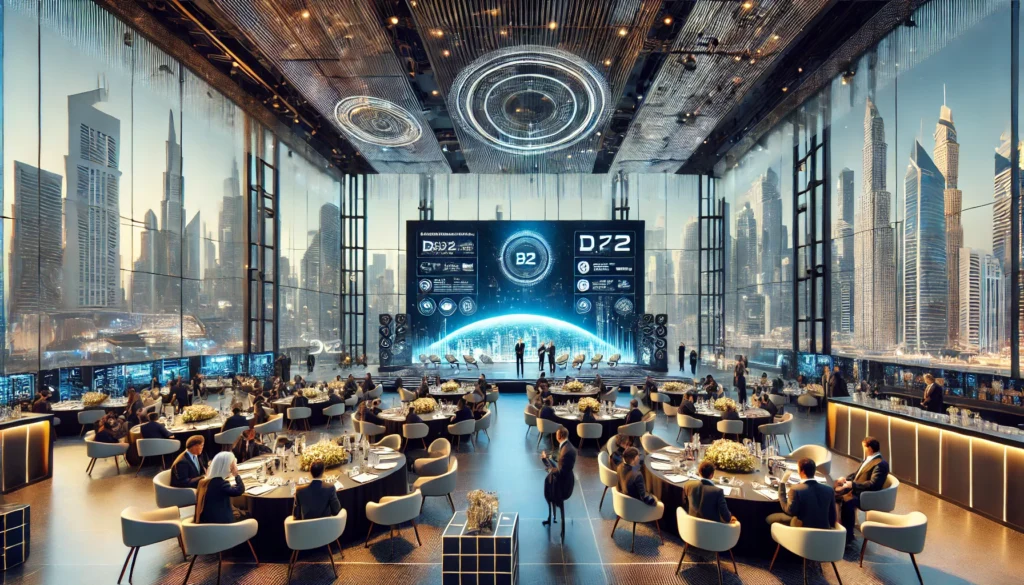
Understanding the Purpose of Your Event When planning a high-impact corporate event in Dubai, clearly defining the objectives of the event is crucial. The purpose of the gathering can vary significantly, whether it’s intended for networking, team building, a product launch, or a celebration. Each type of event serves a different function and can impact the overall experience for attendees, making it essential to align the event’s purpose with broader company goals. For instance, if the objective is networking, then designing an interactive agenda that facilitates connections between guests will be a priority. This might involve incorporating breakout sessions or informal discussions that encourage dialogue. On the other hand, if the focus is on team building, activities should promote collaboration and strengthen interpersonal relationships. This alignment of purpose with desired outcomes not only enhances guest experience but also serves to reinforce the company’s mission and brand identity. Moreover, understanding the audience is vital when determining the purpose of the event. Tailoring the experience to suit the specific interests and needs of participants will ensure increased engagement. For instance, if the target audience is industry professionals, the event might focus on presenting cutting-edge innovations or trends. Conversely, a celebration aimed at employees might include recognition of achievements and fostering a sense of community within the organization. Ensuring that the purpose of the corporate event is clearly articulated will allow for more effective planning and execution. This can include setting measurable goals, such as the number of connections made during a networking event or feedback ratings at a product launch. By connecting the event’s purpose to tangible outcomes and company objectives, planners can create memorable experiences that resonate beyond the day of the event. Researching the Dubai Market and Venue Options Understanding the nuances of the Dubai event market is crucial for successfully planning a corporate event in the city. Dubai stands as a global hub for business and tourism, offering a diverse array of venues suitable for various corporate functions. The first step in this process is to define the theme and objectives of your event, as these will dictate the ideal venue. Are you aiming for a formal conference, an informal networking event, or a product launch? The type of event significantly influences your choice of location. Dubai boasts a range of venues that cater to different styles and preferences. Luxurious hotels, such as the Burj Al Arab or Atlantis, The Palm, are often favored for their exquisite facilities and impeccable service. These venues not only provide stunning backdrops but also offer comprehensive event services, including catering and audio-visual support. On the other hand, unconventional spaces such as art galleries or desert resorts can create unique experiences that reflect the vibrancy of the city. When selecting a venue, there are several important factors to consider. Capacity is crucial; ensure that the venue can comfortably accommodate your guest list without feeling overcrowded. Additionally, location plays a significant role in accessibility for attendees. Consider venues that are near major transportation links, such as the Dubai Metro or key hotels, which will facilitate ease of travel for participants. Furthermore, evaluate the facilities provided by the venue, such as breakout rooms, Wi-Fi availability, and parking options, as these elements contribute to the overall success of your event. By thoroughly researching the Dubai market and various venue options, planners can make informed decisions that align with their corporate objectives, ultimately leading to a high-impact event that leaves a lasting impression on attendees. Creating a Budget and Timeline When planning a high-impact corporate event in Dubai, establishing a realistic budget is one of the most crucial steps. A well-defined budget not only helps in efficient financial management but also ensures a smooth execution of the event. Begin by determining the various components that contribute to the overall cost. These may include venue rental, catering services, entertainment, marketing initiatives, and miscellaneous expenses such as decorations and technology rentals. To create an effective budget, it is essential to conduct thorough research on the costs associated with each element. For instance, venue prices in Dubai may vary significantly based on location and amenities. By obtaining quotes from multiple venues, you can compare and secure the best deal suited to your needs. Similarly, catering options should be assessed carefully, balancing quality and cost while considering dietary restrictions and guest preferences. Entertainment is another integral aspect of your event that can influence your budget. Whether you opt for live performances, speakers, or interactive experiences, allocating a suitable portion of your budget toward engaging entertainment can enhance the overall guest experience. Moreover, factoring in marketing costs, such as promotional materials and advertising, will help ensure that your event reaches a wide audience. Once the budget is in place, developing a clear timeline is essential for staying organized and ensuring that all tasks are completed promptly. Start by outlining key milestones, such as venue booking, vendor contracts, and marketing launches. Creating a comprehensive timeline helps in delegating responsibilities and keeping the planning team accountable. Additionally, consider incorporating buffer time for unexpected delays or complications, which can often arise in event planning. Ultimately, a well-structured budget coupled with an effective timeline will not only provide financial clarity but also create a polished and professional corporate event in Dubai that meets your objectives. Designing an Engaging Event Experience When planning a high-impact corporate event in Dubai, emphasis must be placed on creating an engaging experience that captivates attendees from the outset. An interactive atmosphere not only stimulates participation but also fosters meaningful networking opportunities, which can amplify the success of the event. Effective programming is critical in achieving this goal. Incorporating keynote speakers who are industry leaders can serve as a significant draw. They can deliver thought-provoking insights and inspire attendees, thereby setting a positive tone for the event. In addition to keynote speeches, panel discussions can facilitate dynamic interactions among participants. These sessions allow for diverse perspectives, encouraging dialogue and engagement among attendees. Selecting moderators who are adept at stimulating discussion can enhance
Executing High-Profile Gala Dinners: The Celestine Event Approach

Introduction to Celestine Event Celestine Event is a distinguished name in the event planning industry, particularly renowned for orchestrating high-profile gala dinners. With a rich background that blends years of experience with a keen understanding of luxury event execution, Celestine Event has established itself as a leader in curating memorable, sophisticated gatherings for esteemed clientele. Founded on the principles of excellence, creativity, and meticulous attention to detail, the organization aims to elevate the standard of gala dinner events, making each occasion not just an event but an unforgettable experience. The mission of Celestine Event is clear: to provide flawless event planning and execution that exceeds client expectations. This commitment is reflected in their personalized approach, which begins with a thorough understanding of each client’s unique vision. By working closely with clients, Celestine Event tailors every element, from venue selection to menu creation, ensuring that each gala dinner embodies the client’s ethos while also leaving a lasting impression on guests. At the heart of Celestine Event’s vision lies a dedication to innovation and sustainability. Recognizing the evolving nature of the event planning landscape, the team continuously seeks out fresh ideas and sustainable practices that enrich the guest experience while also being mindful of environmental impact. This forward-thinking approach not only sets them apart in the industry but also positions them as a vanguard of modern event planning. In many ways, the uniqueness of Celestine Event’s approach can be attributed to its deep-rooted belief that every gala dinner should tell a story. From thematic decor to synchronized programming, no detail is overlooked. As we delve further into the intricacies of how Celestine Event executes high-profile gala dinners, one can discern the passion and dedication that permeates through every event they manage. Understanding High-Profile Gala Dinners High-profile gala dinners are sophisticated events characterized by a formal atmosphere, exclusive guest lists, and often elaborate themes or purposes. Typically organized by corporations, nonprofits, or influential individuals, these gatherings serve various functions, including fundraising, brand promotion, networking, and celebration of achievements. As a key aspect of the social calendar for elite circles, high-profile gala dinners can range from charity balls and award ceremonies to corporate anniversaries and cultural festivities. The significance of high-profile gala dinners is multifaceted. Firstly, they present an opportunity for brands and organizations to visibly demonstrate their values, commitment to social causes, and engagement with the community. For individuals, these events offer a platform to establish presence and credibility within their respective industries, making them crucial for personal branding. The expectation surrounding such dinners is that they will not only be attended by celebrities, influential figures, and decision-makers but will also feature impeccable organization, exquisite culinary experiences, and captivating entertainment. Planning a high-profile gala dinner involves meticulous attention to detail. From venue selection, which often leans towards luxurious locations, to the catering choice, which features gourmet cuisine and fine wines, every element is carefully curated to align with the event’s objectives and the brand’s image. Additionally, a well-conceived guest list often underscores the prestige of the event, as the presence of esteemed attendees lends an air of exclusivity. On top of this, there are rising expectations regarding innovative themes and experiential activities that captivate the audience’s attention throughout the evening. In this context, understanding the multifaceted nature of high-profile gala dinners provides a comprehensive foundation for executing successful events. By recognizing their importance and the inherent expectations, organizers can create memorable experiences that resonate with attendees and reflect positively on the hosting entities. The Planning Process: From Concept to Execution The planning process for high-profile gala dinners is a meticulous endeavor that requires a strategic approach, ensuring every detail aligns with the client’s vision and objectives. At Celestine Event, this journey initiates with the initial concept development, where our team collaborates closely with clients to understand their goals, audience, and desired impact. Through brainstorming sessions, we identify a theme that resonates with the target demographic, forming the foundation for the gala’s atmosphere and overall experience. Once the conceptual framework is established, the next critical step involves comprehensive budgeting. This phase entails itemizing every aspect of the event—from venue rental and catering to entertainment and décor. Our financial planning is designed to maximize value while staying true to the client’s expectations. By creating a detailed budget, we can allocate resources effectively and make informed decisions, ultimately ensuring that the gala remains within financial parameters. Following the budgeting process, venue booking is an essential focus. The choice of location can significantly influence the event’s success, impacting guest experience and logistical flow. Our team diligently researches and visits potential venues, considering factors such as accessibility, capacity, and ambiance. After securing a venue that aligns with the gala’s theme and objectives, we shift our attention to logistics, including catering selections, audiovisual needs, and seating arrangements. Throughout this planning stage, effective communication remains pivotal. Maintaining a constant dialogue with all stakeholders ensures alignment and allows for adjustments as needed. With the groundwork firmly in place, Celestine Event transitions into the execution phase, where the pre-conceived plans come to fruition in a seamless and impactful manner. This strategic planning process underscores our commitment to delivering exceptional gala dinners that leave lasting impressions. Creative Themes and Experiences At Celestine Event, the execution of high-profile gala dinners transcends mere dining experiences; it is an art form that interweaves creativity with strategic planning. The success of any gala hinges on its theme, which lays the foundation for every subsequent detail. A well-conceived theme enhances the ambiance and resonates with guests, creating a cohesive experience that lingers long after the event concludes. The team at Celestine Event understands that an imaginative theme can transform even the most conventional spaces into extraordinary settings, setting the stage for memorable occasions. Curation begins with identifying a theme that aligns with the client’s vision and audience expectations. Once established, the creative process unfolds through meticulous decoration. For instance, the rich tones and ornate details of a “Masquerade Ball” theme invite attendees to don elegant attire while