Top 10 BTL Marketing & Event Strategies to Grow Your Brand
In a highly competitive business environment, standing out requires more than just online ads and generic promotions. Brands are increasingly turning to BTL (Below-The-Line) marketing a targeted, experience-driven approach that connects directly with audiences, builds trust, and leaves a lasting impression. Unlike ATL (Above-The-Line) marketing, which focuses on mass communication through television, radio, and billboards, BTL marketing strategies are about personal engagement—allowing your brand to interact with customers on a one-to-one basis. Events, activations, product samplings, and experiential campaigns are at the heart of BTL success. Here, we explore the Top 10 BTL Marketing & Event Strategies you can use to grow your brand. 1. Experiential Marketing Events Keyword focus: experiential marketing ideas, consumer engagement tactics Experiential marketing goes beyond traditional promotion it immerses customers in a brand experience. This could be an interactive installation, a themed pop-up shop, or a live brand showcase.For example, a fashion brand might create an interactive runway where customers can try augmented reality (AR) styling before purchasing. Pro tips: 2. Brand Activation Campaigns Keyword focus: brand activation strategies, promotional event ideas Brand activations are high-impact, short-term marketing efforts that create buzz and encourage immediate engagement. Whether it’s a free sampling drive, a street performance, or a surprise giveaway, the aim is to spark conversation and drive action. Pro tips: 3. Product Sampling & Demonstrations Keyword focus: below the line marketing, product demonstration events If your product quality is your biggest strength, let your audience experience it first-hand. Sampling events allow customers to try products before purchase, reducing buying hesitation. Pro tips: 4. Trade Shows & Exhibitions Keyword focus: event marketing campaigns, corporate event marketing Trade shows and exhibitions are a hub for networking, showcasing, and building credibility. They attract targeted audiences already interested in your industry. Pro tips: 5. Guerrilla Marketing Keyword focus: guerrilla marketing, BTL advertising techniques Guerrilla marketing uses unexpected, unconventional tactics to create a strong brand impression. Examples include flash mobs, street art, or creative public installations. Pro tips: 6. Pop-Up Stores & Mobile Brand Units Keyword focus: pop-up events, experiential marketing ideas Pop-up stores are temporary retail spaces that offer exclusive, time-limited experiences. Mobile brand units (vans or kiosks) take the brand experience directly to your customers. Pro tips: 7. Corporate Social Responsibility (CSR) Events Keyword focus: CSR event marketing, community engagement events CSR-driven BTL strategies create positive brand associations while contributing to community welfare. Examples include charity runs, environmental campaigns, and donation drives. Pro tips: 8. Roadshows Keyword focus: BTL marketing strategies, roadshow events Roadshows involve taking your brand on the road to meet customers across different locations. They are ideal for product launches, awareness campaigns, and lead generation. Pro tips: 9. Influencer-Led Live Events Keyword focus: influencer event marketing, consumer engagement tactics Influencers can amplify BTL campaigns by bringing their audience to your event. This could be a live meet-and-greet, a collaborative workshop, or an exclusive launch party. Pro tips: 10. Sponsorship of Niche Events Keyword focus: sponsorship marketing, brand visibility events Sponsoring niche events allows you to tap into highly targeted communities. For example, a fitness brand might sponsor a marathon, while a tech brand might support a hackathon. Pro tips: How to Maximise ROI from BTL Marketing Strategies To make the most of BTL activities: BTL marketing is all about personal connections and immersive experiences. By implementing these top 10 strategies, your brand can build loyalty, attract new customers, and stand out in a competitive market. FAQs on BTL Marketing & Event Strategies Q1: What is BTL marketing?BTL (Below-The-Line) marketing focuses on direct, targeted engagement with customers through experiential events, activations, and personalised campaigns. Q2: How is BTL marketing different from ATL marketing?ATL marketing targets mass audiences through TV, radio, and billboards, while BTL marketing is more targeted, interactive, and experiential. Q3: Which industries benefit most from BTL marketing?Retail, FMCG, hospitality, automotive, technology, and lifestyle brands often see strong results from BTL strategies. Q4: How do you measure the success of a BTL campaign?Metrics include leads generated, sales conversions, event attendance, customer feedback, and social media engagement. Q5: What budget is ideal for BTL campaigns?Budgets vary based on campaign scale, location, and objectives, but even small brands can run impactful BTL events with creative, cost-effective ideas.
Dubai’s Best Locations for Eye-Catching Brand Activations
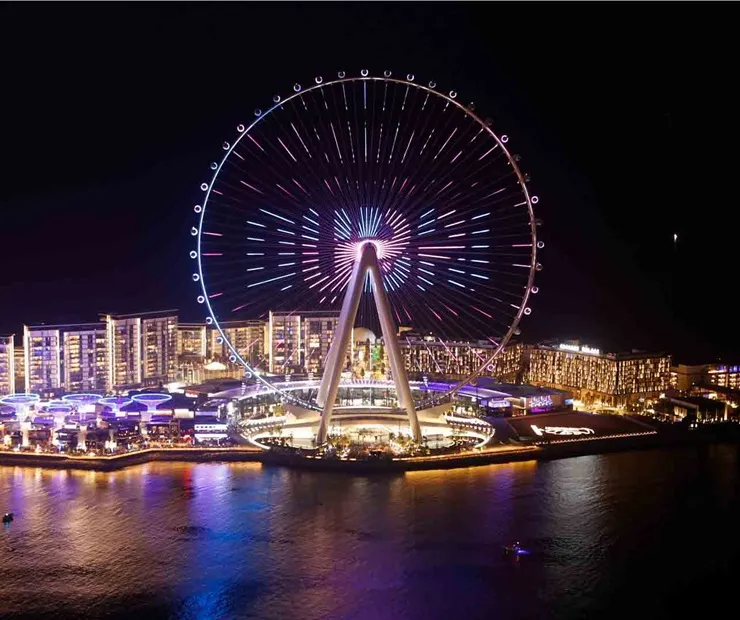
Introduction to Brand Activations in Dubai Brand activations are powerful marketing strategies designed to create interactive experiences that engage consumers with a brand. These initiatives go beyond traditional advertising, harnessing the full potential of experiential marketing to foster emotional connections with target audiences. Essentially, brand activations seek to bring a brand to life through thoughtful interactions, ultimately reinforcing brand identity while encouraging consumer loyalty. Dubai presents a unique environment for brand activations due to its multicultural population, lavish urban landscape, and status as a global tourism hub. The city attracts millions of visitors annually, providing businesses with ample opportunities to reach a diverse audience. This dynamic market is characterized by its blend of tradition and modernity, offering brands a chance to create meaningful experiences that resonate with both locals and tourists. The city’s iconic landmarks, such as the Burj Khalifa and the Palm Jumeirah, serve as striking backdrops for experiential marketing campaigns, significantly enhancing brand visibility. Furthermore, the bustling atmosphere of Dubai’s markets, from the traditional souks to luxury shopping centers, allows brands to engage with consumers in lively settings. By utilizing interactive installations, live performances, and immersive experiences, companies can capture the attention of passersby and create buzz around their products or services. As the market in Dubai continues to evolve, businesses can leverage technology and innovative marketing techniques to make their brand activations even more compelling. Overall, brand activations in Dubai not only provide an avenue for enhancing consumer engagement but also contribute to the overall effectiveness of marketing strategies in reaching diverse audiences. The Dubai Mall: The Heart of Retail Experience The Dubai Mall stands as one of the most iconic retail destinations in the world, offering an unparalleled setting for eye-catching brand activations. With an average foot traffic exceeding 80 million visitors annually, the mall serves as a vibrant hub for diverse consumer demographics. This immense flow of potential customers creates an exceptional opportunity for brands seeking to engage and captivate their target audience. Immersed in luxury, The Dubai Mall is renowned for its opulent atmosphere and its wide variety of high-end retail stores. This prestigious ambiance aligns with high-profile brand activations, enabling companies to elevate their visibility and reinforce their premium positioning. Activations at this location can benefit immensely from the presence of affluent shoppers who are keen on unique experiences, thus making The Dubai Mall an ideal backdrop for innovative marketing strategies. Successful brand activations, such as the immersive Disney-themed experiences and dynamic fashion shows, illustrate how well the mall facilitates memorable engagements. These initiatives not only leveraged the high visibility of the mall but also utilized its attractions, such as the Dubai Aquarium and the Olympic-sized ice rink, to forge deeper connections with consumers. Such attractions can add an engaging layer to brand narratives, allowing activations to transcend traditional methods and capture the imagination of visitors. Additionally, the mall’s diverse visitor demographic enables brands to curate engaging experiences that resonate with various cultural backgrounds and interests. By adapting activations to appeal to both local residents and international tourists, brands can maximize reach and impact. The Dubai Mall serves as more than just a shopping center; it is a strategic platform for brands aiming to create interactive and engaging experiences that leave a lasting impression. Burj Khalifa: Elevating Brand Presence to New Heights As the tallest building in the world, the Burj Khalifa stands as an iconic centerpiece of Dubai’s skyline and a premier venue for eye-catching brand activations. Not only does it embody architectural innovation, but it also serves as a powerful symbol for businesses looking to enhance their brand presence. The unique opportunities presented by this landmark can propel marketing efforts to new heights, making it an ideal setting for memorable campaigns. One of the most remarkable possibilities for brand activations at the Burj Khalifa involves spectacular light shows, creating a vivid spectacle against the night sky. Brands can leverage this visual appeal by integrating their logos and messages into the display, ensuring that audiences experience a captivating performance that associates their brand with this architectural marvel. Moreover, drone displays can heighten engagement and create a dynamic, interactive experience for viewers below. Combining technology with creativity, brands can wow spectators from all angles, establishing a strong and lasting impression. Projection mapping is another innovative strategy utilized at the Burj Khalifa. By transforming the building’s façade into a canvas for storytelling, brands have a unique platform to narrate their values and products through stunning visuals. This technique has been previously employed by numerous corporations, which have successfully harnessed the building’s monumental presence to amplify their message. Noteworthy campaigns include light displays that synchronized with seasonal celebrations, demonstrating the versatility of brand activations at this landmark. Associating a brand with the Burj Khalifa not only boosts visibility but also capitalizes on the structure’s global recognition. This affiliation can enhance credibility and attractiveness, positioning the brand favorably in the eyes of both local and international audiences. Embracing the Burj Khalifa for brand activations signifies a bold commitment to innovation and quality, ultimately elevating brand presence in a highly competitive marketplace. Global Village: A Cultural Melting Pot for Brand Activations Global Village stands as a prominent venue in Dubai, renowned for its vibrant and multicultural environment, attracting a diverse audience from around the globe. This annual cultural festival combines entertainment, shopping, and dining, making it an ideal location for brand activations aiming to engage with multicultural consumers. The diverse demographic present at Global Village allows brands to strategically position themselves to appeal to a wide array of nationalities, tapping into various cultural preferences and trends. One effective way for brands to engage audiences at Global Village is through themed pavilions, each representing different countries and cultures. This format not only enhances the visitor experience but also allows brands to create immersive environments that resonate with specific consumer segments. By designing activations that reflect cultural aspects, brands can foster deeper connections with attendees, translating emotion into brand loyalty. Additionally, interactive experiences such as workshops, product demonstrations,
The Power of Live Brand Activations in a Digital Age

Introduction to Brand Activations In the evolving landscape of marketing, brand activations have emerged as a vital strategy for businesses aiming to engage consumers meaningfully. Brand activation encompasses a variety of tactics and experiences designed to create a direct interaction between a brand and its target audience. Unlike traditional advertising, which often relies on passive consumption, brand activations are interactive and immersive, fostering a more profound connection with consumers. At its core, brand activation aims to generate memorable experiences that resonate with individuals, prompting them to form emotional connections with the brand. These experiences can take various forms, from experiential events and pop-up installations to digital campaigns and social media interactions. The key is to create environments where consumers can engage directly, allowing for a two-way dialogue that enhances brand recall and loyalty. Brands that successfully implement activation strategies leverage storytelling and experiential marketing to convey their messages. By inviting consumers to participate in unique experiences, brands can personalize their offerings, ensuring that consumers feel seen and valued. This approach not only enhances consumer engagement but also encourages sharing across social platforms, further amplifying brand visibility and reach. In summary, brand activations are essential in fostering meaningful connections with consumers, transforming traditional marketing approaches into engaging experiences that resonate on a deeper level. The Shift from Traditional Marketing to Live Experiences In recent years, the marketing landscape has experienced a significant transformation as brands shift from traditional marketing strategies to more immersive and engaging live experiences. This transition is largely driven by the rapid growth of digital media and the evolving expectations of consumers. Traditional methods, such as print advertisements and television commercials, are often perceived as one-sided and impersonal. In contrast, contemporary consumers are increasingly favoring brands that prioritize interaction and participation. Experiential marketing has emerged as a vital component in this new paradigm. It focuses on creating memorable encounters that deepen the emotional connection between a brand and its audience. Live brand activations, which are tangible manifestations of this approach, allow businesses to engage consumers in dynamic ways, fostering a sense of community and belonging. By immersing participants in unique experiences, these activations enable brands to communicate their values and stories more effectively than traditional marketing ever could. The impact of social media on consumer behavior cannot be overlooked. Today, an increasing number of people document and share their experiences online, giving rise to the phenomenon of “experience-sharing.” This trend amplifies the reach of live brand activations as participants become brand ambassadors in their social circles. Consequently, brands can now connect with wider audiences in real-time, generating excitement and buzz that enhances visibility and engagement. Furthermore, the rise of virtual and augmented reality technologies has expanded the possibilities for experiential marketing. These innovations allow brands to blend physical and digital experiences, creating stunning environments that captivate consumers. As consumers continue to seek authentic interactions in a digital age, brands must adapt their strategies to include more live experiences, thus enhancing their relevance and resonance in today’s marketplace. Why Live Brand Activations Matter In an era dominated by digital interactions, the significance of live brand activations remains paramount. These immersive experiences offer a distinctive platform for brands to connect with their target audiences on a personal level. By engaging consumers in real time, live activations foster emotional connections that are often lost in virtual communication. This strong engagement enhances brand loyalty, as consumers are more likely to remember and feel positively toward a brand that has provided a memorable experience. The psychological effects of participating in live brand activations are profound. Engaging in shared experiences can evoke stronger emotional reactions than passive interactions, such as viewing an advertisement online. These events transform consumers from passive observers into active participants, allowing them to form a tangible relationship with the brand. This transformation not only drives immediate engagement but also cultivates long-term loyalty, as consumers feel a sense of belonging and connection that goes beyond conventional marketing approaches. Additionally, live brand activations create opportunities for shareable content that can extend the reach of the brand well beyond the confines of the event. Attendees often document their experiences on social media platforms, producing user-generated content that amplifies the brand’s visibility. This organic promotion can inspire others to engage, creating a ripple effect that far surpasses traditional advertising methods. The content generated during these activations often resonates with a broader audience because it is perceived as authentic and relatable, further solidifying the brand’s position in the market. Ultimately, live brand activations serve as an essential tool in a brand’s marketing strategy. By cultivating emotional connections, fostering loyalty, and generating shareable content, these activations significantly enhance the brand’s outreach and engagement capabilities. It is imperative for brands to recognize and capitalize on the unique advantages that live interactions offer in our increasingly digital world. Examples of Successful Live Brand Activations In the rapidly evolving landscape of marketing, live brand activations have emerged as powerful tools for companies seeking to enhance their visibility and engage consumers in meaningful ways. Numerous brands have successfully executed live events that not only captured attention but also fostered genuine connections with their audiences. One notable example is the Red Bull Stratos project. This groundbreaking initiative involved Felix Baumgartner’s record-breaking freefall from the stratosphere, which was streamed live and inspired millions worldwide. The event not only solidified Red Bull’s positioning as an innovator but also reignited conversations about the brand’s adventurous spirit, garnering massive media coverage and engagement on various platforms. Another compelling case is the annual Coachella music festival, which brands have leveraged to create immersive experiences that resonate with music lovers. Notably, the H&M flagship store’s interactive pop-up featured activities that involved celebrity appearances, exclusive merchandise, and social media campaigns, dramatically enhancing brand engagement. By aligning itself with a culturally significant event, H&M adeptly linked its identity to the music and arts scene, creating a memorable experience that significantly elevated brand visibility. Furthermore, Nike’s “Breaking2” campaign exemplifies the integration of physical events and digital engagement. This initiative
How Experiential Marketing Can Transform Your Brand in Dubai

Introduction to Experiential Marketing Experiential marketing represents a dynamic approach to brand promotion that goes beyond conveying information through traditional advertising methods. It emphasizes creating immersive experiences that actively engage consumers, fostering a deeper emotional connection with the brand. Unlike conventional marketing strategies, which often focus on compelling messages through television commercials, radio spots, or print ads, experiential marketing is about offering consumers firsthand interaction and involvement. This approach allows individuals to experience a brand in a compelling and memorable way. At its core, experiential marketing turns consumers into participants rather than passive observers. Events, interactive installations, and hands-on product demonstrations are just a few examples of how brands can facilitate this engagement. By inviting consumers to interact with their products or services, brands can cultivate a sense of belonging and loyalty. This approach significantly contrasts with traditional marketing, primarily focused on one-way communication, where brands deliver a message and expect consumers to absorb it without interaction. This marketing strategy is particularly effective in a market like Dubai, where consumers are eager for unique experiences that set brands apart. In a bustling metropolis renowned for its innovation and diversity, experiential marketing creates opportunities for businesses to capture attention and foster lasting relationships with consumers. Brands can harness local culture and trends, offering tailored experiences that resonate with the target audience, enhancing the likelihood of retention and word-of-mouth promotion. In essence, experiential marketing transforms the customer’s role from simple buyers to active participants in the brand story, thereby establishing stronger emotional ties. The subsequent sections will delve deeper into the various methodologies and advantages of implementing experiential marketing in today’s competitive landscape. The Unique Market Landscape of Dubai Dubai, known for its rapid growth and modern architecture, presents a unique market landscape influenced by several key factors. At the core of its demographic diversity is a multicultural population that comprises more than 200 nationalities. This diversity has cultivated a vibrant cultural scene, which significantly impacts consumer behavior and preferences. As a result, brands looking to establish a foothold in Dubai must acknowledge this cultural breadth and embrace inclusivity in their marketing strategies. The city’s tourism-driven economy further enhances its market uniqueness. With millions of visitors flocking to Dubai annually, brands have the opportunity to capture the attention of not only local residents but also a transient international audience. This dynamic creates an environment where experiential marketing can thrive. By engaging consumers through immersive experiences, brands can create memorable interactions that resonate with both tourists and locals alike, amplifying their brand visibility and appeal in this bustling metropolis. Moreover, the high consumer expectations in Dubai cannot be overlooked. Dubai’s residents and visitors expect luxury, innovation, and exceptional service, making it imperative for brands to elevate their marketing approaches. Traditional marketing methods may not suffice; instead, leveraging experiential marketing techniques allows brands to meet and even exceed these expectations. By tailoring experiences that are unique to local culture and trends, businesses can forge deeper connections with their audience, enhancing brand loyalty and recognition. Brands that successfully navigate the challenges of this unique market can create impactful experiences that not only captivate consumers but also contribute to their overall brand transformation. Therefore, understanding the multifaceted landscape of Dubai is crucial for brands looking to make a lasting impression in this vibrant and competitive market. Benefits of Experiential Marketing for Brands Experiential marketing, a strategy that immerses consumers in a brand experience, offers numerous advantages that can significantly enhance brand perception and visibility. One of the primary benefits is increased brand awareness. Engaging experiences allow consumers to interact directly with a brand, leading to memorable encounters that drive recognition and recall. When brands create compelling and immersive experiences, they not only capture attention but also foster a deeper connection with their audience. Another significant advantage of experiential marketing is the enhancement of customer loyalty. When consumers participate in interactive brand experiences, they are more likely to develop an emotional attachment to the brand. This emotional bond can lead to repeat purchases, as consumers feel valued and understood by the brand. Furthermore, such interactions often nurture a community spirit among consumers, encouraging them to share their experiences and further solidifying their loyalty. Additionally, experiential marketing promotes enhanced consumer interactions, allowing brands to gather invaluable insights into customer preferences and behaviors. This direct feedback can inform future marketing strategies and product developments, ensuring that brands remain relevant and responsive to their audience’s needs. Engaging customers in such meaningful ways enables brands to create an ongoing dialogue that is beneficial for both parties. Moreover, the potential for viral marketing through social sharing plays a crucial role in the effectiveness of experiential marketing. Experiences that resonate with consumers often get shared on social media platforms, generating organic buzz and extending brand reach far beyond initial participants. This kind of word-of-mouth promotion can significantly amplify marketing efforts and attract new customers, resulting in a broader and more engaged audience. Successful Examples of Experiential Marketing in Dubai Dubai, known for its innovative spirit and vibrant business landscape, has served as a fertile ground for experiential marketing campaigns. These campaigns not only engage consumers but also create memorable brand experiences that resonate with the audience. One notable example is the Burj Khalifa Light Show by Emaar Properties, which transformed the iconic skyscraper into a canvas that celebrated special occasions and festivals. By incorporating projection mapping technology, Emaar crafted a visual spectacle that drew crowds, effectively enhancing brand visibility and affinity while positioning it as a leader in luxury real estate. Such immersive experiences connect consumers emotionally, fostering a sense of community around the brand. Another exemplary campaign is the Dubai Shopping Festival (DSF) initiated by the Dubai Festivals and Retail Establishment. This month-long event showcases experiential marketing at its finest, integrating entertainment, concerts, cultural events, and retail promotions. Retailers engage customers with interactive installations and in-store experiences that enrich their shopping journey. The festival not only boosts sales but also elevates the overall shopping experience, integrating various consumer touchpoints into a