The Role of Data Analytics in Event Success
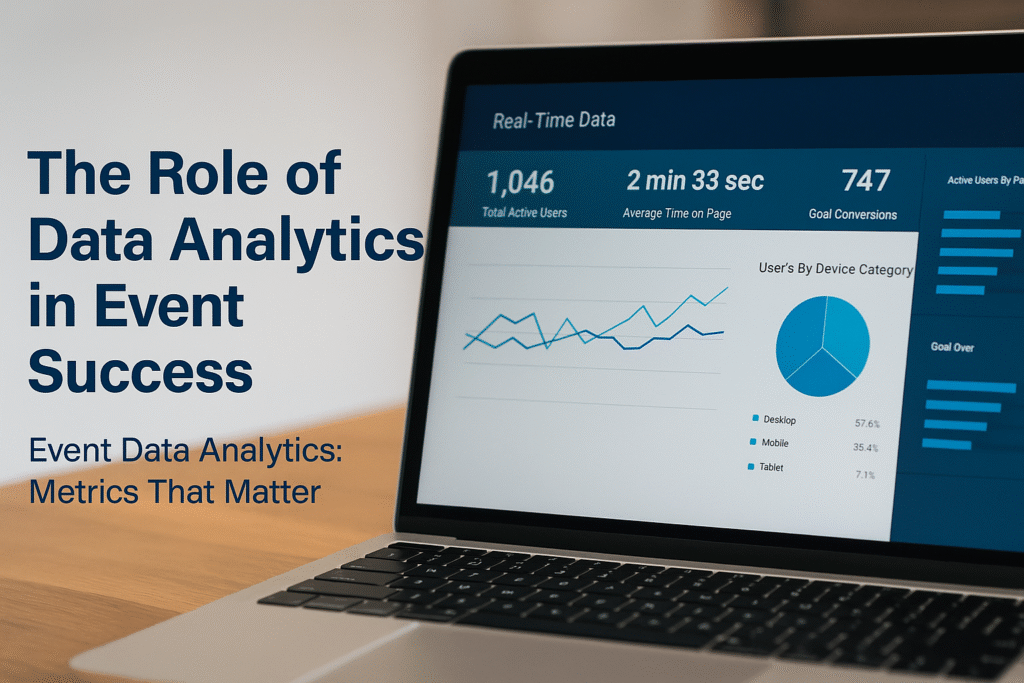
In the fast-paced world of events especially in competitive hubs like Dubai gut feelings are no longer enough. Data is now the most valuable asset when it comes to optimizing guest experiences, proving ROI, and ensuring operational excellence. Event data tracking in Dubai is redefining how planners and brands approach event success. From pre-event engagement metrics to on-site heat mapping and post-event sentiment analysis, every click, step, and interaction can now be measured. But what truly matters and how can you use it strategically? Why Data Matters in Modern Event Planning Event organizers are under pressure to demonstrate clear value. Whether it’s an international conference, brand activation, or luxury gala, stakeholders want answers to questions like: Data answers those questions. With the right systems in place, event professionals can track attendance, dwell time, engagement, lead generation, satisfaction, and spending patterns all in real time. What Event Data Can Be Tracked Here’s a breakdown of key event data points: Data Type Examples Pre-Event RSVP rates, email open/click rates, social impressions On-Site Check-in times, session attendance, badge scans, traffic flow Engagement App usage, live polls, Q&A submissions, gamification Post-Event Feedback scores, survey completion, NPS, follow-up clicks How Dubai Events Are Leveraging Data Analytics Dubai’s event scene is known for its innovation and scale. Leading planners are already incorporating: Real-world application: An international tech expo in Dubai used live session attendance data to switch breakout room allocations on the fly minimizing bottlenecks and improving guest satisfaction. Turning Insights into Action Collecting data is just the start. The real value lies in how you use it: Tools for Effective Event Data Tracking Some of the top tools that support event data tracking in Dubai include: When selecting a tool, ensure it integrates with your CRM, is GDPR-compliant, and offers real-time dashboards. Common Pitfalls in Event Analytics FAQs: Event Data Analytics in Dubai 1. What are the most important KPIs for tracking event success? It depends on the event, but common KPIs include: attendance rate, engagement levels (polls, Q&A, app use), session popularity, dwell time, and ROI per attendee. 2. How can I use data analytics for sponsor reporting? Show sponsor-specific metrics such as booth visits, badge scans, lead capture, and on-site dwell time. Data makes your sponsorship packages more valuable. 3. Is live data tracking expensive to implement? There are scalable solutions for different budgets. Even small events can use apps or RFID tags to collect valuable insights affordably. 4. How do I ensure privacy while tracking attendee data? Be transparent. Inform attendees during registration what data will be tracked and offer opt-outs where appropriate. Follow local and international privacy standards. 5. Can analytics improve future event planning? Yes analytics reveal which formats, timings, and channels work best, so each future event can be better informed and more strategic. In Dubai’s thriving events industry, data analytics has become a strategic advantage. From planning to execution and post-event reporting, the power to track, analyze, and optimize events is now in your hands. Event data tracking in Dubai is no longer a trend it’s a necessity. Embrace it, and your events will not only run smoother but also drive measurable, meaningful success.
2025 Audio-Visual Technology Trends for Dubai Conferences
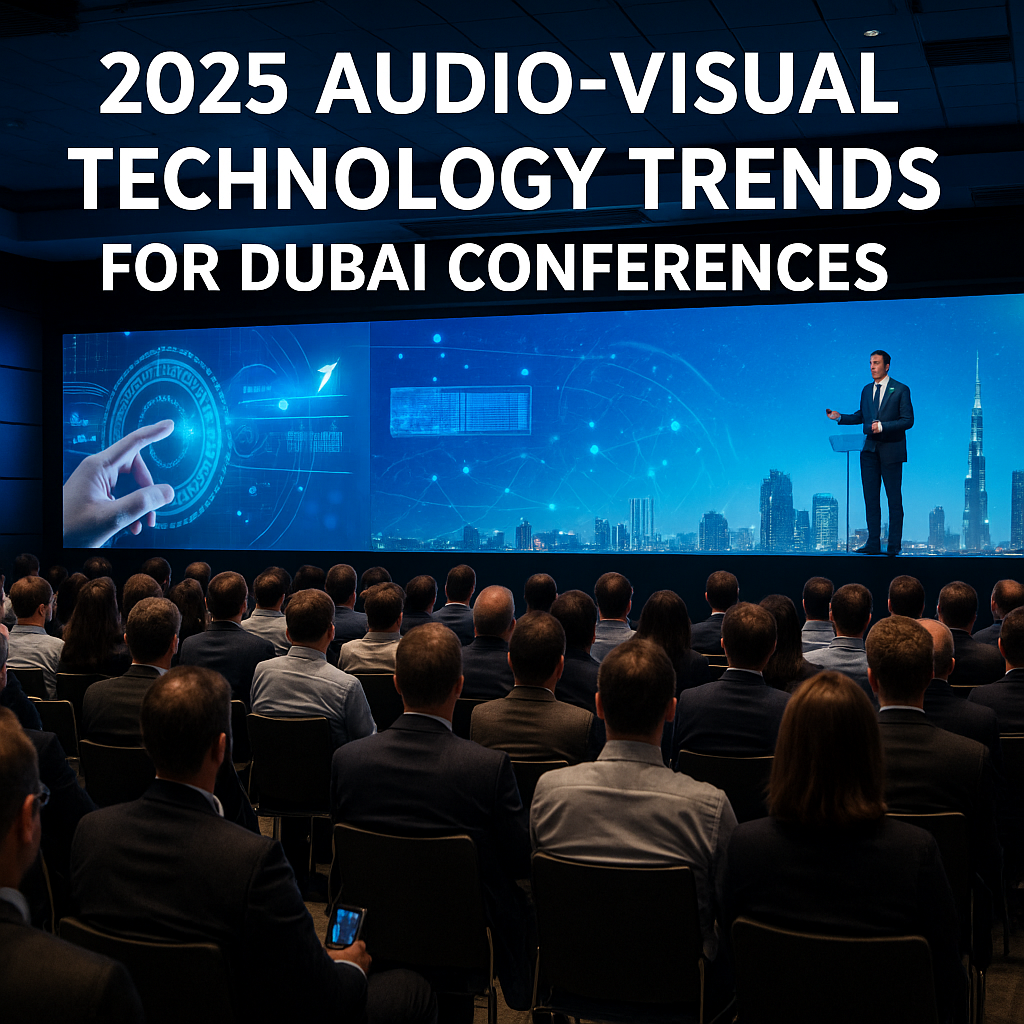
In the high-stakes world of business conferences, where impressions matter and engagement is king, Dubai continues to set the benchmark with cutting-edge audio-visual (AV) technology. With Expo City Dubai and venues like Dubai World Trade Centre serving as global hubs for innovation, the UAE’s most dynamic city is leveraging next-gen AV trends to transform the attendee experience. Here’s a deep dive into the top AV technology trends for 2025 shaping Dubai’s corporate event landscape: 1. Immersive LED Walls and 3D Projection Mapping The move from static backdrops to immersive LED displays and 3D projection mapping is redefining visual storytelling. Dubai’s tech-forward venues are incorporating curved LED video walls, motion-responsive visuals, and spatial projection to create dynamic environments that adapt in real time. These tools are perfect for product launches, keynote backdrops, and immersive brand activations—turning a typical stage into a living, breathing part of the presentation. 2. AI-Powered Camera Systems for Smart Filming With AI embedded in AV systems, camera tracking and auto-framing have reached new heights. AI-powered multi-cam systems follow presenters, adjust lighting on the fly, and provide seamless switching for hybrid conferences. This technology ensures flawless broadcasting and recording, essential for events streamed to global audiences or content repurposing across social platforms. 3. Extended Reality (XR) and Holographic Presentations XR—including AR, VR, and MR—has emerged as a headline-grabbing innovation in the Dubai event scene. In 2025, holographic keynote speakers and VR breakout sessions will be more commonplace, allowing event organizers to blend the physical and digital realms. Event producers can bring in virtual guests, simulate environments like future cityscapes, or even host parallel metaverse networking lounges. 4. Advanced Wireless Audio and Acoustic Engineering Clear, immersive sound remains a cornerstone of any impactful event. In Dubai, where multilingual conferences are frequent, AI-based real-time translation audio systems and directional sound technologies are being deployed. Wireless mic systems have also improved with near-zero latency and encrypted channels, perfect for seamless handovers and mobility in large venues. 5. Interactive Touchscreen Tech and Smart Collaboration Tools 2025 conferences in Dubai are emphasizing two-way engagement through interactive AV. Attendees can now participate using giant multi-user touch displays, QR-enabled digital agendas, and smart whiteboards that sync across cloud-based platforms like Microsoft Teams or Zoom Rooms. These integrations are crucial for knowledge-sharing, brainstorming, and facilitating workshops among cross-border teams. 6. Green AV: Sustainable Tech Choices Dubai’s events sector is aligning with the UAE’s sustainability goals. AV suppliers are shifting toward low-energy LED lighting, solar-powered outdoor systems, and modular equipment designed for reuse. With COP28 leaving a legacy of climate responsibility, 2025 is seeing an uptick in sustainable AV sourcing for corporate conferences. Final Thoughts: Why This Matters for Event Planners As hybrid conferences, personalization, and immersive tech become non-negotiables, AV technology is no longer just a line item—it’s the foundation of audience engagement. For Dubai-based event planners, staying ahead of AV trends means delivering world-class experiences that leave lasting impressions. Whether you’re organizing an executive summit, product showcase, or a 1,000-attendee symposium, incorporating these AV innovations will position your event as both cutting-edge and unforgettable. Want to Make Your Dubai Conference Future-Ready? At Celestine Event, we specialize in tech-integrated corporate events that captivate, engage, and inspire. Let’s design your next experience using tomorrow’s technology—today.