How to Create a Tech Forward Conference Experience
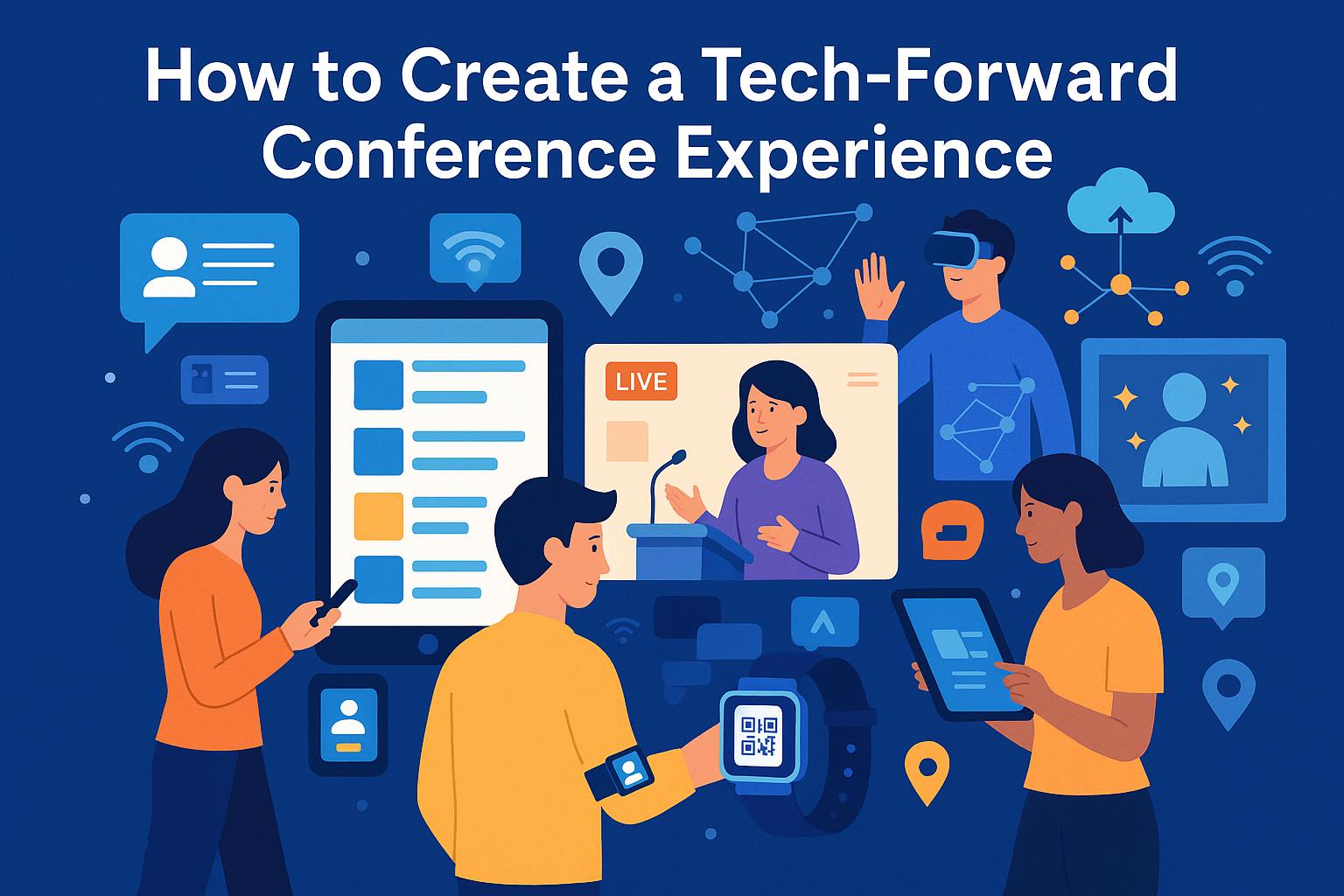
In today’s dynamic business environment, tech conference planning is no longer a novelty it’s a necessity. Attendees now expect seamless registration, real-time engagement, hybrid options, personalized content, and immersive experiences powered by smart technology. Whether you’re organizing a corporate summit, industry expo, or academic forum, leveraging cutting-edge tools can dramatically enhance the value of your event. This guide will walk you through the core components of a tech-forward conference experience, detailing how to integrate modern digital tools, use AI for engagement and logistics, deploy wearables and mobile apps, and create a hybrid conference experience that’s accessible and impactful. 1. Understanding the Shift: Why Tech-Forward Conferences Matter The Evolution of Business Events Gone are the days when a projector and microphone sufficed for a professional event. Post-2020, the global events industry underwent a seismic shift, pushing hybrid and virtual conference formats to the forefront. Alongside them came a demand for smarter engagement, real-time feedback, and data-driven planning—all powered by technology. Benefits of a Tech-Forward Conference 2. Core Technologies That Define a Smart Conference A. Conference Mobile Apps Smart conference apps serve as central hubs for attendees, offering: Popular apps: Whova, EventMobi, Attendify. Tip: Choose an app with AI-powered analytics and integrations with CRM tools for post-event engagement. B. AI-Powered Tools and Chatbots Artificial Intelligence is transforming tech conference planning by: Use AI tools like: C. Wearable Technology Wearables enhance the smart conference experience by: Examples: NFC badges, RFID wristbands, smart lanyards. Case Application: At large-scale tech expos, wearables can also be used to gamify the experience attendees earn points for exploring different booths, attending sessions, or participating in challenges. D. AR/VR Integration Augmented and Virtual Reality (AR/VR) can turn standard conferences into immersive playgrounds: Tools to explore: E. Virtual Event Platforms A strong virtual or hybrid platform is critical. Look for: Best-in-class options: Hopin, vFairs, ON24, and Airmeet. 3. Building the Hybrid Conference Experience A. Hybrid Is the New Normal More than 60% of attendees now expect events to be accessible remotely. A hybrid conference experience caters to both on-site and virtual participants without compromising either group’s engagement. B. Key Features of a Successful Hybrid Model C. Production Considerations 4. Digital Tools for Planning and Logistics A. Project Management Software Coordinate complex tasks using tools like: Use these for speaker scheduling, budget tracking, and team communications. B. CRM and Marketing Automation Platforms like HubSpot or Marketo can: C. Ticketing and Access Control Use QR-code-based e-tickets or RFID wristbands for: 5. Personalization and Data Analytics A. Personalization = Retention AI and data allow planners to: B. Post-Event Analytics Key metrics to monitor: Tools: Google Analytics (for websites), in-app analytics, CRM reporting, and survey feedback. 6. Sustainability Through Smart Tech Modern tech-forward conference planning also emphasizes sustainability: 7. Security and Compliance A. Cybersecurity Measures Ensure your platforms support: B. Access Control Leverage biometrics or mobile ID for high-security events such as defense or financial summits. 8. Networking in a Smart Conference A. Smart Matchmaking Let AI suggest attendee connections based on: B. Virtual Meeting Rooms Enable: 9. Sponsorship Activation with Tech A. Sponsored Sessions & Gamification Allow sponsors to: B. Data-Driven ROI for Sponsors Provide heatmaps, engagement reports, and contact leads generated during the conference. 10. Future Trends to Watch Frequently Asked Questions (FAQs) 1. What is a tech-forward conference? A tech-forward conference integrates the latest digital tools, platforms, and automation technologies to improve attendee engagement, streamline planning, and offer hybrid participation options. 2. How do I start tech conference planning? Begin by defining your goals, then choose technologies that align with those goals—whether it’s a mobile app, AI assistant, virtual platform, or hybrid format. Always prioritize user experience. 3. What is the best mobile app for conferences? Top-rated apps include Whova, EventMobi, and Attendify. Choose one with features like live polling, networking, and AI analytics. 4. Can small conferences also be tech-forward? Yes. Even intimate gatherings benefit from tools like QR check-ins, smart agendas, and hybrid streaming solutions. Many tools offer tiered pricing for smaller events. 5. What tech is essential for hybrid conferences? Reliable live streaming software, a mobile app, engagement tools (polls, Q&A), and CRM integrations are essential. Don’t forget good internet bandwidth and tech support. 6. How can I ensure data privacy at my event? Use platforms with secure encryption, data compliance certifications (like GDPR), and clearly communicate how attendee data is used. Creating a tech-forward conference experience is about more than adding gadgets it’s about transforming how people connect, learn, and engage. From AI-powered planning to wearable technology and immersive hybrid formats, every step of your tech conference planning journey can be optimized for both impact and efficiency. Start small if needed, but keep innovating. As the events industry evolves, those who invest in smarter, scalable, and sustainable tech will lead the future of professional gatherings.
Integrating Technology in Dubai Events: From AI to Virtual Reality

In the fast-paced, luxury-driven city of Dubai, event management has become a bold canvas for cutting-edge innovation. As the global capital for immersive experiences, the emirate is embracing the convergence of artificial intelligence (AI), virtual reality (VR), and other tech disruptors to redefine what corporate and experiential events can look like in 2025. Celestine Event, a premier event planning company in Dubai, stands at the forefront of this transformation—integrating breakthrough technologies into world-class productions for premium brands. From concept to execution, their full-service capabilities now include tech-forward solutions that not only enhance efficiency but also elevate guest engagement like never before. The Role of Technology in Event Planning Gone are the days of traditional schedules and paper-based guest management. Today, AI-driven tools are optimizing logistics, predicting attendee behavior, and even customizing real-time content delivery. Dubai’s event planners are utilizing machine learning algorithms to design better floor plans, control crowd flow, and fine-tune lighting and sound systems—all while maintaining luxury aesthetics. Meanwhile, virtual reality offers a sensory dimension previously unattainable. Whether it’s a VR brand walkthrough or a 360° product demo at a luxury exhibition, the technology delivers immersive experiences that resonate far beyond the event’s physical footprint. Real-World Tech Applications Celestine Event’s recent execution of a major automotive brand activation showcased a virtual racetrack where guests could “test drive” vehicles using VR headsets. For corporate summits, they integrated live translation AI and facial recognition for seamless check-in and multilingual accessibility. Augmented reality (AR) displays brought sponsor products to life in interactive pop-ups—a hit with digitally native audiences. Why Dubai is the Perfect Playground Dubai’s regulatory openness to smart cities and AI innovation has created a thriving ecosystem for event technology. With a tech-savvy audience, futuristic venues like Expo City and Museum of the Future, and a government that encourages digital transformation, Dubai provides the ideal landscape for advanced event integration. Sustainability through Smart Tech Another emerging trend is the use of technology to reduce the environmental footprint of events. Digital invitations, LED walls replacing printed banners, and IoT-enabled resource tracking all contribute to more eco-conscious gatherings—an approach aligned with Dubai’s 2030 sustainability goals. 5 FAQs on Event Technology in Dubai Q1: How is AI being used in Dubai’s event industry?AI helps with predictive analytics, personalization of attendee experiences, and automating logistics such as catering, guest lists, and program optimization. Q2: What are the most popular tech features at events in Dubai?VR activations, facial recognition entry systems, AR installations, AI-powered content curation, and mobile event apps are currently trending. Q3: Are there cost-effective tech solutions for mid-scale events?Yes. Tools like RFID for badge tracking or virtual check-ins offer great ROI without the overhead of fully immersive VR setups. Q4: How does tech enhance the guest experience?It simplifies navigation, offers real-time customization, and adds interactivity through gamified experiences, live polls, and immersive brand storytelling. Q5: Can tech integration align with luxury branding?Absolutely. High-end tech setups are designed to be seamless, aesthetic, and on-brand—enhancing the exclusivity and sophistication of the event. As Dubai evolves as a global destination for innovation and opulence, integrating event technology is no longer optional—it’s essential. With Celestine Event leading this digital evolution, brands can expect experiences that are not just memorable, but revolutionary.