Experiential Marketing: Turning Brand Values Into Immersive Events
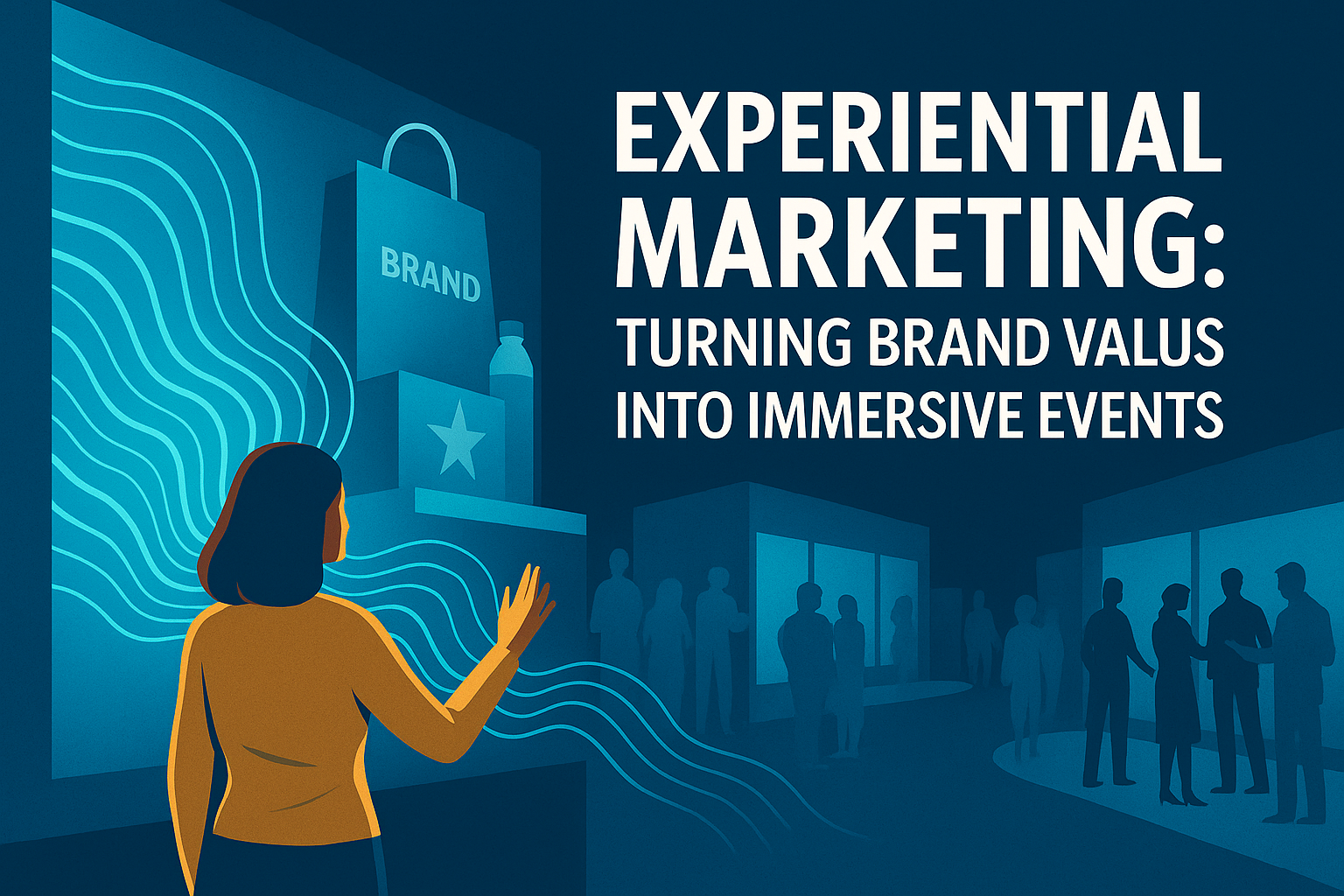
In an increasingly competitive and digital-first marketplace, brands must go beyond traditional advertising to create meaningful connections with their audience. Enter experiential marketin a strategy that brings your brand values to life through immersive and memorable experiences. Whether it’s a pop-up activation, a branded conference, or a multi-sensory installation, experiential marketing is a powerful tool to build loyalty, boost engagement, and drive conversions. Dubai, known for its innovation and hospitality excellence, has become a hotspot for brands embracing this marketing revolution. In 2025, experiential marketing will not just be a buzzword but a core component of any successful brand strategy. What Is Experiential Marketing? Experiential marketing also called engagement marketing or live marketing is a strategy that directly engages consumers, encouraging them to participate in a brand experience. It goes beyond messaging, focusing on creating emotional connections through real-life interactions that reflect a brand’s mission, vision, and values. This method transforms passive audiences into active brand ambassadors by immersing them in a story or scenario that resonates on a deeper level. Why Experiential Marketing Works Examples of Experiential Marketing in Action In Dubai, many luxury and tech brands are embracing similar experiential strategies to woo their discerning clientele. How to Align Brand Values with Immersive Experiences 1. Define Your Brand DNAClearly articulate what your brand stands for. Is it innovation? Sustainability? Community? These core values should be the foundation of your experiential event. 2. Know Your AudienceUnderstand the desires, behaviors, and pain points of your target audience. Craft experiences that solve their problems or bring joy in unique, branded ways. 3. Choose the Right Venue and MediumFrom Dubai’s high-end resorts to its vibrant outdoor spaces and malls, the location and format of your event should complement the narrative. 4. Integrate TechnologyLeverage AR/VR, AI-driven personalization, gamification, and interactive touchpoints to enhance the experience. 5. Ensure Brand CohesionEvery touchpoint from signage to staff uniforms to giveaways should reinforce your brand identity. Trends in Experiential Marketing for 2025 Measuring ROI in Experiential Marketing It’s not just about footfall. Here’s how to measure success: Facts Experiential marketing is the future of emotional branding. It transforms abstract values into tangible experiences that linger in the hearts and minds of your audience. Especially in a dynamic market like Dubai, where consumers expect more than just products they want stories, impact, and connection experiential marketing delivers unmatched value. As we move into 2025, brands that harness the power of immersive events aligned with authentic values will rise above the noise, foster deeper loyalty, and inspire lasting customer advocacy.
Measuring ROI of BTL Activations: Lessons from Dubai’s Event Sector
Measuring ROI of BTL Activations: Lessons from Dubai’s Event Sector In Dubai’s thriving event and luxury branding ecosystem, Below-the-Line (BTL) activations have become a core strategy for brands to create memorable, personalized connections. But with premium budgets and high expectations, one question becomes critical: How do you measure ROI from BTL campaigns effectively? In this article, we draw from the dynamic event sector of Dubai to explore proven ways to quantify success, demonstrate impact, and optimize future investments. Why ROI Measurement Matters More Than Ever Dubai is home to some of the world’s most ambitious marketing events, from luxury car pop-ups and fashion shows to immersive tech exhibits. In such a competitive landscape, brands cannot afford to view activations as “feel-good” experiences without measurable outcomes. Clear ROI evaluation helps in: Key ROI Metrics for BTL Activations 1. Footfall & Engagement Metrics KPIs: 2. Lead Generation & Data Capture Use every BTL campaign as a data opportunity: Dubai Insight: Beauty brands at Mall of the Emirates often offer high-end samples in exchange for filling out preference-based quizzes, gathering qualified data while elevating the experience. Tip: Use iPads with CRM integrations to instantly feed leads into your pipeline. 3. Sales Conversions (On-Site or Post-Event) Did your campaign generate purchases? Tracking Ideas: Example: A premium perfume brand at DIFC Art Nights tracked purchase redemptions using scannable wristbands linked to attendee profiles. 4. Brand Awareness & Sentiment This is especially relevant for luxury or lifestyle-focused brands. Tools: Dubai Insight: At Expo 2020 Dubai, pavilions tracked online sentiment spikes during live activations using geo-tagged posts and real-time dashboards. 5. Influencer & PR Reach Many BTL events rely heavily on influencer engagement. Track: Best Practice: Provide influencers with personalized event experiences they want to post about organically. 6. Cost Efficiency ROI = (Campaign Profit – Cost) ÷ Cost Include All Costs: Compare this ROI to digital or ATL campaigns to justify continued BTL investment. Bonus: Tech Tools to Streamline BTL ROI Tracking Real Lessons from Dubai’s Event Sector Conclusion: Measuring ROI is a Competitive Edge In Dubai’s fast-paced luxury and event industry, being able to measure the effectiveness of BTL activations is not optional — it’s a strategic advantage. By combining creativity with analytics, brands can turn ephemeral experiences into long-term equity and measurable business growth.
Innovative BTL Campaign Ideas for Dubai’s Luxury Brands
Innovative BTL Campaign Ideas for Dubai’s Luxury Brands In Dubai’s high-octane luxury market, brands must go beyond traditional advertising to create meaningful and memorable connections. Below-the-Line (BTL) marketing offers a direct, experiential, and exclusive channel to target high-net-worth individuals (HNWIs), luxury shoppers, and brand-conscious clientele. Here’s a deep dive into some cutting-edge BTL campaign ideas that align perfectly with the opulence and ambition of Dubai’s luxury scene. 1. Private, Invite-Only Product Reveals at Iconic Venues Why It Works: Exclusivity resonates with luxury consumers. Hosting VIP previews in private villas on The Palm, sky lounges in Downtown Dubai, or heritage sites in Al Bastakiya creates an unmatched atmosphere. Execution Tip: Combine the reveal with a live art performance, fine dining by celebrity chefs, and real-time social coverage through high-end influencers. 2. Immersive Pop-Up Experiences in Luxury Malls Why It Works: Malls like The Dubai Mall and Mall of the Emirates are hubs for affluent shoppers. Temporary, luxury-themed pop-ups can captivate passersby and encourage organic brand interaction. Innovative Twist: Integrate augmented reality (AR) or virtual try-ons. Let visitors visualize your product in their lifestyle — whether it’s a luxury car on their driveway or a designer dress on their avatar. 3. Brand Activation Through Experiential Installations Idea: Create Instagrammable art installations that reflect your brand story. Think kinetic sculptures, interactive lighting, or sensory tunnels that merge art, fashion, and tech. Location Strategy: Target hotspots like DIFC, JBR, or Dubai Design District during art or fashion weeks. 4. Luxury Brand Roadshows with Concierge Touchpoints Concept: Organize curated roadshows where your brand visits high-end residential communities such as Emirates Hills, Dubai Hills Estate, or Jumeirah Bay Island. Key Features: 5. Gifting Suites at VIP Events & Film Festivals What’s In It: Set up elegant gifting lounges at high-profile Dubai events like the Dubai International Film Festival, Art Dubai, or World Cup Horse Racing. ROI Driver: Personalized luxury gifting with embedded digital touchpoints (QR code links to exclusive brand offers or NFT access passes). 6. Cultural Collaborations with Local Artists & Designers Why It Matters: Aligning with Emirati culture deepens brand resonance. Luxury brands can co-create collections, host design workshops, or sponsor exhibitions with local artisans. Impact: Earn local loyalty while creating PR-worthy, culturally enriched experiences. 7. Curated Yacht Experiences Luxury at Sea: Invite elite clients aboard a branded yacht for a sunset showcase or private networking event. Use the opportunity for product demonstrations, live fashion shows, or interactive storytelling via marine drones and projection mapping. 8. High-Tech BTL: AI & Data-Driven Personalization Futuristic Touch: Use AI to analyze guest preferences and offer customized event journeys — from scent selections at perfume pop-ups to tailored soundscapes at audio lounges. Data Edge: Gather zero-party data via luxury experience surveys and gated content access. Final Thoughts: Elevating Brand Prestige Through Innovation BTL campaigns are no longer just “below the line”—they’re beyond the expected. For Dubai’s luxury brands, the goal isn’t just exposure, but exclusivity, elegance, and emotional engagement. By fusing high-touch experiences with cutting-edge tech and cultural sensitivity, brands can dominate Dubai’s premium market with BTL strategies that not only impress—but endure.
Dubai’s Best Locations for Eye-Catching Brand Activations
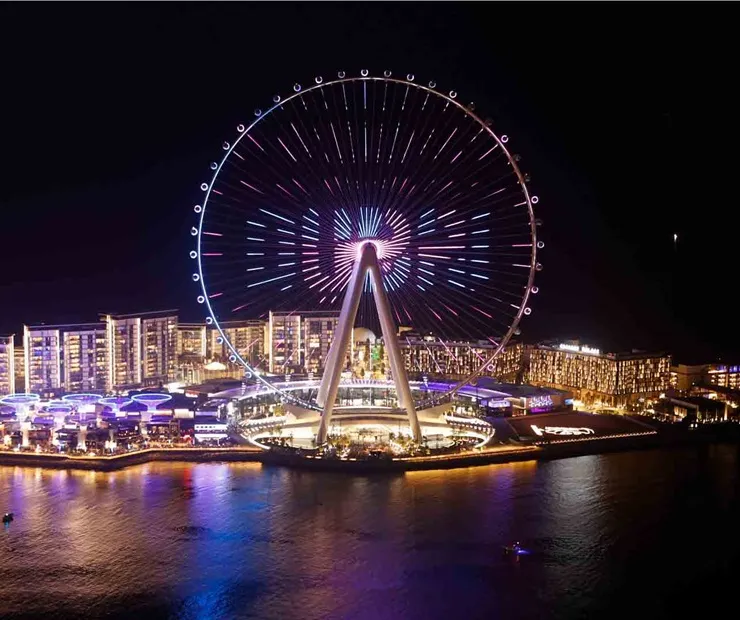
Introduction to Brand Activations in Dubai Brand activations are powerful marketing strategies designed to create interactive experiences that engage consumers with a brand. These initiatives go beyond traditional advertising, harnessing the full potential of experiential marketing to foster emotional connections with target audiences. Essentially, brand activations seek to bring a brand to life through thoughtful interactions, ultimately reinforcing brand identity while encouraging consumer loyalty. Dubai presents a unique environment for brand activations due to its multicultural population, lavish urban landscape, and status as a global tourism hub. The city attracts millions of visitors annually, providing businesses with ample opportunities to reach a diverse audience. This dynamic market is characterized by its blend of tradition and modernity, offering brands a chance to create meaningful experiences that resonate with both locals and tourists. The city’s iconic landmarks, such as the Burj Khalifa and the Palm Jumeirah, serve as striking backdrops for experiential marketing campaigns, significantly enhancing brand visibility. Furthermore, the bustling atmosphere of Dubai’s markets, from the traditional souks to luxury shopping centers, allows brands to engage with consumers in lively settings. By utilizing interactive installations, live performances, and immersive experiences, companies can capture the attention of passersby and create buzz around their products or services. As the market in Dubai continues to evolve, businesses can leverage technology and innovative marketing techniques to make their brand activations even more compelling. Overall, brand activations in Dubai not only provide an avenue for enhancing consumer engagement but also contribute to the overall effectiveness of marketing strategies in reaching diverse audiences. The Dubai Mall: The Heart of Retail Experience The Dubai Mall stands as one of the most iconic retail destinations in the world, offering an unparalleled setting for eye-catching brand activations. With an average foot traffic exceeding 80 million visitors annually, the mall serves as a vibrant hub for diverse consumer demographics. This immense flow of potential customers creates an exceptional opportunity for brands seeking to engage and captivate their target audience. Immersed in luxury, The Dubai Mall is renowned for its opulent atmosphere and its wide variety of high-end retail stores. This prestigious ambiance aligns with high-profile brand activations, enabling companies to elevate their visibility and reinforce their premium positioning. Activations at this location can benefit immensely from the presence of affluent shoppers who are keen on unique experiences, thus making The Dubai Mall an ideal backdrop for innovative marketing strategies. Successful brand activations, such as the immersive Disney-themed experiences and dynamic fashion shows, illustrate how well the mall facilitates memorable engagements. These initiatives not only leveraged the high visibility of the mall but also utilized its attractions, such as the Dubai Aquarium and the Olympic-sized ice rink, to forge deeper connections with consumers. Such attractions can add an engaging layer to brand narratives, allowing activations to transcend traditional methods and capture the imagination of visitors. Additionally, the mall’s diverse visitor demographic enables brands to curate engaging experiences that resonate with various cultural backgrounds and interests. By adapting activations to appeal to both local residents and international tourists, brands can maximize reach and impact. The Dubai Mall serves as more than just a shopping center; it is a strategic platform for brands aiming to create interactive and engaging experiences that leave a lasting impression. Burj Khalifa: Elevating Brand Presence to New Heights As the tallest building in the world, the Burj Khalifa stands as an iconic centerpiece of Dubai’s skyline and a premier venue for eye-catching brand activations. Not only does it embody architectural innovation, but it also serves as a powerful symbol for businesses looking to enhance their brand presence. The unique opportunities presented by this landmark can propel marketing efforts to new heights, making it an ideal setting for memorable campaigns. One of the most remarkable possibilities for brand activations at the Burj Khalifa involves spectacular light shows, creating a vivid spectacle against the night sky. Brands can leverage this visual appeal by integrating their logos and messages into the display, ensuring that audiences experience a captivating performance that associates their brand with this architectural marvel. Moreover, drone displays can heighten engagement and create a dynamic, interactive experience for viewers below. Combining technology with creativity, brands can wow spectators from all angles, establishing a strong and lasting impression. Projection mapping is another innovative strategy utilized at the Burj Khalifa. By transforming the building’s façade into a canvas for storytelling, brands have a unique platform to narrate their values and products through stunning visuals. This technique has been previously employed by numerous corporations, which have successfully harnessed the building’s monumental presence to amplify their message. Noteworthy campaigns include light displays that synchronized with seasonal celebrations, demonstrating the versatility of brand activations at this landmark. Associating a brand with the Burj Khalifa not only boosts visibility but also capitalizes on the structure’s global recognition. This affiliation can enhance credibility and attractiveness, positioning the brand favorably in the eyes of both local and international audiences. Embracing the Burj Khalifa for brand activations signifies a bold commitment to innovation and quality, ultimately elevating brand presence in a highly competitive marketplace. Global Village: A Cultural Melting Pot for Brand Activations Global Village stands as a prominent venue in Dubai, renowned for its vibrant and multicultural environment, attracting a diverse audience from around the globe. This annual cultural festival combines entertainment, shopping, and dining, making it an ideal location for brand activations aiming to engage with multicultural consumers. The diverse demographic present at Global Village allows brands to strategically position themselves to appeal to a wide array of nationalities, tapping into various cultural preferences and trends. One effective way for brands to engage audiences at Global Village is through themed pavilions, each representing different countries and cultures. This format not only enhances the visitor experience but also allows brands to create immersive environments that resonate with specific consumer segments. By designing activations that reflect cultural aspects, brands can foster deeper connections with attendees, translating emotion into brand loyalty. Additionally, interactive experiences such as workshops, product demonstrations,
The Power of Live Brand Activations in a Digital Age

Introduction to Brand Activations In the evolving landscape of marketing, brand activations have emerged as a vital strategy for businesses aiming to engage consumers meaningfully. Brand activation encompasses a variety of tactics and experiences designed to create a direct interaction between a brand and its target audience. Unlike traditional advertising, which often relies on passive consumption, brand activations are interactive and immersive, fostering a more profound connection with consumers. At its core, brand activation aims to generate memorable experiences that resonate with individuals, prompting them to form emotional connections with the brand. These experiences can take various forms, from experiential events and pop-up installations to digital campaigns and social media interactions. The key is to create environments where consumers can engage directly, allowing for a two-way dialogue that enhances brand recall and loyalty. Brands that successfully implement activation strategies leverage storytelling and experiential marketing to convey their messages. By inviting consumers to participate in unique experiences, brands can personalize their offerings, ensuring that consumers feel seen and valued. This approach not only enhances consumer engagement but also encourages sharing across social platforms, further amplifying brand visibility and reach. In summary, brand activations are essential in fostering meaningful connections with consumers, transforming traditional marketing approaches into engaging experiences that resonate on a deeper level. The Shift from Traditional Marketing to Live Experiences In recent years, the marketing landscape has experienced a significant transformation as brands shift from traditional marketing strategies to more immersive and engaging live experiences. This transition is largely driven by the rapid growth of digital media and the evolving expectations of consumers. Traditional methods, such as print advertisements and television commercials, are often perceived as one-sided and impersonal. In contrast, contemporary consumers are increasingly favoring brands that prioritize interaction and participation. Experiential marketing has emerged as a vital component in this new paradigm. It focuses on creating memorable encounters that deepen the emotional connection between a brand and its audience. Live brand activations, which are tangible manifestations of this approach, allow businesses to engage consumers in dynamic ways, fostering a sense of community and belonging. By immersing participants in unique experiences, these activations enable brands to communicate their values and stories more effectively than traditional marketing ever could. The impact of social media on consumer behavior cannot be overlooked. Today, an increasing number of people document and share their experiences online, giving rise to the phenomenon of “experience-sharing.” This trend amplifies the reach of live brand activations as participants become brand ambassadors in their social circles. Consequently, brands can now connect with wider audiences in real-time, generating excitement and buzz that enhances visibility and engagement. Furthermore, the rise of virtual and augmented reality technologies has expanded the possibilities for experiential marketing. These innovations allow brands to blend physical and digital experiences, creating stunning environments that captivate consumers. As consumers continue to seek authentic interactions in a digital age, brands must adapt their strategies to include more live experiences, thus enhancing their relevance and resonance in today’s marketplace. Why Live Brand Activations Matter In an era dominated by digital interactions, the significance of live brand activations remains paramount. These immersive experiences offer a distinctive platform for brands to connect with their target audiences on a personal level. By engaging consumers in real time, live activations foster emotional connections that are often lost in virtual communication. This strong engagement enhances brand loyalty, as consumers are more likely to remember and feel positively toward a brand that has provided a memorable experience. The psychological effects of participating in live brand activations are profound. Engaging in shared experiences can evoke stronger emotional reactions than passive interactions, such as viewing an advertisement online. These events transform consumers from passive observers into active participants, allowing them to form a tangible relationship with the brand. This transformation not only drives immediate engagement but also cultivates long-term loyalty, as consumers feel a sense of belonging and connection that goes beyond conventional marketing approaches. Additionally, live brand activations create opportunities for shareable content that can extend the reach of the brand well beyond the confines of the event. Attendees often document their experiences on social media platforms, producing user-generated content that amplifies the brand’s visibility. This organic promotion can inspire others to engage, creating a ripple effect that far surpasses traditional advertising methods. The content generated during these activations often resonates with a broader audience because it is perceived as authentic and relatable, further solidifying the brand’s position in the market. Ultimately, live brand activations serve as an essential tool in a brand’s marketing strategy. By cultivating emotional connections, fostering loyalty, and generating shareable content, these activations significantly enhance the brand’s outreach and engagement capabilities. It is imperative for brands to recognize and capitalize on the unique advantages that live interactions offer in our increasingly digital world. Examples of Successful Live Brand Activations In the rapidly evolving landscape of marketing, live brand activations have emerged as powerful tools for companies seeking to enhance their visibility and engage consumers in meaningful ways. Numerous brands have successfully executed live events that not only captured attention but also fostered genuine connections with their audiences. One notable example is the Red Bull Stratos project. This groundbreaking initiative involved Felix Baumgartner’s record-breaking freefall from the stratosphere, which was streamed live and inspired millions worldwide. The event not only solidified Red Bull’s positioning as an innovator but also reignited conversations about the brand’s adventurous spirit, garnering massive media coverage and engagement on various platforms. Another compelling case is the annual Coachella music festival, which brands have leveraged to create immersive experiences that resonate with music lovers. Notably, the H&M flagship store’s interactive pop-up featured activities that involved celebrity appearances, exclusive merchandise, and social media campaigns, dramatically enhancing brand engagement. By aligning itself with a culturally significant event, H&M adeptly linked its identity to the music and arts scene, creating a memorable experience that significantly elevated brand visibility. Furthermore, Nike’s “Breaking2” campaign exemplifies the integration of physical events and digital engagement. This initiative