How to Design a Seamless Corporate Event Experience
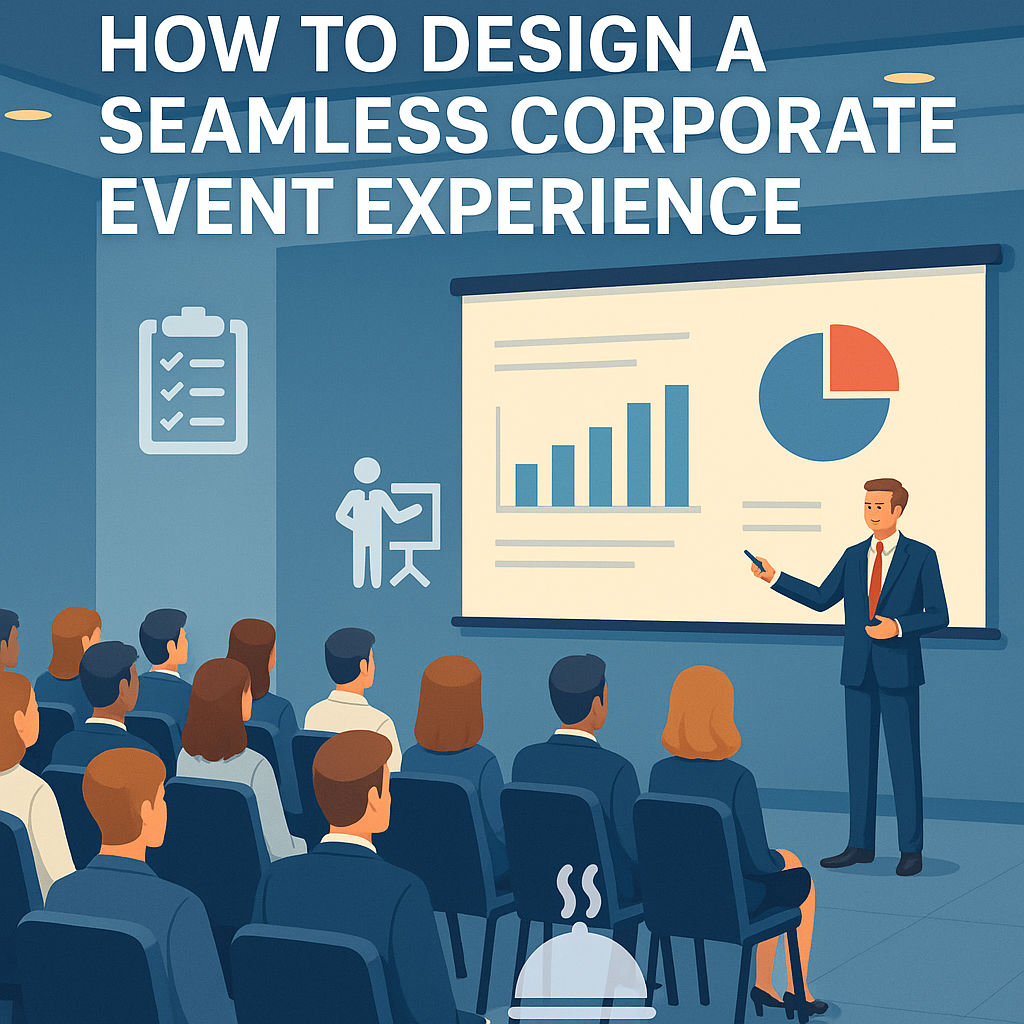
Corporate events are more than just formal gatherings they’re brand-building moments, networking platforms, and business catalysts. Whether you’re launching a product, hosting an executive summit, or celebrating milestones, designing a seamless corporate event experience is key to leaving a lasting impression. In today’s fast-paced business world especially in hubs like Dubai, New York, and London event expectations have evolved. Guests demand elegance, engagement, and flawless execution. So, how do you craft an event that’s memorable and smooth? Let’s break down the essential components. 1. Start with Strategic Planning Every successful event begins with a clear goal. Before picking venues or speakers, ask: Create an event blueprint that includes your KPIs, budget estimates, timeline, and roles. Aligning your event goals with business outcomes will drive smarter decisions throughout the planning process. 2. Choose the Right Venue The venue sets the tone. Choose a space that reflects your brand’s persona whether it’s luxury, innovation, or sustainability. Consider these factors: For premium experiences in cities like Dubai, rooftop venues, private beach resorts, or smart convention centers offer the sophistication and infrastructure corporate guests expect. 3. Leverage Technology for Streamlined Logistics Technology can make or break the guest experience. Use: These tools don’t just enhance convenience they reflect a forward-thinking brand. 4. Prioritize Hospitality and Personalization Guests remember how they were treated. Ensure: Consider offering white-glove concierge services for VIPs or executives, especially for C-suite focused events. 5. Design with Brand Storytelling in Mind Every touchpoint is a chance to tell your brand story: Make sure your brand values and personality are subtly yet powerfully woven into the experience. 6. Engage All Senses True immersion happens when you design for multi-sensory impact: 7. Measure Post-Event Impact After the event, analyze: Use this data to optimize future events and show ROI to stakeholders. Facts Designing a seamless corporate event is an art and science. It’s about balancing precision planning with emotional engagement. In a competitive landscape, a well-crafted event can reinforce your brand, deepen relationships, and set you apart from the rest.
The Future of Corporate Event Management in Dubai: Trends and Predictions 2025

In a city synonymous with innovation, luxury, and global influence, Dubai’s corporate event management landscape is undergoing a seismic transformation. As we enter 2025, the world’s most ambitious brands are looking beyond conventional meetings and conferences. They’re seeking immersive, tech-forward, and sustainability-conscious experiences that align with corporate values and futuristic vision. Celestine Event, one of Dubai’s premier full-service event management companies, is at the forefront of this evolution—curating groundbreaking corporate gatherings for premium clients across industries. Below, we dive into the trends that are redefining the future of corporate event management in Dubai, and what businesses need to prepare for. 🔮 1. Hyper-Personalization & Brand Storytelling Gone are the days of generic conferences. In 2025, personalization reigns supreme. Event planners are using attendee data and AI to tailor experiences down to the individual—be it through personalized agendas, curated breakout sessions, or even customized giveaways. Celestine Event leads the way by crafting narratives that align each brand’s identity with every aspect of the event experience. 💡 2. Tech Integration: AI, AR, and Real-Time Analytics From registration to post-event feedback, technology is embedded at every stage. Facial recognition check-ins, holographic presentations, and AI-powered matchmaking apps are not novelties—they’re the new standard. Expect AR-enhanced networking lounges, real-time sentiment tracking, and digital twins of venue setups. Celestine Event already integrates these tools into their production workflows, ensuring seamless, tech-enabled environments. 🌿 3. Sustainable Event Practices With Dubai hosting COP28 and increasing global attention on ESG, sustainability is now a non-negotiable. Corporate events are going green—replacing plastic with biodegradable materials, using energy-efficient lighting, and embracing hybrid formats to reduce travel emissions. Celestine Event incorporates sustainability metrics in every proposal, helping brands align their events with CSR goals. 🌐 4. Hybrid & Multi-Platform Engagement While in-person events are back in full swing, hybrid formats are here to stay. Corporations now demand event designs that cater to both live and virtual attendees with equal attention. Simultaneous translations, remote speaker integration, and live-streamed interactive Q&As are being standardised. Celestine Event leverages multiple platforms to create unified, borderless experiences. 🏢 5. Creative Venue Curation Dubai’s venue ecosystem is expanding rapidly—with corporate events moving from hotel ballrooms to rooftops, desert resorts, art galleries, and even floating platforms on the Marina. In 2025, the setting must enhance the brand message. Celestine Event’s location scouting and venue design services offer clients access to iconic and offbeat spaces tailored for maximum impact. 📊 6. ROI-Driven Planning and Strategy With growing scrutiny over marketing budgets, measuring ROI is critical. Clients want clear metrics on engagement, conversions, sentiment, and more. Through data-driven production, Celestine Event crafts strategic plans that turn brand objectives into measurable event outcomes—ensuring every moment counts. ✅ Final Thoughts Corporate event management in Dubai is evolving into a fusion of technology, creativity, sustainability, and strategy. In 2025, only the most agile and visionary event firms will thrive—and Celestine Event is one of the names leading this next chapter. 🙋 5 FAQs About Corporate Event Management in Dubai 1. What defines a successful corporate event in Dubai today?A successful event blends brand storytelling, audience engagement, high-end execution, and measurable results. Dubai’s corporate events now demand innovation and cultural relevance. 2. How is technology shaping Dubai’s event planning process?Tech powers everything—from AI-driven planning tools and immersive experiences to data analytics and hybrid formats. Planners like Celestine Event are investing heavily in these innovations. 3. What types of venues are trending for corporate events?Experiential spaces—such as art galleries, yacht decks, and cultural landmarks—are replacing traditional halls. The venue must reflect the brand’s tone and purpose. 4. How do Dubai event planners ensure sustainability?From carbon offsetting to eco-materials, sustainability is embedded from day one. Celestine Event uses a checklist approach to ensure green compliance across suppliers and logistics. 5. Why should premium brands partner with a full-service agency like Celestine Event?Full-service agencies manage every detail—from creative to logistics—under one strategic vision. With Celestine Event, brands get consistency, luxury, and performance-driven results.
Why Dubai Brands Choose Full-Service Event Management
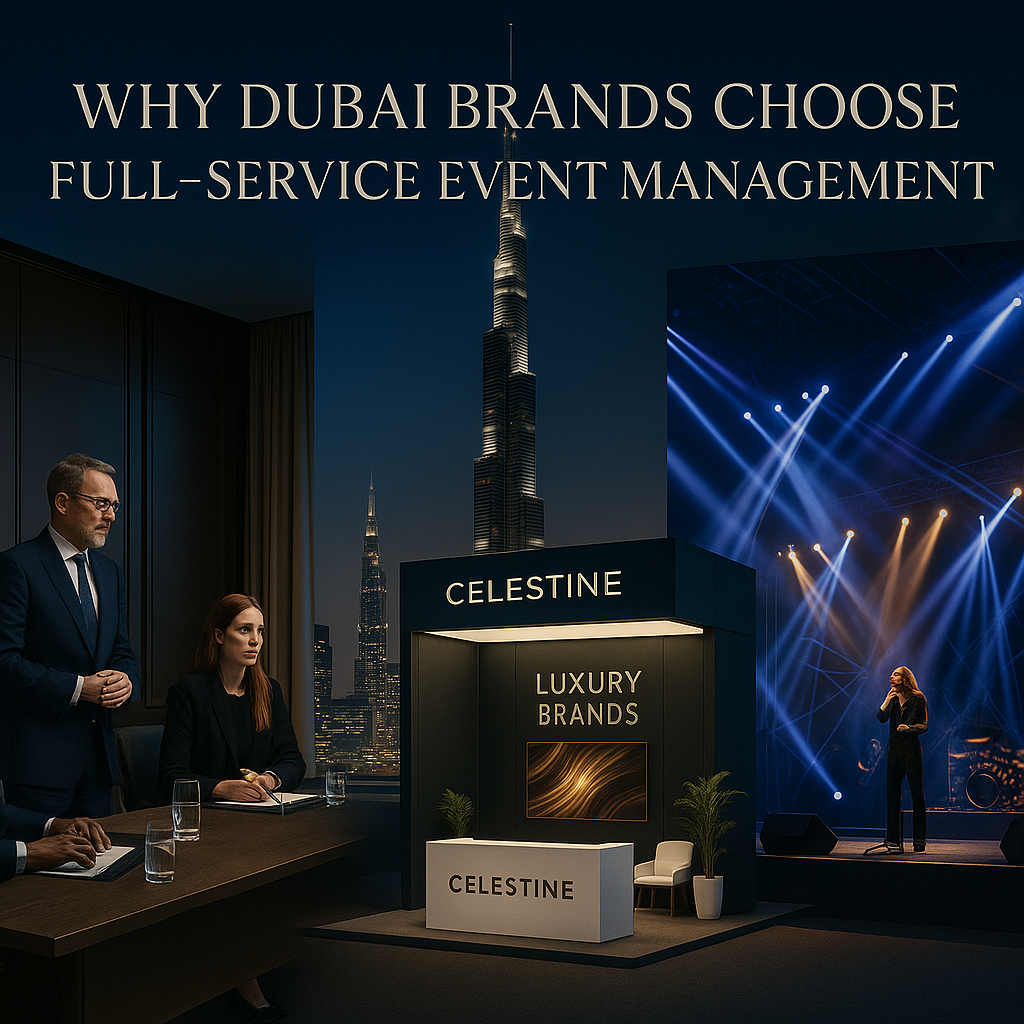
Dubai’s meteoric rise as a global business capital is mirrored by its booming events industry. From luxury product launches and tech expos to gala dinners and sporting spectacles, Dubai brands are making bold statements — not just through their offerings but through the experiences they craft. Behind these high-impact events, full-service event management firms like Celestine Event are the secret weapons driving seamless execution and measurable ROI. As a premium event planning partner, Celestine Event embodies the gold standard for Dubai’s elite brands. Offering end-to-end services — from concept development and creative production to logistics, staffing, and on-site execution — they eliminate the complexity, risk, and fragmentation that can plague brand activations in today’s competitive market. 1. One Point of Contact, Infinite Capabilities In a market where time is the ultimate luxury, Dubai’s premium brands demand efficiency. Full-service event agencies consolidate everything under one roof: creative design, venue sourcing, AV production, staffing, digital engagement, and compliance with local regulations. Celestine Event, for example, offers bespoke solutions with a single account manager who orchestrates the entire process, freeing brands to focus on strategy while leaving execution to experts. 2. Elevating Brand Image with World-Class Standards With global brands like Cartier, Dior, and Emirates setting the bar high, every event in Dubai is expected to be a showstopper. Full-service agencies ensure that your event doesn’t just match but exceeds those standards. Whether it’s cutting-edge projection mapping, celebrity talent booking, or crafting immersive brand experiences with VR and AR, Celestine Event transforms ordinary moments into unforgettable brand milestones. 3. Cost Efficiency Through Strategic Partnerships Contrary to the misconception that full-service means higher costs, agencies like Celestine leverage their vast supplier networks and long-term partnerships to negotiate the best rates on venues, tech, and talent. Their buying power and local expertise mean fewer markups and costly last-minute surprises — delivering luxury outcomes within optimized budgets. 4. Seamless Compliance with Dubai’s Regulations Dubai’s event landscape is shaped by stringent permitting, safety, and cultural regulations. A seasoned full-service agency navigates this maze with ease. Celestine Event’s local know-how ensures smooth government approvals, adherence to customs protocols for imported materials, and flawless alignment with Dubai’s Vision 2030 sustainability goals. 5. Post-Event Analytics and ROI Measurement Today’s brands demand more than just applause — they need data. Celestine Event closes the loop by offering post-event analytics, audience engagement reports, and digital tracking tools that measure KPIs like brand reach, customer acquisition, and conversion rates. This data-driven approach ensures brands can justify their event spend and refine future activations. FAQs: Why Choose Full-Service Event Management in Dubai? Q1: What does full-service event management include?It covers every stage from creative concepting, budgeting, venue booking, production management, AV rentals, staffing, catering, and compliance — all managed by one agency. Q2: Why is it important for brands in Dubai to use a local event partner?Dubai’s event ecosystem is unique with specific cultural, legal, and logistical requirements. Local agencies like Celestine Event ensure seamless execution and compliance. Q3: Is full-service event management only for large brands?No. While premium brands often use it, medium-sized companies also benefit from bundled services, efficiency, and cost savings. Q4: How does full-service management improve event ROI?By consolidating services, avoiding duplication, negotiating better rates, and providing analytics for continuous improvement. Q5: Can Celestine Event handle international brand activations in Dubai?Yes. They specialize in working with global brands looking to create localized experiences in Dubai’s luxury, tech, retail, and lifestyle sectors.
Virtual vs. In-Person Corporate Events: What Works Best in 2025

Introduction to the Evolving Landscape of Corporate Events The landscape of corporate events has undergone a significant transformation in the wake of the COVID-19 pandemic. Organizations have had to re-evaluate their approaches to hosting events, leading to a surge in both virtual and in-person formats. The necessity for adaptability has never been more pronounced, as businesses strive to connect with their audiences in innovative ways while addressing health and safety concerns. In the aftermath of the pandemic, the traditional concept of corporate gatherings has been disrupted. Virtual corporate events have gained traction, offering a flexible and potentially more cost-effective alternative. These online experiences have been designed to engage attendees through interactive features such as live polls, Q&A sessions, and networking opportunities, making them an appealing choice for many organizations. As technology continues to evolve, the capabilities of virtual platforms have expanded, elevating the standard for digital corporate events. However, despite the technological advancements, the desire for personal connection remains strong. In-person corporate events, such as conferences and workshops, foster relationships and encourage meaningful networking. Many professionals value the physical presence of their peers, which can lead to enhanced collaboration and stronger business ties. Thus, the debate shifts towards striking a balance that caters to both preferences, with many companies opting for a hybrid model that combines the strengths of virtual and in-person experiences. As we look towards 2025, understanding the unique strengths and weaknesses of both formats is crucial. Organizations must consider their specific objectives, audience preferences, and industry standards when selecting the appropriate event type. This evolving landscape requires corporate leaders to stay informed and make strategic decisions to effectively engage their stakeholders, ensuring that every event serves its intended purpose. Understanding Virtual Corporate Events Virtual corporate events have gained significant traction in recent years, especially in light of recent global events that necessitated a shift from traditional in-person gatherings to digital platforms. One of the primary advantages of virtual corporate events is their enhanced accessibility. Participants from various geographical locations can join without the need for extensive travel, thereby eliminating associated costs and logistical challenges. This accessibility not only broadens attendance but also increases inclusivity, allowing a wider audience to engage in discussions, workshops, and keynotes regardless of their physical location. In terms of cost-effectiveness, virtual corporate events often present significant savings for organizations. Expenses related to venue rental, catering, and printed materials can be greatly reduced or completely eliminated. Additionally, many modern tools and platforms offer tiered pricing structures or even free options, enabling companies of various sizes to host events that fit their budgets. This economic advantage does not diminish the quality of experience, as many virtual event solutions are designed to facilitate high levels of engagement and interactivity. The global reach of virtual events is another compelling factor. Organizations can engage participants from around the world, fostering international collaborations and networking opportunities that would have been difficult to achieve in a physical setting. The advent of various technologies, including webinars, live streaming, and interactive platforms like Zoom and Microsoft Teams, has transformed the way organizations communicate and connect with their audiences. Notable examples of successful virtual events include major tech companies hosting global product launches and interactive conferences that engage thousands of attendees simultaneously. These innovations are setting new standards in how corporate events are structured and executed. As organizations continue to adapt and refine their digital strategies, the importance of understanding the dynamics of virtual corporate events will only grow. The advantages they offer, in terms of accessibility, cost-effectiveness, and global reach, highlight the potential for these events to reshape corporate culture in 2025 and beyond. The Value of In-Person Corporate Events In-person corporate events play a pivotal role in fostering connections and enhancing business relationships. The unique value they offer cannot be replicated through virtual formats, as face-to-face interactions encourage sincere communication and engagement. Networking opportunities are significantly heightened when individuals can meet in person, facilitating the development of professional relationships that may lead to future collaborations or partnerships. The spontaneous conversations that occur during breaks or informal gatherings at these events often prove to be invaluable, revealing insights and ideas that may not surface in a structured online environment. Moreover, the importance of personal connections in the business world cannot be understated. Attending an in-person event allows participants to read non-verbal cues and nuances in communication, leading to a more profound understanding of their peers. These interactions create a level of trust and familiarity that virtual meetings struggle to achieve. Industry experts assert that these connections can enhance team cohesion, motivate employees, and foster a sense of community that bolsters overall company culture. Immersive experiences are another significant advantage of live events. Participants can engage deeply with presentations, demos, and workshops, often leading to greater retention of information and more effective learning. The tactile experience of materials and the ability to ask questions in real-time further enrich the educational value of in-person gatherings. This sensory engagement is crucial in a corporate landscape increasingly focused on innovation and creativity. Ultimately, the irreplaceable aspects of in-person corporate events position them as valuable tools for companies looking to build stronger networks, enhance personal connections, and create engaging, immersive experiences that contribute to professional development. Key Differences Between Virtual and In-Person Events The landscape of corporate events has evolved significantly, particularly with the advancements in technology and shifts in audience preferences. As we approach 2025, it is essential to delineate the primary distinctions between virtual and in-person corporate events, focusing on audience engagement, logistical considerations, and cost implications. First and foremost, audience engagement varies considerably between the two formats. In-person events traditionally foster personal interactions, allowing attendees to network face-to-face, build rapport, and participate in interactive sessions. This tactile engagement can enhance the overall experience, yielding a greater emotional connection to the event’s objectives. On the other hand, virtual events leverage technology to engage attendees through innovative tools such as live polls, breakout rooms, and chat functions. Although these elements can enhance participation, a significant
The Role of Corporate Events in Strengthening Brand Identity

Introduction to Corporate Events Corporate events play a pivotal role in the contemporary business environment, serving as essential platforms for organizations to communicate, engage, and foster relationships with various stakeholders. These events encompass a wide variety of formats, each tailored to meet specific objectives and audiences. Common types include conferences, trade shows, product launches, and team-building activities, among others. Each of these events contributes uniquely to achieving corporate goals and enhancing brand identity. Conferences gather industry professionals to share knowledge, discuss trends, and network. They can serve as a significant venue for promoting thought leadership and expertise within a particular sector. Trade shows, on the other hand, provide opportunities for businesses to showcase their products and services directly to potential customers and partners. These events often allow organizations to establish a strong presence in the market and differentiate themselves from competitors, reinforcing brand identity in the process. Product launches represent another crucial type of corporate event, specially designed to introduce new offerings to the market. A successful product launch often involves extensive planning and marketing strategies, aiming to create a buzz that captivates audiences and establishes a brand’s narrative surrounding the new release. Team-building activities, focusing on internal stakeholders, foster collaboration and cohesion among employees and can significantly influence an organization’s culture and identity. Overall, corporate events serve as vital communication tools, not only facilitating connections and collaborations but also reinforcing a brand’s core values and mission. By strategically leveraging these events, companies can solidify their presence in the marketplace and build a compelling brand identity that resonates with their target audience. As the blog continues, we will explore in greater detail how corporate events specifically contribute to strengthening this essential aspect of any business. Understanding Brand Identity Brand identity refers to the visible elements of a brand, including its name, logo, design, messaging, and overall aesthetic. These components work together to create a distinct image that resonates with consumers. More than just a visual representation, brand identity encompasses the values and philosophies that a company embodies. It serves as a critical foundation for how a business communicates with its audience and distinguishes itself from competitors. The logo, as the most recognizable aspect of a brand identity, plays a significant role in consumer perception. An effective logo should capture the essence of the brand and evoke emotional responses that align with the company’s ideals. For instance, tech companies often opt for modern, sleek logos to convey innovation and reliability, while eco-friendly brands might choose natural colors and organic shapes to emphasize sustainability. Beyond the logo, the messaging utilized in marketing materials must consistently reflect the brand’s core values, ensuring that the audience clearly understands the brand’s mission and offerings. In addition to visual elements, brand identity is intrinsically tied to customer perception. This encompasses how consumers view the brand based on their experiences and interactions. A cohesive brand identity fosters trust and loyalty as it conveys a sense of authenticity and commitment. When a business consistently aligns its products, communication, and marketing efforts with its established brand identity, it builds a strong connection with its audience. This connection is particularly vital in today’s competitive market, where consumers have countless options at their disposal. Therefore, cultivating a coherent brand identity can significantly impact customer loyalty and trust, influencing purchasing decisions and brand advocacy. Corporate Events as Brand Ambassadors Corporate events have emerged as vital tools that serve as brand ambassadors for organizations looking to establish a strong foothold in their respective markets. These events offer a unique opportunity for businesses to articulate their values, mission, and unique selling propositions in a manner that is both engaging and memorable. By creating an immersive environment, corporations can effectively showcase what differentiates them from competitors and foster a deeper understanding of their brand identity among attendees. One of the critical aspects of corporate events is their ability to foster an emotional connection between the brand and its audience. When individuals attend events, they often experience a blend of sensory interactions—from engaging presentations and networking opportunities to taste experiences if catering is involved. These interactions can significantly enhance brand recall, as the emotions generated during such events create lasting impressions. The connections formed at these gatherings make the brand more relatable and memorable, ensuring that it stays top-of-mind long after the event concludes. Furthermore, corporate events often create a platform for storytelling, allowing brands to share their journey, achievements, and aspirations in an engaging format. By integrating narrative elements that resonate with the audience, companies can reinforce their brand identity and align themselves with the values and expectations of their target demographic. This strategic positioning not only enhances public perception but also cultivates brand loyalty among consumers who feel a personal connection with the company and its offerings. In essence, corporate events serve as effective brand ambassadors that actively communicate the essence of a brand. They provide a framework for establishing emotional ties and showcasing company values, ultimately solidifying a brand’s presence in the marketplace. As organizations invest in such experiences, the benefits of increased brand visibility and loyalty are likely to follow, positioning the brand for long-term success. Networking Opportunities and Brand Exposure Corporate events play a pivotal role in creating networking opportunities that can significantly enhance brand exposure. These gatherings provide a platform for businesses to connect with a diverse audience, including potential clients, partners, and industry influencers. By participating in such events, companies can foster relationships that may lead to valuable collaborations, thus driving growth and innovation. The atmosphere of a corporate event is often designed to encourage interaction. Attendees are typically seeking new connections, which means that businesses are presented with the chance to engage with individuals who could potentially add value to their network. This interaction can result in meaningful conversations that not only highlight a brand’s unique offerings but also underscore its commitment to its industry. Companies that effectively leverage these moments can find themselves at the forefront of their market, gaining invaluable insights while simultaneously promoting their