A Step by Step Guide to Planning Executive Retreats
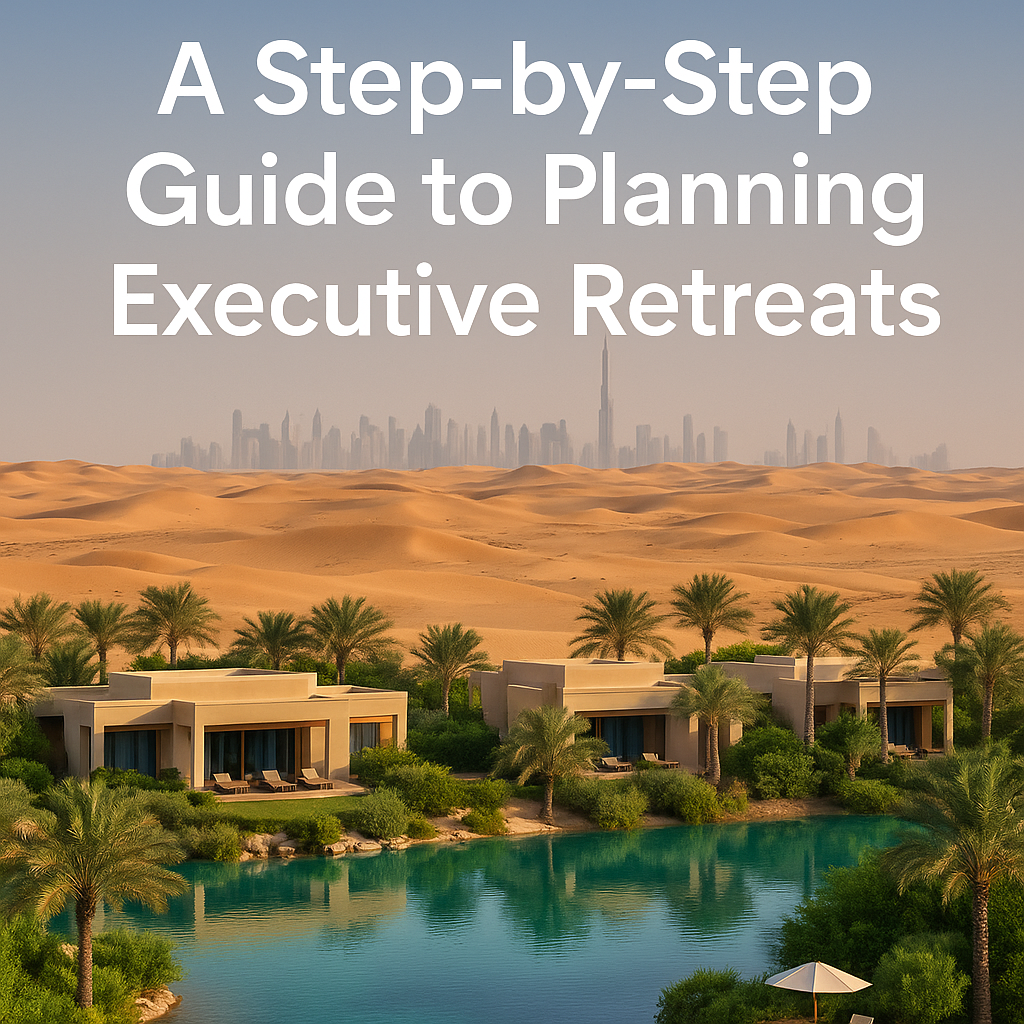
In today’s high stakes business environment, executive retreats have evolved into powerful tools for organizational strategy, leadership alignment, innovation, and rejuvenation. These exclusive getaways offer a unique setting for C-level executives to connect, collaborate, and chart the future without the distractions of daily operations. However, planning an effective executive retreat is a complex task that demands strategic foresight, attention to detail, and a deep understanding of your leadership team’s expectations. Whether you’re planning a high level C-level retreat, a Dubai leadership event, or a luxury corporate getaway, this guide will walk you through every essential aspect of executive retreat planning from defining objectives and scouting venues to curating experiences that inspire. Why Executive Retreats Matter 1. Strategic Alignment Executive retreats provide time and space for leadership teams to realign on long term goals, company vision, and strategic initiatives. 2. Leadership Development They create an immersive environment for leadership growth, collaborative problem solving, and critical thinking. 3. Relationship Building By removing office walls and formal hierarchies, retreats allow C-level teams to foster trust and camaraderie in more relaxed settings. 4. Innovation Incubation Executive retreats often serve as think tanks where bold ideas can surface and evolve outside the pressures of day to day management. Step-by-Step Executive Retreat Planning Guide Step 1: Define the Retreat Objectives Before booking villas or planning five star dinners, align internally on what you want to achieve: Tip: Make objectives measurable e.g., develop a 3 year growth roadmap, realign leadership roles, or launch a new business unit. Step 2: Determine the Attendee List Retreats must remain intimate for them to be effective. The typical executive retreat includes: Group Size: Ideal is between 6 and 15 people. Step 3: Set a Realistic Budget Your budget will determine everything location, accommodation, speakers, catering, and activities. Be sure to factor in: Pro Tip: Build a contingency of 10–15% for last-minute upgrades or emergencies. Step 4: Choose the Right Destination Your destination sets the tone for the entire experience. For Dubai leadership events, consider the following venues: Popular Executive Retreat Destinations in Dubai: Other top global destinations: Step 5: Plan the Itinerary Design a balanced itinerary that includes strategy, wellness, recreation, and luxury. Sample 3-Day Executive Retreat Agenda: Time Activity Day 1 09:00 AM Arrival & Welcome Breakfast 11:00 AM Opening Strategy Session 01:00 PM Gourmet Lunch 03:00 PM Workshop: Business Transformation 06:00 PM Sunset Yacht Cruise (Networking) 08:00 PM Private Chef Dinner Day 2 07:30 AM Morning Yoga or Desert Safari 09:00 AM Breakfast 10:00 AM Breakout Sessions (Sales, Ops, etc.) 01:00 PM Beach BBQ Lunch 03:00 PM Team Building Challenge 05:00 PM Fireside Chat with Guest Speaker 07:30 PM Dinner at Michelin-Star Restaurant Day 3 08:00 AM Breakfast + Closing Session 10:00 AM Group Feedback & Action Plan 12:00 PM Checkout and Departures Step 6: Select a Professional Facilitator Hiring a facilitator keeps the retreat on track. Look for: In Dubai, several firms specialize in executive coaching and leadership development tailored for corporate retreats. Step 7: Curate Executive-Level Experiences C-suite leaders expect exclusivity. Integrate high-end experiences such as: Step 8: Focus on Team Building High-level leaders also benefit from soft-skill alignment. Executive team-building ideas include: Step 9: Handle Logistics and Operations Don’t underestimate the importance of seamless logistics. Consider working with an event management company in Dubai with experience in corporate and executive retreats. Tasks to manage: Step 10: Evaluate and Follow Up After the retreat: Mistakes to Avoid Executive Retreat Planning in Dubai: A Unique Opportunity Dubai is uniquely positioned for executive retreat planning thanks to: Whether you’re planning for a C-level retreat or a leadership offsite, Dubai offers a sophisticated infrastructure, unique experiences, and flawless execution opportunities for corporate gatherings at the highest level. Executive Retreat Planning Checklist Frequently Asked Questions (FAQs) What is an executive retreat? An executive retreat is a high-level offsite meeting designed for company leaders to strategize, bond, innovate, and recharge in a distraction-free environment. How long should an executive retreat last? Most executive retreats last between 2 to 4 days. This duration offers enough time for strategic discussions, team bonding, and relaxation without overextending time away from business operations. What is the ideal number of participants? 6–15 is ideal for focused discussion, personal engagement, and flexibility in planning activities. How much does an executive retreat cost? It depends on location, group size, duration, and activity level. On average, a luxury executive retreat in Dubai may range from USD $2,000 to $6,000 per person for a 3-day retreat. How far in advance should we plan? For international executive retreats, plan at least 3–6 months in advance. Booking early ensures access to premium venues and experiences. What are the top team-building activities for executive retreats? Should we hire an event planner? Absolutely. Professional planners with executive-level experience can handle logistics, curate elite experiences, and ensure a seamless event from end to end. Planning an executive retreat is not just about luxurious settings it’s about creating space for vision, leadership, and meaningful connection. With proper planning, the right destination, and a well curated experience, your retreat can become a pivotal turning point for your organization’s future. For companies in the Middle East and beyond, Dubai remains a top-tier destination for transformative executive retreats offering world class hospitality, cultural richness, and limitless opportunities for strategic growth.
How to Plan a High-Impact Executive Roundtable
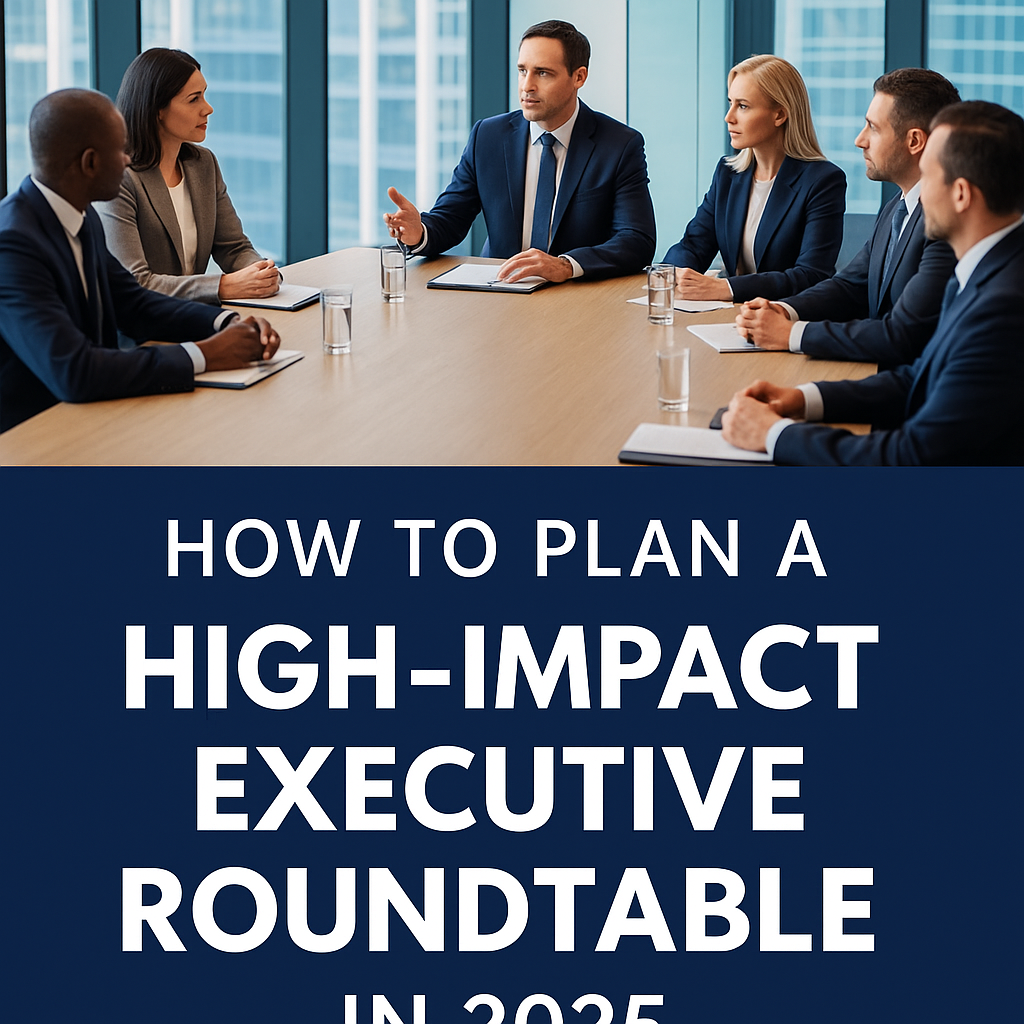
In 2025, executive roundtables are more than just formal gatherings they are strategic platforms for high-level discussions, collaborative innovation, and brand positioning. Whether you’re hosting C-suite leaders, key clients, or thought leaders, a well-orchestrated roundtable can elevate your business credibility, spark valuable insights, and drive impactful partnerships. So, how do you create a high-impact executive roundtable? Here’s your comprehensive guide to curating an experience that resonates with decision-makers and leaves a lasting impression. 1. Define the Objective with Precision Start by identifying why you’re hosting the roundtable. Is it to: A clearly defined objective ensures the agenda, speakers, and discussions align with your strategic goals. 2. Curate an Exclusive Guest List Executive roundtables thrive on quality over quantity. Limit the group to 10–20 senior-level participants who bring value to the conversation. Use titles such as: Ensure diversity in industries and viewpoints for dynamic dialogue. 3. Select a Venue That Reflects Prestige and Purpose Venue plays a critical role in setting the tone. For high-level roundtables, consider: Ensure privacy, excellent service, AV support, and comfort. 4. Craft a Thought-Driven Agenda Design a laser-focused, time-efficient agenda around: Incorporate moderation by an industry expert or facilitator to guide meaningful conversation and ensure balanced participation. 5. Use Content to Drive Authority Pre-event: Post-event: This positions your business as a catalyst for smart discussions and innovation. 6. Provide High-Touch Hospitality The smallest details matter: These gestures elevate the perceived value of the experience. 7. Follow-Up Strategically Post-event engagement is where the magic happens: Turn the momentum of the roundtable into lasting business outcomes. 8. Measure the Impact Track ROI through: Document success to refine future events and improve ROI. Facts Planning an executive roundtable in 2025 isn’t just about logistics it’s about curating an environment for transformation, innovation, and leadership. When done right, it becomes a powerful tool for brand positioning, strategic dialogue, and long-term relationship building. Whether you’re a corporate leader in Dubai or a global enterprise, these best practices will help you deliver a roundtable experience that resonates and returns.