How to Craft a High-End Private Dinner for Clients
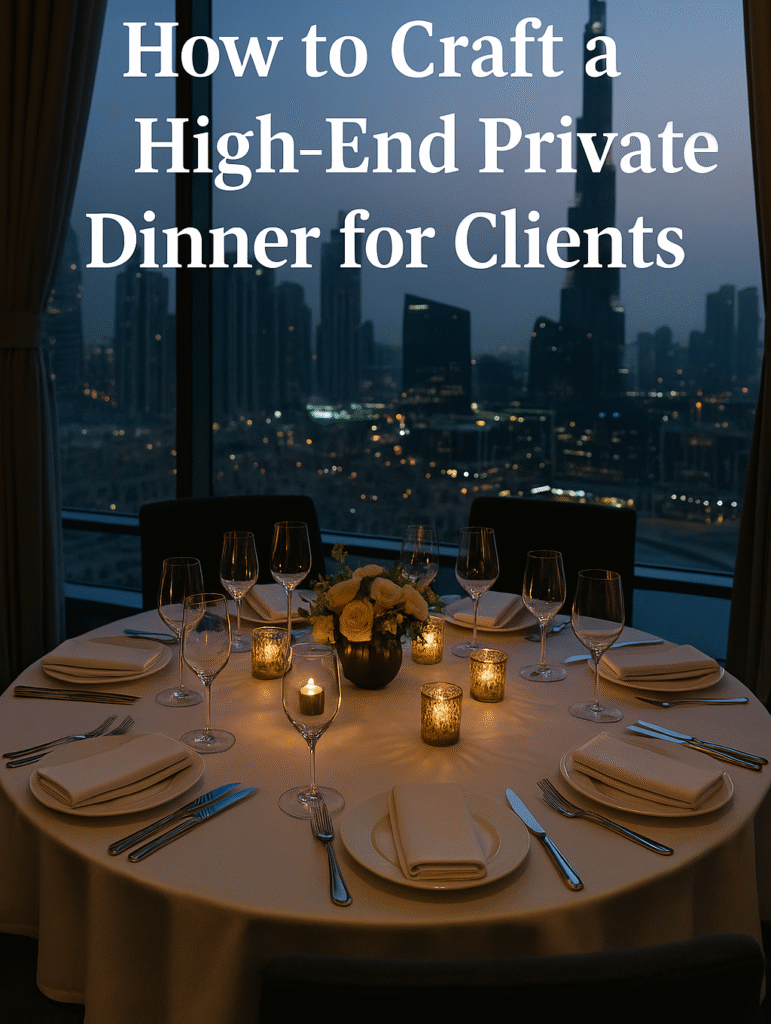
In the competitive landscape of client relations, a well-curated private dinner can do more than impress it can convert, retain, and deepen valuable business partnerships. In a market like Dubai, known for its opulence and attention to detail, planning a high-end dinner experience requires precision, creativity, and an acute understanding of luxury hospitality. Here’s a detailed guide on how to craft a high-end private dinner that resonates with your brand and leaves a lasting impact on clients. 1. Define the Objective and Guest Profile Start by understanding the purpose of the dinner is it client acquisition, celebration of a milestone, investor relations, or strengthening existing ties? This shapes every decision from venue to menu. Know your guests their preferences, cultural sensitivities, dietary requirements, and professional standing. Pro Tip: Personalization is key. For high-profile clients, even a small gesture like custom place cards or welcome notes can go a long way. 2. Select a Premium Venue Dubai boasts a range of luxurious options from penthouse suites with skyline views to private beachfront villas. Opt for venues with exclusivity, privacy, and ambiance. Partner with high-end restaurants or hospitality brands offering private chef experiences or curated dining rooms. Recommended Venues in Dubai: 3. Engage Top-Tier Catering and Mixology Food and beverage form the heart of any dinner event. Work with Michelin-starred chefs or top catering services who can deliver a multi-course menu that is as visually stunning as it is flavorful. Include mixologists who craft personalized cocktails and non-alcoholic pairings. Menu Tips: 4. Design the Experience with Ambience and Decor Think beyond floral arrangements. A high-end dinner demands cohesive aesthetic planning mood lighting, elegant table settings, and themed decor. Use high-quality linens, bespoke dinnerware, and ambient candles or LED lighting. Enhance with: 5. Add Experiential Touchpoints Luxury is in the details. Offer guests personalized keepsakes such as monogrammed gifts, luxury chocolate boxes, or handwritten thank-you notes. Consider adding entertainment like a private performance or live culinary station. Experience ideas: 6. Ensure Impeccable Service and Logistics From valet to server etiquette, every touchpoint should reflect professionalism and grace. Train the staff on guest names, seating arrangements, and special instructions. Use a dedicated concierge or event manager to oversee smooth execution. Logistics Essentials: 7. Follow-Up Matters The dinner may end, but the relationship shouldn’t. Within 48 hours, follow up with a thank-you message, photos (if appropriate), and any deliverables discussed during the event. CRM Integration Tip: Log insights from conversations to personalize future engagements and identify potential business leads. Benefits of Hosting High-End Client Dinners Facts In Dubai’s high-stakes business environment, hosting a high-end private dinner can be a game-changer. It signals sophistication, thoughtfulness, and attention to relationship-building. By focusing on personalization, quality, and seamless execution, you can turn a simple dinner into a powerful brand experience.
Using AR/VR to Elevate Live Event Experiences
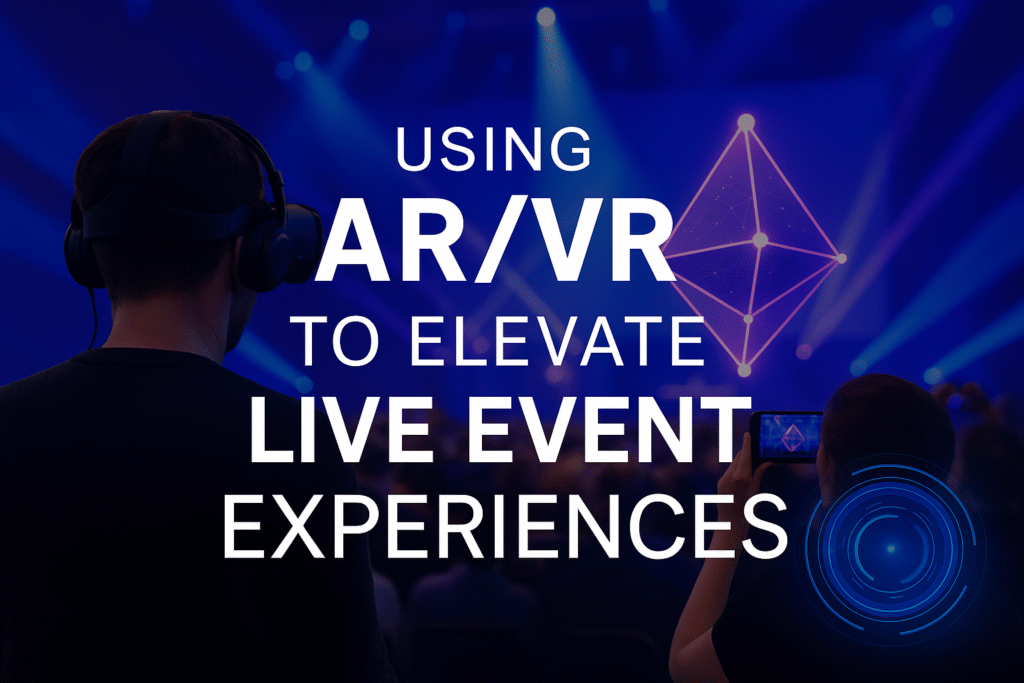
In the high-energy world of live events, staying ahead means creating experiences that are immersive, memorable, and technologically superior. Augmented Reality (AR) and Virtual Reality (VR) have become central to this mission, especially in cities like Dubai renowned for its innovation-forward event landscape. From brand activations to mega exhibitions, AR and VR are revolutionizing how attendees interact, engage, and remember events. Why AR/VR Matters in the Dubai Event Scene Dubai is a hub for international expos, conferences, and experiential events. With tech-savvy audiences and high client expectations, AR/VR has emerged as a solution to deliver high-impact experiences that go beyond traditional setups. AR and VR are no longer futuristic concepts; they are present-day tools redefining event planning, execution, and attendee interaction. Key Benefits of AR/VR in Live Events 1. Immersive Brand Storytelling AR/VR enables brands to bring their narrative to life through interactive 3D environments. Whether it’s a product launch or a corporate event, VR simulations can immerse attendees in a virtual brand world. 2. Enhanced Attendee Engagement Gamified AR activations, interactive wayfinding, and immersive photo booths encourage deeper audience participation, making events more memorable. 3. Virtual Venue Walkthroughs For hybrid or remote participants, VR walk-throughs replicate the physical venue, allowing for virtual attendance that mimics the live experience. 4. Data Collection and Analytics AR/VR tools offer advanced analytics such as gaze tracking, interaction hotspots, and dwell time providing organizers with deep insights into attendee behavior. 5. Hybrid Event Amplification With AR/VR, hybrid events can go beyond live-streaming. Remote guests can participate in VR exhibitions, attend breakout rooms, or explore virtual showrooms. Real-World Applications in Dubai Events AR in Trade Show Booths Many exhibitors at Dubai World Trade Centre are using AR for interactive product demonstrations overlaying specs, animations, or 360° views when attendees scan items. VR in Real Estate and Automotive Launches From VR property tours at real estate expos to immersive test-drives at auto shows, VR is enabling try-before-you-buy experiences without needing large physical setups. Virtual Venue Staging Event planners use VR to show clients exactly how stage setups, lighting design, and decor will appear saving time and minimizing design miscommunications. Technologies Powering the Shift Partnering with tech-enabled event vendors in Dubai ensures seamless deployment and support of these systems. Best Practices for Integrating AR/VR into Your Event Challenges and Considerations Future of AR/VR in Dubai’s Event Industry With the UAE’s investments in immersive tech and smart cities, the future is bright for AR/VR in events. As Expo City Dubai continues to host global experiences and smart venues rise across the emirates, AR/VR will become a staple in high-impact event design. Facts The integration of AR and VR is no longer optional for future-focused event planners in Dubai. It’s an essential strategy to captivate modern audiences, differentiate from competitors, and offer experiences that merge physical and digital realities. When used right, AR/VR isn’t just tech it’s transformative storytelling.
How to Maximize Space at Trade Shows
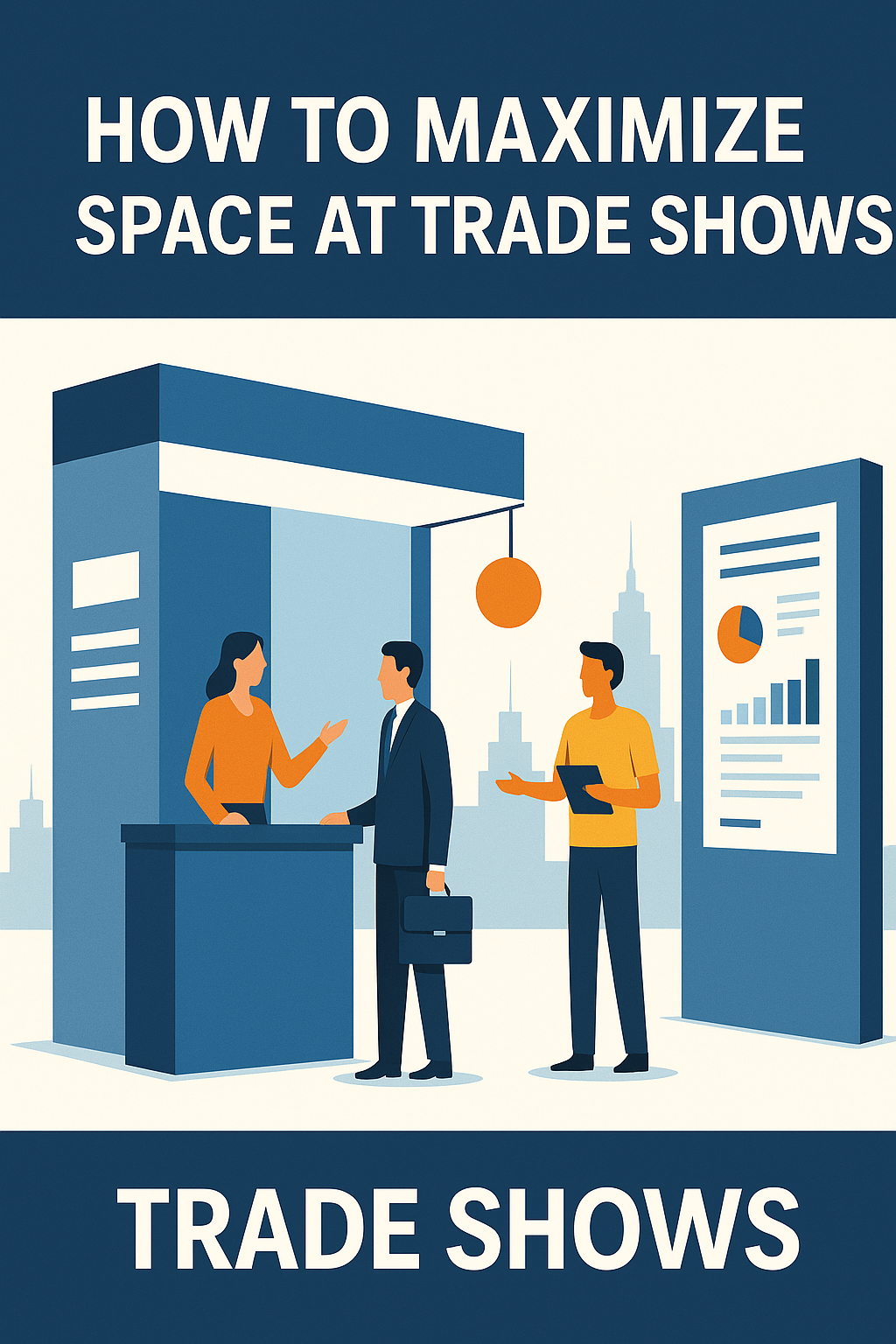
Maximizing space at trade shows is not just a matter of physical setup it’s about maximizing visual impact, user flow, brand engagement, and ROI in limited square footage. In bustling exhibition halls across Dubai where innovation meets luxury and global brands compete for attention how you use your booth space can define your success. Here’s a complete guide to making every square meter count. 1. Set Clear Objectives Before Design Before even thinking about layout, understand your goals. Are you there to: Once your goals are clear, you can tailor the space accordingly emphasizing demo areas, meeting zones, or digital displays as needed. 2. Choose Modular and Multi-Functional Furniture Opt for modular furniture that can serve multiple purposes like storage-integrated counters, collapsible seating, and digital kiosks with hidden shelving. In compact spaces, flexibility is power. Pro Tip: Use vertical space for shelving or hanging banners instead of expanding outward. 3. Leverage Vertical Real Estate Many trade show exhibitors neglect the power of height. Use tall branded towers, overhead signage, digital screens, and vertical lighting rigs to attract attention from a distance and reduce ground-level clutter. 4. Integrate Technology Large touchscreens or tablets mounted on walls save floor space and offer interactive engagement. Also consider: This minimizes the need for bulky product displays or printed materials. 5. Use Lighting to Define Zones Smart lighting can separate areas for product display, consultations, or casual browsing even in small booths. LED strips, spotlights, and floor lighting create visual flow without walls or dividers. 6. Declutter Visually and Physically Clean, minimal design allows your brand to stand out and feel more spacious. 7. Go Digital with Lead Capture Replace traditional sign-up forms and business card drops with tablets or NFC tech. This reduces the need for tables and paperwork while streamlining follow-up. 8. Smart Flooring Choices Use flooring to subtly guide foot traffic. Raised platforms or textured rugs can: 9. Staff Strategically A smaller space means your team must be well-trained to engage efficiently. Assign clear roles (greeter, product expert, scheduler) and avoid crowding the booth with too many staff. 10. Pre-Show Visualization & Testing Use 3D design tools or AR previews to simulate how the booth will look and function. Consider testing it at your office or a warehouse to ensure functionality and flow before showtime. Bonus Tips for Dubai-Specific Shows: Facts Your trade show footprint doesn’t define your impact your strategy does. By being intentional, tech-savvy, and design-smart, you can transform a compact space into a powerful brand showcase. In Dubai’s competitive trade show environment, these details make all the difference.
Planning a VIP Networking Event in Dubai
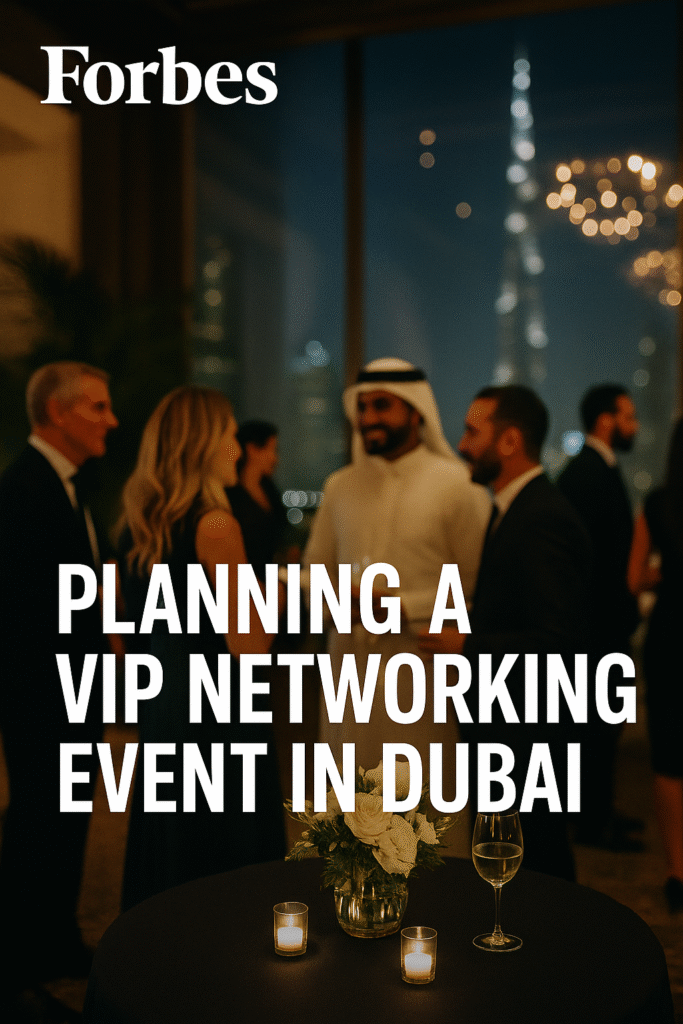
Dubai has evolved into a global epicenter for business, luxury, and networking. With its unmatched hospitality, iconic venues, and influx of international business leaders, it’s the ideal stage for VIP networking events. Planning such high-caliber gatherings demands precision, personalization, and prestige. Here’s a comprehensive guide to executing a VIP networking event in Dubai that impresses, connects, and delivers ROI. 1. Define Strategic Objectives First Before selecting a venue or sending invitations, clearly identify the event’s goals: This clarity will inform every decision guest list, format, branding, and even F&B selection. 2. Curate an Elite Guest List In VIP events, quality > quantity. Aim to invite: Use personalized invitations with a tailored message and follow up with white-glove RSVP management preferably through a branded concierge service. 3. Choose an Iconic, Private Venue Dubai offers an array of venues that reflect prestige and privacy: Make sure the venue offers exclusivity, high-end tech capabilities, valet parking, and exceptional service. 4. Personalized Experiences and Activations VIP guests expect more than luxury they expect thoughtful personalization: Entertainment should be tasteful think classical quartets, jazz trios, or spoken word artists, not loud DJs. 5. Catering and Beverage Excellence This is not the place for a buffet. Consider: Attention to presentation and service flow is essential. 6. Security and Guest Privacy For elite gatherings, discretion is key: Use secure QR-coded digital badges for access control and smart guest tracking. 7. Luxury Gifting and Takeaways Offer meaningful luxury gifts: 8. Follow-up & Relationship Building Post-event strategy is vital: Leverage CRM tools and engagement analytics to nurture these high-value connections. Final Thoughts A VIP networking event in Dubai isn’t just about splendor it’s about precision alignment of brand, experience, and business intent. When executed well, these events create powerful emotional connections and open doors to long-term strategic partnerships. At Celestine Event, we specialize in curating such elite experiences that align with your brand DNA while reflecting Dubai’s world-class hospitality.
How to Plan a Pop-Up Experience That Drives ROI
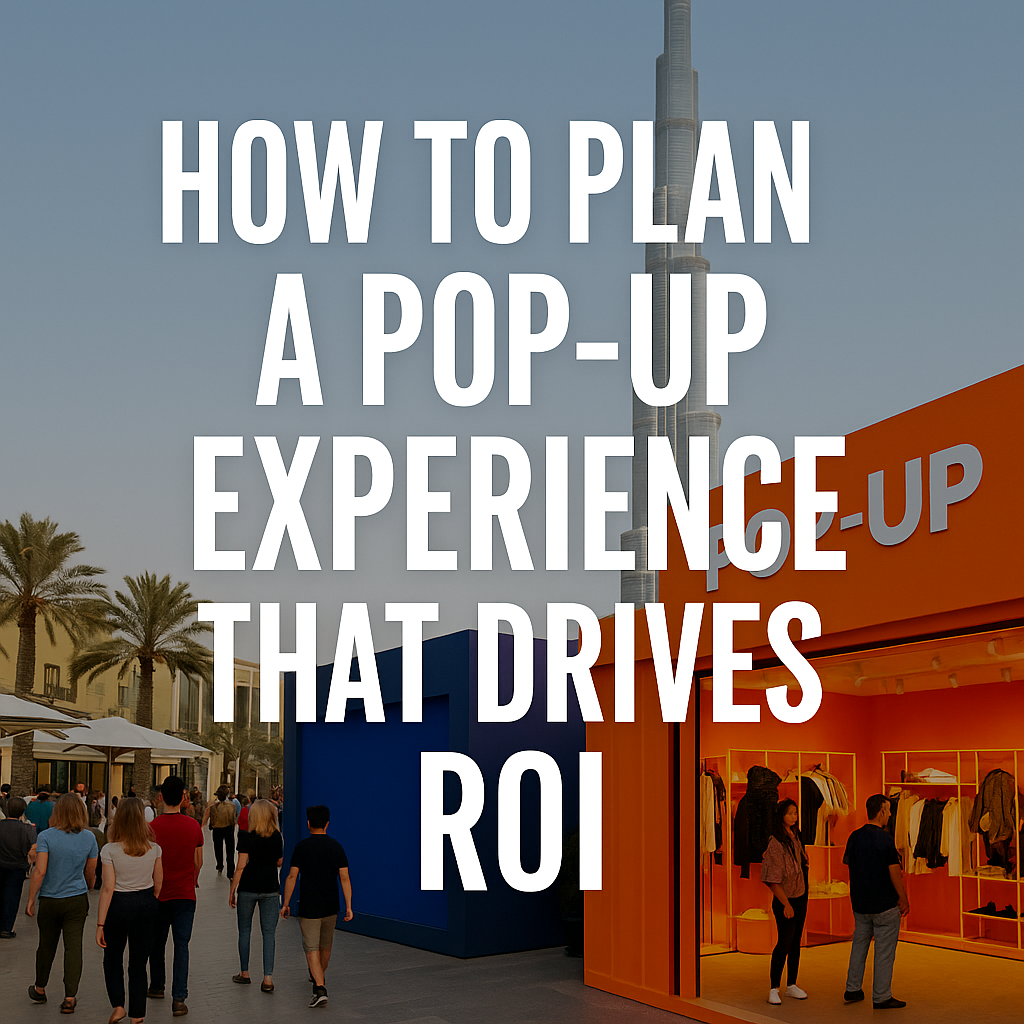
In today’s experience-driven economy, pop-up events are no longer just trendy marketing tactics they’re strategic brand experiences that can generate serious return on investment (ROI) when executed with precision. Whether you’re a retail brand, tech innovator, or B2B enterprise, Dubai’s dynamic market offers an ideal setting for immersive pop-up experiences that convert curiosity into loyalty and engagement into revenue. Here’s how to plan a high-impact pop-up that not only attracts attention but delivers measurable business results. 1. Define Your Goals and Metrics for ROI Before you scout locations or brainstorm concepts, clarify your purpose. Are you: ROI Metrics to Track: Pro tip: Set KPIs upfront and integrate tools (like QR codes, NFC, and lead capture apps) to track data in real time. 2. Choose a Strategic Location in Dubai Location is everything for a pop-up. In Dubai, choose a spot aligned with your audience and business objective. Top Pop-Up Locations in Dubai: 3. Design with Experience in Mind A pop-up must be more than a booth or store. It needs to be experiential and shareable. Key Design Elements: Dubai audiences value luxury and innovation combine both in your design to stand out. 4. Incorporate a Strong Digital Component A well-integrated digital strategy extends the life and reach of your pop-up. Digital ROI Drivers: Ensure all digital assets link back to measurable goals such as newsletter signups, downloads, or purchases. 5. Engage the Right Partners and Vendors From AV suppliers to production managers, choosing the right vendors in Dubai can make or break your event. Key Vendor Checklist: Work with Dubai-based agencies that understand the market, logistics, and compliance requirements. 6. Create a Post-Event Conversion Funnel What happens after your pop-up is equally critical. Post-Event ROI Tactics: Nurture leads beyond the pop-up to truly maximize ROI. 7. Budget Smartly, Measure Aggressively ROI doesn’t always mean sales it could be brand awareness, lead gen, or new partnerships. Example ROI Breakdown: Facts A pop-up in Dubai is more than a short-term stunt it’s a brand opportunity with long-term value. By aligning strategic goals with creative execution and using data to track ROI, brands can turn temporary activations into lasting business impact.
Planning Corporate Events for Multinational Teams
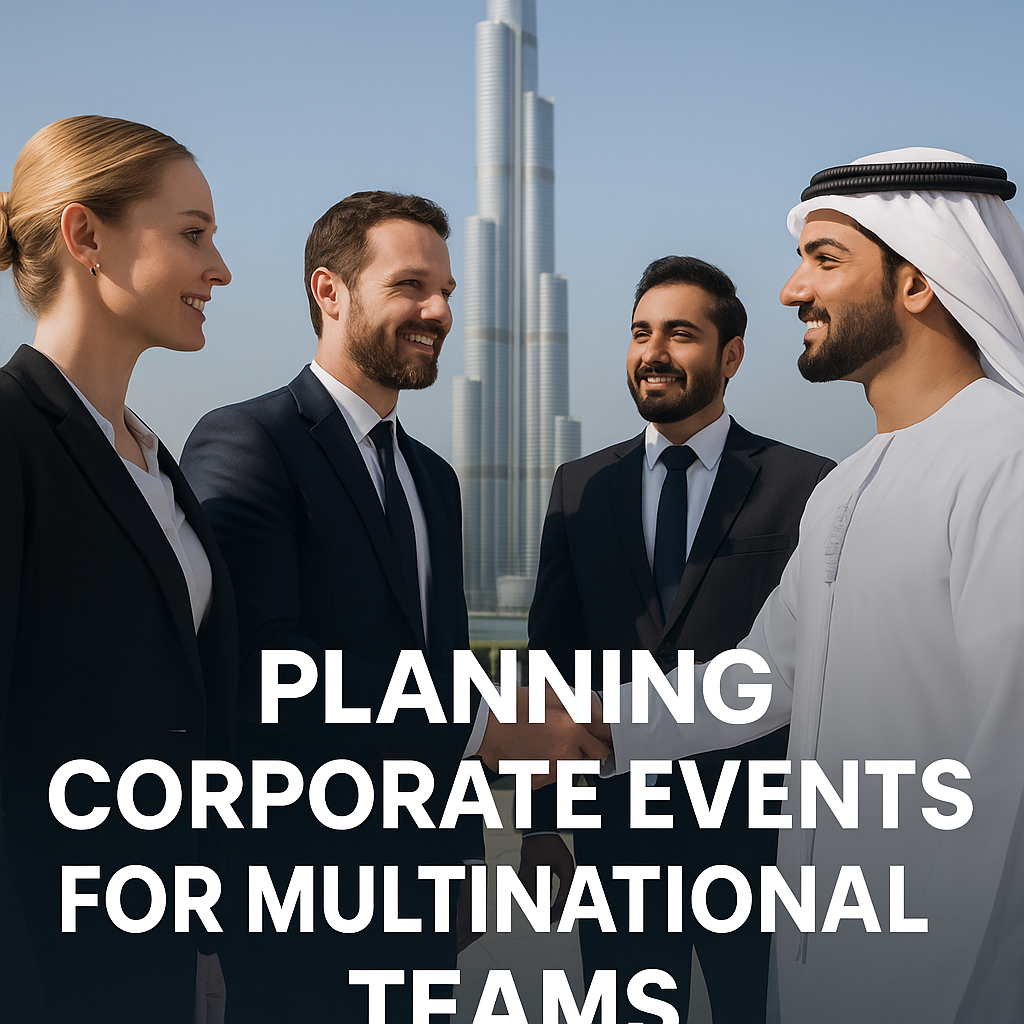
Dubai, as a cosmopolitan hub, is home to thousands of multinational corporations and international teams. Organizing corporate events in such a vibrant and culturally diverse environment demands more than just good logistics it requires strategic cultural sensitivity, clear communication, tailored experiences, and attention to the preferences of global attendees. In this article, we explore how to plan successful corporate events for multinational teams in Dubai, ensuring alignment with business goals while respecting the cultural nuances that make these teams unique. 1. Understanding Cultural Diversity in the UAE Workplace Dubai’s workforce includes professionals from the Middle East, South Asia, Europe, East Asia, North America, and Africa. This multicultural makeup brings richness but also potential challenges in communication, expectations, and engagement styles. Key Considerations: Tip from Celestine: Start every event plan by mapping out your attendees’ regional representation, and tailor tone, format, and experience accordingly. 2. Pre-Event Planning: Localization with a Global Standard While Dubai is an international city, not all guests are familiar with local customs and regulations. Planning should blend Dubai’s standards with global expectations. Best Practices: 3. Content & Programming: Keep It Globally Relevant Your message should resonate across geographies, with inclusive storytelling and universally engaging formats. Content Tips: Celestine Insight: Use technology like live translation apps, AR subtitles, or multilingual polling tools to ensure everyone stays engaged. 4. Catering & Entertainment: Blend Local & Global Tastes Dubai excels at offering world-class international cuisine, but it’s important to balance familiarity with cultural exploration. Smart Catering Choices: Entertainment: 5. Logistics for Multinational Attendance From flight planning to visa processing and airport transfers, international guest logistics are a major part of planning success. Checklist: Bonus: Work with a Dubai-based DMC (Destination Management Company) like Celestine Event to ensure all details are culturally compliant and smoothly executed. 6. Measuring Success Across Cultures Success metrics should account for cultural differences in feedback style and engagement. Post-Event Strategy: Final Takeaway: The Future of Corporate Events is Cross-Cultural As Dubai continues to host the world’s leading multinationals, planning events for international teams will remain a critical skill. A successful event isn’t just about smooth logistics it’s about creating an atmosphere of trust, inclusivity, and shared purpose across cultures. At Celestine Event, we specialize in creating seamless, high-impact experiences that unify global teams blending strategic goals with localized execution for a truly memorable event.
How to Create Buzz with Pre-Event Hype Strategies
Creating anticipation isn’t just about promotion it’s about building emotional investment. When people feel connected and excited beforehand, they are more likely to attend, engage, share, and remember. Benefits of a strong pre-event hype campaign: Best Pre-Event Hype Strategies to Implement 1. Teaser Campaigns with Countdown Mechanics Use social media, email, and websites to release sneak peeks, teasers, or behind-the-scenes content. A countdown timer can add a psychological trigger for urgency. Tactics to try: 2. Collaborate with Influencers & Partners Team up with industry influencers, past attendees, or keynote speakers to co-create content and build credibility. Why it works:Their audiences trust them, and their excitement can translate into real interest and reach. 3. Leverage User-Generated Content (UGC) Encourage followers or past attendees to share what they’re excited about, using a branded hashtag. Tips: 4. Create FOMO Through Limited Access Nothing generates hype like the fear of missing out. Offer limited early bird tickets, VIP access, or exclusive experiences to amplify urgency. Sample Tactics: 5. Pre-Event Engagement via Email and Retargeting Automated email drip campaigns and retargeting ads keep your event top-of-mind. Personalize the messaging based on audience behavior and registration status. Don’t forget: 6. Launch Interactive Experiences Before the Event Virtual meetups, quizzes, or AR filters can increase engagement while providing shareable moments. Ideas: Timeline for Executing a Pre-Event Hype Strategy Time Before Event Action Item 6–8 weeks Announce the event and open registrations 5 weeks Start teaser campaigns and influencer outreach 4 weeks Launch limited offers or early bird access 3 weeks Begin social media countdown and email sequences 2 weeks Publish UGC campaigns and virtual pre-events 1 week Release behind-the-scenes content and speaker highlights Final 72 hours Use high-frequency reminder emails and retargeting Facts The modern event journey starts long before your guests step into the venue. An effective pre-event hype strategy sets the tone for an unforgettable experience. By integrating digital tools, emotional storytelling, influencer marketing, and strategic timing, brands can generate buzz that not only fills seats but also builds long-term loyalty.
The Power of Lighting in Brand Storytelling
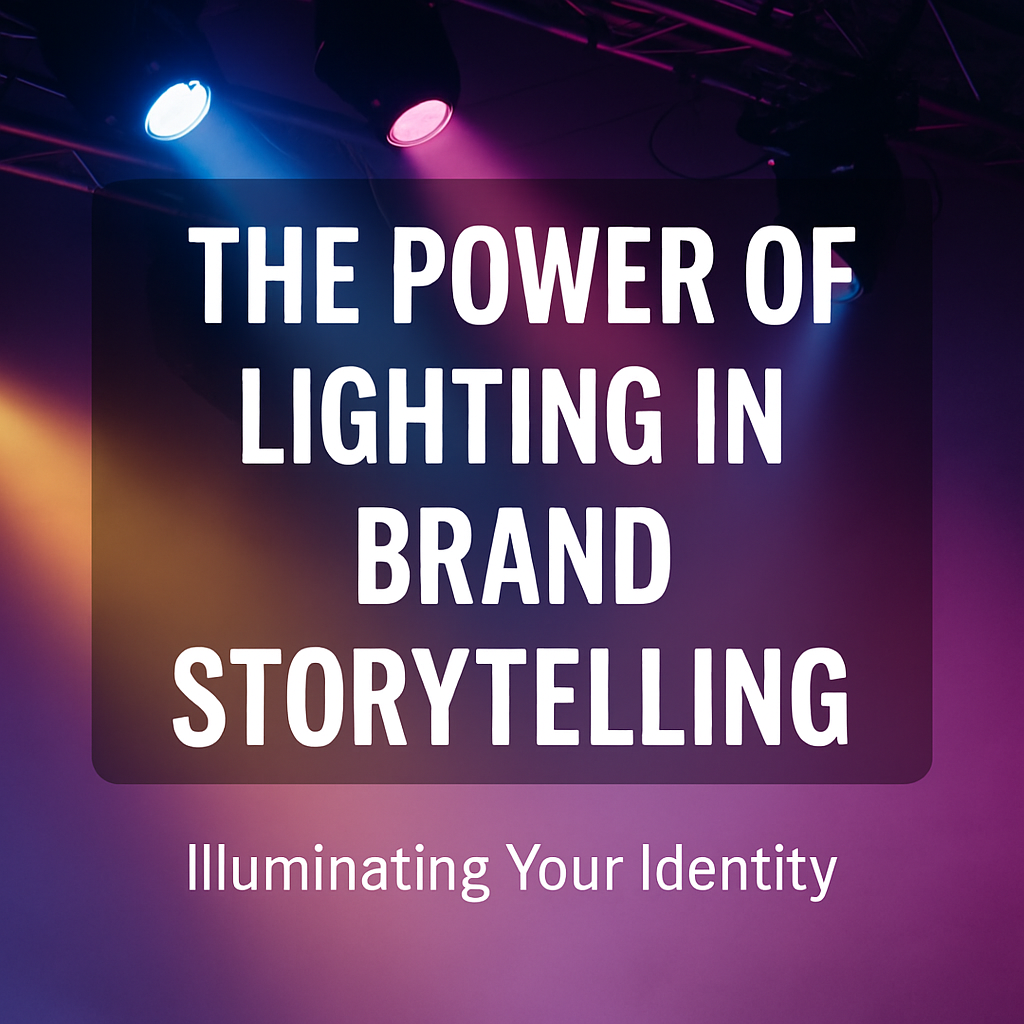
In today’s experience-driven world, lighting is no longer just a technical necessity it’s a storytelling superpower. Whether in retail spaces, corporate events, product launches, or exhibitions, the way a brand uses light shapes perception, triggers emotion, and reinforces messaging. In the saturated visual marketplace of 2025, lighting in brand storytelling plays a pivotal role in how your audience connects with your brand. Here’s how you can leverage it for maximum impact. Why Lighting Matters in Brand Experience Lighting is one of the most immediate and powerful tools to shape atmosphere. A warm, amber glow can evoke intimacy and trust. Stark white light can highlight precision and cleanliness. Color shifts can signal brand transitions or emotional beats. All of these influence how a customer feels and feels about you. Brand Alignment Through Light Every brand has a personality. Apple communicates minimalism and innovation, often using cool, clean lighting. Red Bull goes bold and energetic, favoring saturated colors and dynamic lighting shifts. Your lighting design must mirror your core brand values not just illuminate the space. Emotional Triggers Color psychology and brightness levels affect emotional states. Want guests to feel inspired? Go for blues and purples with gradual brightness. Hosting a luxury gala? Accent lighting, golden hues, and spotlit elements elevate perceived exclusivity. Practical Applications in Brand Storytelling 1. Event Experiences From corporate conferences to product reveals, lighting sets the mood. A darkened stage with a sharp spotlight can introduce a CEO with authority. A slow lighting build-up can dramatize a product launch, creating anticipation. 2. Retail & Pop-Ups Dynamic lighting that responds to movement, time of day, or product interaction invites customers to linger and engage. This not only elevates the shopping experience but extends brand narrative into physical space. 3. Video & Digital Campaigns Consistent lighting styles across brand videos and ads (cool tones for tech, warm tones for artisanal brands) create a subconscious thread that boosts brand recall. 2025 Trends in Lighting and Brand Storytelling ✦ Sustainable LED Innovation Eco-conscious consumers care about how your lighting impacts the environment. In 2025, energy-efficient smart lighting systems aren’t optional they’re expected. ✦ Immersive and Reactive Environments Expect more interactivity. Lighting that shifts with audience behavior or responds to sound creates immersive storytelling environments. ✦ Projection Mapping as Narrative Canvas By blending light and motion graphics onto 3D surfaces, brands can tell layered stories using architecture as the medium. 5 Pro Tips for Using Lighting in Brand Storytelling Facts In 2025, lighting is not a backdrop it’s the storyteller. When brands harness lighting purposefully, they create emotional connections that go beyond words and visuals. If you’re planning your next campaign, product reveal, or flagship event, start with this question: What does your brand feel like in light?
What Makes a Product Launch Truly Unforgettable?

In today’s competitive business environment, launching a product is more than just unveiling something new it’s about creating a moment. A truly unforgettable product launch doesn’t just showcase your offering it tells a compelling story, connects emotionally with your audience, and reinforces your brand’s vision. Whether you’re unveiling cutting-edge technology, an eco-conscious lifestyle product, or a luxury innovation, your launch event can make or break public perception. Here’s how to ensure yours stands out in 2025. 1. Craft a Compelling Story Around the Product The most memorable launches tell a story. Great storytelling doesn’t just focus on what the product is, but why it matters. Consider Apple’s product launches the narrative isn’t about specs, it’s about how their innovations fit seamlessly into your life. Your story should: Pro Tip: Use customer testimonials, visionary founder insights, and behind-the-scenes footage to add authenticity. 2. Choose the Right Format and Venue Location sets the tone. A high-impact launch should take place in a venue that reflects the product’s essence. A tech product might debut best in a modern minimalist space with LED visuals, while a luxury item might suit a heritage venue or private rooftop in Dubai. Also consider: 3. Make It Experiential and Interactive People don’t just want to see your product they want to experience it. Let them touch, use, and be inspired by it. Some high-impact ideas include: Dubai Tip: Partner with an event tech company to bring interactive installations to your launch. 4. Leverage Influencer and Media Power In 2025, content is currency. An unforgettable launch integrates social media virality and influencer reach from day one. Consider a live broadcast or post-event sizzle reel to reach a wider audience globally. 5. Post-Launch Engagement Strategy The launch event is only the beginning. Brands that leave a lasting impression follow up with: Don’t let the buzz fade capitalize on it. Facts A successful product launch is a brand-building opportunity. It’s not just about showcasing a new product it’s about sparking conversation, building loyalty, and amplifying your brand’s message. By combining storytelling, experience, strategy, and media power, your product launch can become a defining moment for your business.
Luxury Gala Dinners: From Concept to Execution
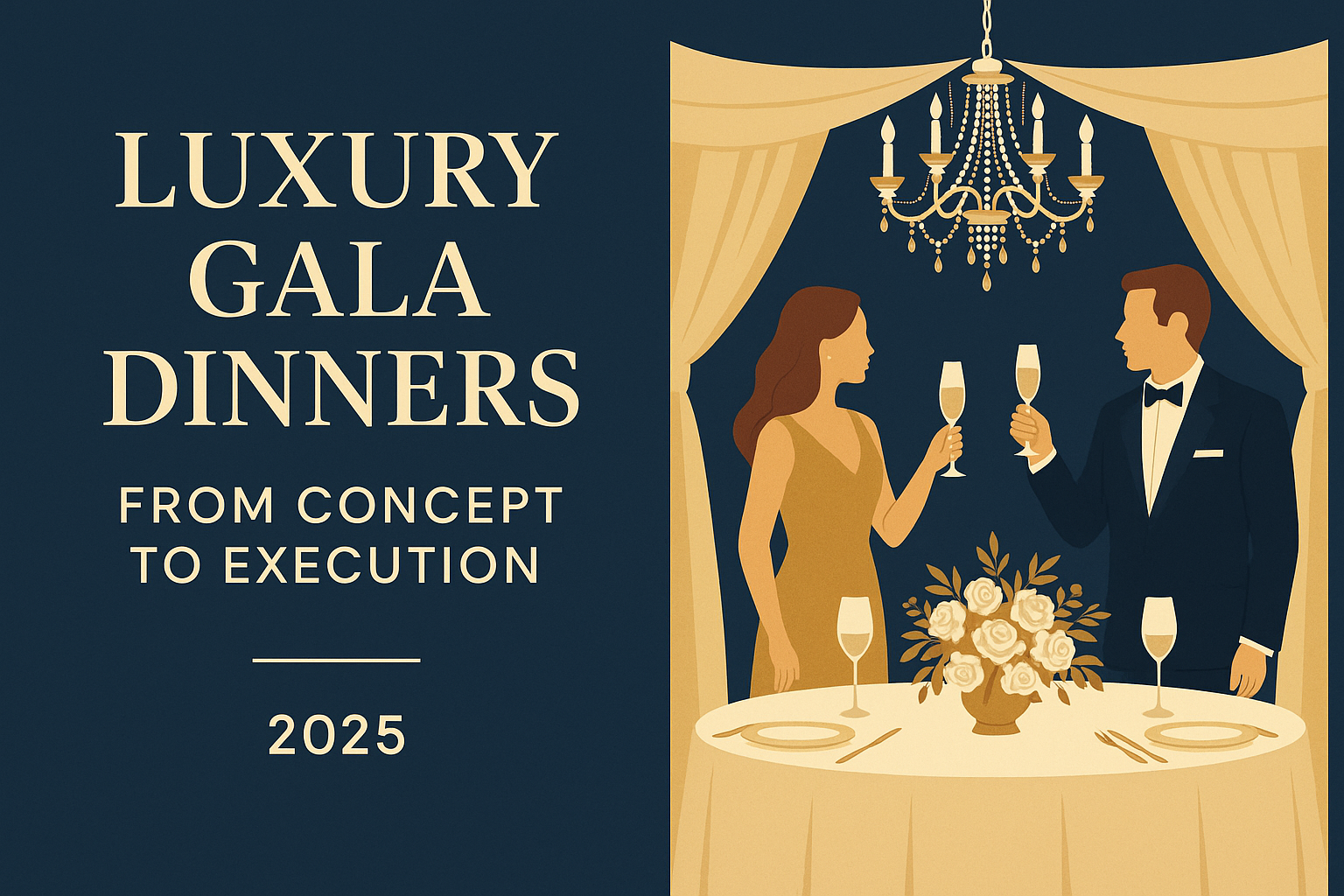
Luxury gala dinners are more than just events they’re immersive brand experiences that reflect status, sophistication, and purpose. Whether hosted to reward clients, recognize achievements, or raise funds, these gatherings serve as powerful platforms to build meaningful connections and elevate your brand image. Executing a high-end gala requires strategic planning, creativity, and precision. Here’s how to transform your idea into a world-class event from concept to curtain call. 1. Define Your Vision and Objectives Before the glamor and gourmet come into play, clarity of purpose is key. Identify the primary goal of the gala: Set measurable KPIs such as RSVPs, media coverage, social media reach, or fundraising goals. This helps guide decisions around budget, format, and creative direction. 2. Select the Perfect Venue In luxury events, location is everything. Choose a venue that mirrors the theme and status of your event. In Dubai, some elite choices include: Consider venues with: 3. Curate an Elevated Guest Experience From the moment guests receive their invites to the final goodbye, every touchpoint should exude elegance. Focus on: Surprise and delight with moments that make the evening memorable think live entertainment, luxury photo booths, or gourmet tasting stations. 4. Design for Impact: Décor and Branding Luxury lies in the details. Collaborate with top event stylists to craft a thematic ambiance that aligns with your brand message. Décor tips: 5. World-Class Dining and Entertainment No gala is complete without exceptional cuisine. Partner with celebrity chefs or luxury caterers to design a multi-course menu paired with fine wines. For entertainment, book: A perfectly choreographed evening schedule ensures seamless transitions and keeps guests engaged. 6. Leverage Technology and Media Make your event live beyond the ballroom: 7. Execute With Precision Your event planning team or agency should provide a minute-by-minute run-of-show. Assign clear roles, conduct rehearsals, and have contingency plans for AV glitches, speaker delays, or weather changes (especially for outdoor galas). 8. Post-Event Follow-Up and ROI Send thank-you notes, personalized recap emails, or highlight reels. Analyze data from: Use these insights to inform future events and deepen client relationships. facts Luxury gala dinners are the epitome of brand storytelling and relationship-building. By focusing on every detail from personalized invitations to unforgettable entertainment you create an evening that not only dazzles your guests but leaves a lasting brand impression. In a market like Dubai, where expectations are sky-high, meticulous execution is the true differentiator between a good event and a legendary one.