How to Plan a Cultural Festival for Brand Engagement

In Dubai’s competitive corporate landscape, where brand differentiation is crucial, cultural festivals have emerged as powerful platforms for brand engagement. These immersive events connect audiences with a brand’s values through celebrations of art, heritage, music, food, and storytelling. Hosting corporate cultural events in Dubai, a city known for its multiculturalism, offers brands a unique opportunity to foster authentic emotional connections with diverse audiences. From Emirati heritage days to international food and music festivals, these events enable companies to go beyond conventional marketing and into the realm of shared experience. In this guide, we’ll explore how to plan a successful cultural festival that strengthens brand presence while celebrating diversity. You’ll find event planning strategies, activation ideas, and risk management tips, all tailored for Dubai’s regulatory and cultural context. Why Cultural Festivals Work for Brand Engagement 1. Emotional Resonance Cultural events are deeply emotional. By aligning your brand with meaningful traditions and shared memories, you increase brand affinity and recall. 2. Inclusive Brand Messaging Multicultural experiences demonstrate your brand’s respect for diversity, attracting broader demographics and creating long-term loyalty. 3. Shareability & PR Potential Cultural festivals are visually vibrant, making them ideal for social media buzz, influencer collaborations, and earned media coverage. 4. Alignment with CSR Goals Supporting cultural heritage initiatives can align with your corporate social responsibility (CSR) strategy. In the UAE, heritage and identity are central values in society. Step-by-Step Guide to Planning a Cultural Festival in Dubai Step 1: Define Objectives & Audience Start with a clear understanding of: Example: A fintech company may host a Diwali-themed festival to engage Indian expat entrepreneurs while subtly showcasing digital finance products. Step 2: Curate a Meaningful Cultural Theme Avoid tokenism. Work with cultural consultants or artists to ensure authentic representation. Choose a theme that aligns with your brand values and audience. Popular themes in Dubai: Step 3: Secure Permits and Regulatory Approvals In Dubai, event permits are managed by the Dubai Department of Economy and Tourism (DET) along with relevant authorities including: Ensure your event complies with: Tip: Work with an experienced Dubai-based event planner familiar with the permit process. Step 4: Select a Strategic Venue Your venue sets the tone. Options include: Venue Type Best For Hotel Ballrooms Upscale Emirati or Indo-Arabic nights Beachfront Resorts Music and dance-focused festivals Public Parks Family-friendly multicultural fairs Art Galleries and Museums Artistic cultural activations Malls and Retail Areas Brand pop-ups with cultural themes Ensure the space supports accessibility, parking, AV setup, and safety requirements. Step 5: Design Engaging Brand Touchpoints Cultural festivals are ideal for brand storytelling. Consider these interactive elements: Cultural Installations Branded art zones, live painting, calligraphy corners. Performances Live music, traditional dance, poetry, or theatre aligned with the culture being celebrated. Food Tasting Zones Fusion or traditional cuisines served from branded food trucks or stalls. Photo Ops Culturally inspired selfie stations with subtle brand elements. Interactive Talks or Workshops Cooking demos, folklore sessions, traditional crafts hosted by local artisans or influencers. Step 6: Partner with Cultural Experts and Influencers Cultural events are judged on authenticity. Collaborate with: This ensures integrity and broadens organic reach. Step 7: Marketing and PR Strategy Use a multi-channel approach to build anticipation: Step 8: Event Day Execution Ensure flawless delivery through: Step 9: Post-Event Engagement Best Practices for Corporate Cultural Events in Dubai Respect Cultural Protocols Consult with UAE nationals or cultural advisors to avoid misrepresentation or offense. Diversify Within Unity When hosting a multicultural event, ensure balanced representation and avoid favoritism. Think Beyond National Days Explore lesser-known celebrations such as Nowruz, Baisakhi, or Africa Day to create a unique experience. Embed CSR Partner with nonprofit cultural organizations or support local artisans through sponsorship and vendor spaces. Challenges to Anticipate Challenge Solution Cultural missteps Involve cultural consultants early in planning Regulatory delays Start the permit process at least 8 weeks ahead Low turnout Use data-driven marketing and community outreach Weather extremes for outdoor events Opt for shaded venues or rent climate-controlled tents Budget constraints Explore co-sponsorship or brand partnerships Corporate Cultural Events Dubai – Case Inspiration Here are a few notable events to spark ideas: FAQs on Corporate Cultural Events in Dubai What is the purpose of hosting a cultural festival for a brand? A cultural festival allows brands to create emotional connections by aligning with meaningful cultural values. It enhances visibility, builds trust, and fosters loyalty in a non-commercial setting. How do I choose the right culture or theme for my corporate event? Choose a theme that aligns with your brand values, target audience, and cultural relevance in Dubai. Community engagement and data can guide your choice. Are there legal or religious sensitivities I should be aware of? Yes. Dubai has strict guidelines on public behavior, attire, and cultural representation. It’s essential to comply with UAE laws and customs. Obtain all necessary approvals in advance. How far in advance should I plan a corporate cultural festival in Dubai? Begin planning at least 3 to 4 months ahead, particularly when applying for public permits or booking high-demand vendors and performers. What budget should I allocate for a cultural brand activation? Budgets vary. For medium-sized events, plan for AED 150,000 to AED 500,000, depending on the venue, production quality, and performers. Cultural collaborations can help manage costs. Can a cultural event be hybrid or virtual? Yes. Segments such as performances, interviews, and culinary demonstrations can be streamed online to reach broader audiences and extend the event’s impact. Planning a cultural festival for corporate brand engagement in Dubai is an opportunity to combine authentic storytelling with strategic brand positioning. When executed well, these events leave lasting impressions that reflect not only your brand’s vision but also its respect for people and tradition. At Celestine Event, we create immersive brand activations that celebrate culture and creativity. Let’s collaborate on a cultural festival that engages hearts and elevates your brand.
Corporate Event Safety and Risk Management Best Practices
Corporate Event Safety and Risk Management Best Practices Corporate events in Dubai are more than high profile gatherings they are a testament to brand reputation, stakeholder relationships, and business excellence. Yet, no matter how exquisite the execution, an overlooked safety measure or risk factor can derail even the most luxurious event. For professionals planning events in Dubai, understanding and implementing risk management is not optional it’s imperative. In this guide, we’ll explore essential strategies for event risk management in Dubai, focusing on compliance, safety protocols, contingency planning, and government regulations. This comprehensive approach will help you deliver secure, seamless events without compromising on luxury or guest experience. Why Event Risk Management Is Crucial for Corporate Events in Dubai Dubai is globally recognized for hosting prestigious events, from corporate galas to international conferences. However, with high stakes and elevated expectations, risks can range from health and safety hazards to logistical delays, regulatory breaches, or even reputational damage. Effective risk management: Whether you’re hosting a product launch in Downtown Dubai or a business forum in the World Trade Centre, robust event risk management strategies are key to success. Types of Risks in Corporate Events 1. Health and Safety Risks These are often the most visible and immediate risks. Examples include: 2. Operational Risks These affect the flow and functionality of the event: 3. Financial Risks Cost overruns and unexpected expenses are common: 4. Reputational Risks Damage to brand reputation due to: 5. Legal and Compliance Risks These are critical in a regulated environment like Dubai: Legal Compliance: Understanding Dubai’s Event Regulations Dubai has stringent rules governing corporate events. Failure to comply can result in fines, event shutdowns, or blacklisting. Here’s what you need to know: Key Permits and Licenses Document Checklist Tip: Always use an event risk checklist and consult a local expert or event planner experienced in Dubai permits. Best Practices for Corporate Event Safety 1. Conduct a Detailed Risk Assessment Evaluate all aspects of the event: Create a risk register documenting: 2. Develop a Comprehensive Emergency Plan Prepare for fire, medical, and security emergencies: 3. Assign Roles and Responsibilities Designate safety officers and a crisis response team: Train all staff and vendors on protocols and responsibilities. 4. Secure Event Insurance Choose insurance that covers: Dubai event laws often require proof of insurance for permit approval. 5. Inspect Venue Safety Standards Ensure the venue complies with: Coordinate with the Dubai Civil Defense for inspections and approvals. 6. Manage Crowd and Access Control Implement these controls: This helps prevent overcrowding, unauthorized access, and incidents. Technical and Infrastructure Safety 1. Lighting and Power 2. Staging and Structures 3. Sound and Audio Equipment Vendor and Contractor Risk Management You are only as safe as your least compliant vendor. Before hiring: Dubai permits often hold the main event organizer accountable, even if the vendor is at fault. Cybersecurity and Data Protection Corporate events often involve high-level guests, registrations, and digital systems. Ensure: Communication and Signage Sustainability and Safety Go Hand-in-Hand Environmental sustainability is now part of compliance in Dubai: These contribute to both safety and your brand image. Post-Event Risk Evaluation After the event: Corporate event risk management in Dubai is a strategic responsibility, not just a checklist. From health and safety to legal compliance, every detail must be accounted for. With proper planning, training, and partner selection, you can host events that are both opulent and impeccably safe. If you’re organizing a high-profile event in Dubai, partnering with experienced professionals who understand the local legal, safety, and logistical nuances is your best guarantee for success. Frequently Asked Questions (FAQs) 1. What permits are required for corporate events in Dubai? You typically need approvals from Dubai Tourism (DTCM), Dubai Municipality, Civil Defense, and sometimes sound/noise permits. The specific permits vary by event type and venue. 2. How do I create an event risk checklist? Start by identifying potential risks across health, operations, finance, and legal areas. Document the likelihood, severity, and mitigation steps. Update the checklist before each event based on new learnings. 3. Who is responsible for event safety? The main event organizer holds overall responsibility, even if tasks are outsourced to vendors or contractors. Assigning a health and safety officer is recommended and sometimes required. 4. Do I need event insurance in Dubai? Yes. Most venues and permit authorities require event liability insurance. It should cover public liability, property damage, cancellations, and third-party injury or damage. 5. What are common safety oversights in corporate events? 6. Can I use international vendors for Dubai events? Yes, but they must comply with local laws, and you remain liable for their actions. Vet them carefully and ensure documentation is in order.
Corporate Event Styling: What Defines Luxury?

In the competitive world of corporate branding, events are no longer just gatherings they are curated experiences. Today’s high-level corporate functions are expected to reflect brand identity, communicate values, and leave a lasting impression. At the heart of this experience is luxury corporate event styling. But what exactly defines luxury in the context of corporate event design? Is it crystal chandeliers and velvet drapes? Or is it the subtle harmony of textures, bespoke installations, and seamless branding? This article explores the elements, principles, and execution of upscale corporate aesthetics. Whether you’re planning an executive summit, product launch, investor gala, or leadership retreat, this guide will walk you through how to create an elevated experience through minimal luxe styling and brand-aligned design. What Is Luxury Corporate Event Styling? Luxury corporate event styling refers to the thoughtful visual design of an event that exudes sophistication, exclusivity, and brand cohesion. It’s not just about expensive items it’s about intentional design choices that evoke a sense of elegance and elevate the event’s overall impact. Key Characteristics: Luxury styling is less about flashiness and more about subtle sophistication. Why Styling Matters in Corporate Events 1. Reflects Brand Identity Every visual element reinforces your brand image. A luxury financial firm might opt for tailored, minimalist decor in navy and brass, while a tech giant may use modern modular setups with digital light mapping. 2. Enhances Professionalism Upscale decor signals excellence. It communicates that your brand values quality down to the last floral arrangement or furniture choice. 3. Drives Emotional Engagement Beautiful, thoughtful environments impact mood and behavior. Guests are more engaged, focused, and inspired when the atmosphere feels polished and intentional. 4. Boosts Shareability Stylish events generate content. Guests are more likely to share visuals on social media, boosting your event’s digital footprint. The Elements of Luxury Corporate Event Styling 1. Venue Selection A venue is the canvas upon which your design is painted. Luxury styling begins with location. Criteria for a Luxury Corporate Venue: Dubai examples: 2. Color Palette The right color palette sets the tone and mood. Luxury palettes are often neutral with accents think ivory, charcoal, champagne, navy, emerald, or brushed gold. Tips: 3. Furniture & Layout Design Gone are the days of standard banquet chairs. Upscale corporate events use curated furniture. Examples: Layout Strategy: 4. Lighting Design Lighting is the silent hero of corporate event styling. Types of Luxury Event Lighting: In executive events, subtle amber tones often replace stark white light for a more flattering and welcoming environment. 5. Tablescapes & Floral Design High-end events focus on layered tablescapes: Minimal luxe tip: Choose repetition over clutter. A row of identical white vases with single stems makes a stronger impact than mixed florals. 6. Stage & Branding Integration Luxury styling means understated branding no pull up banners here. Upscale Branding Methods: The stage should blend into the event theme, not sit on it awkwardly. Consider LED stage flooring, clean podiums, and directional lighting. 7. Textures & Materials Luxury is in the details: tactile experiences enhance perceived quality. Material Pairings for Corporate Events: Every touchpoint—from the seat upholstery to the invitation envelope—should feel deliberate and refined. 8. Technology Integration Seamless tech is part of upscale design. Avoid clunky screens or visible wires. Luxury-Friendly Tech Elements: Incorporate technology without overwhelming the aesthetics. 9. Guest Journey Mapping Styling is also about experience. Map each guest interaction from the moment they arrive to when they leave. Luxury touchpoints: 10. Sustainability as a Styling Principle Modern luxury leans toward conscious consumption. Use: Styling aligned with ethical branding elevates perception among corporate stakeholders. Examples of Luxury Corporate Event Themes 1. Minimal Luxe Investor Summit 2. Innovative Tech Showcase 3. Global C-Level Leadership Retreat (Dubai) Frequently Asked Questions (FAQs) What makes corporate event styling luxurious? Luxury corporate event styling prioritizes minimalism, premium materials, and intentional branding. It uses understated elegance, curated experiences, and visual harmony to elevate brand perception. How can we style a corporate event to reflect our brand? Use your brand’s visual language (colors, typography, textures) subtly in decor, signage, and technology. Collaborate with stylists who understand brand strategy. Is minimalist styling the same as luxury styling? Not always. Minimalist styling focuses on simplicity; luxury styling combines simplicity with high quality finishes and refined execution. What’s the difference between wedding and corporate luxury styling? Corporate styling is more strategic and brand aligned, while weddings are personal. Corporate events require balancing functionality with aesthetics (e.g., sightlines for presentations, lighting for media). What is “minimal luxe”? Minimal luxe is a styling trend combining minimalist design principles with luxurious finishes think fewer items, more texture, and high-end materials like velvet, marble, and brass. How much does luxury corporate styling cost? It varies based on event size and scope. For high end styling in cities like Dubai, budgeting AED 800–2000+ per guest is typical for luxury execution. Should we hire an event stylist or an event planner? Hire both. A planner manages logistics, while a stylist focuses on the visual and sensory environment. Many agencies (like Celestine Event) offer integrated services. Final Thoughts Luxury in corporate events is no longer just about opulence it’s about intentional design, elevated branding, and sensory cohesion. Whether you’re designing for 50 VIP investors or 500 global executives, your styling choices should reflect your brand’s excellence, values, and ambition. With the rise of minimal luxe aesthetics, brands can now deliver powerful visual statements through restraint, detail, and refinement. If you’re ready to create an upscale decor experience for your next executive event, consider collaborating with an event partner who understands the art and science of luxury corporate event styling.
A Step by Step Guide to Planning Executive Retreats
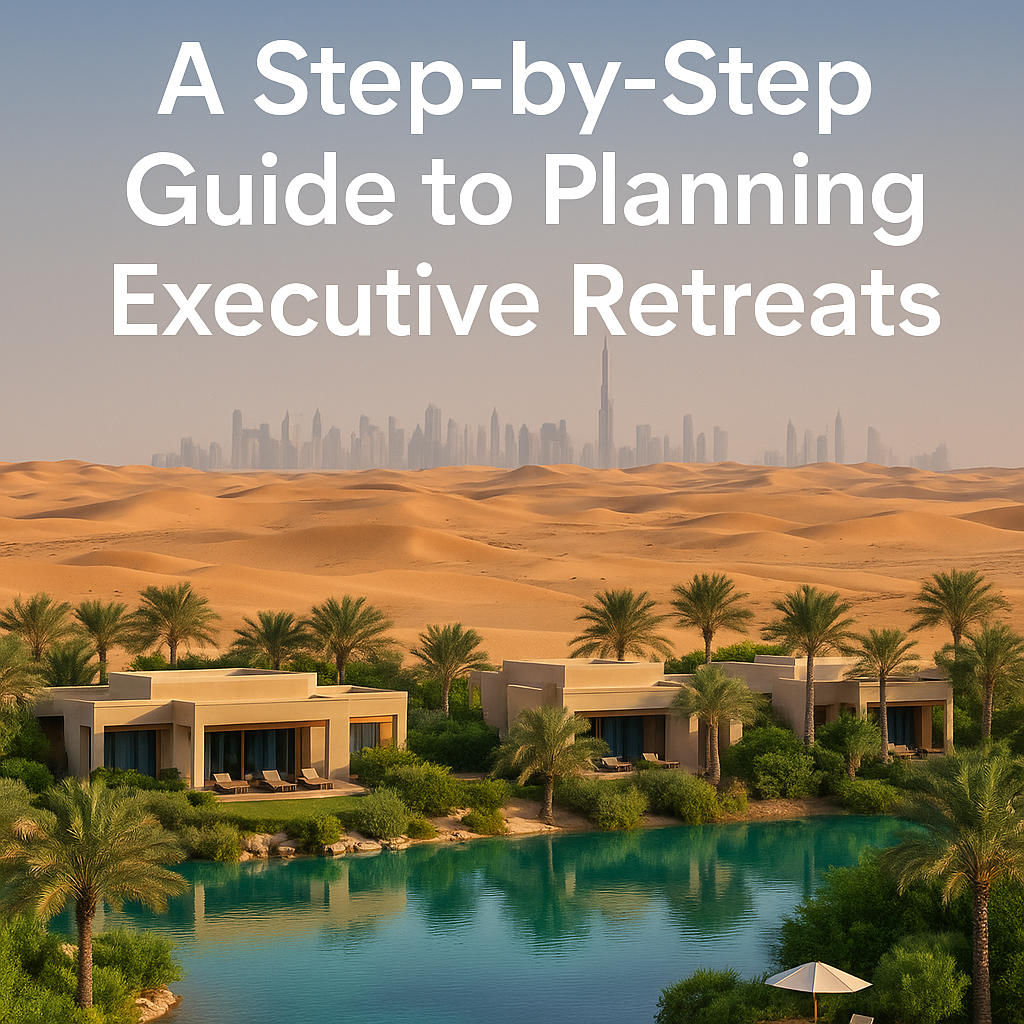
In today’s high stakes business environment, executive retreats have evolved into powerful tools for organizational strategy, leadership alignment, innovation, and rejuvenation. These exclusive getaways offer a unique setting for C-level executives to connect, collaborate, and chart the future without the distractions of daily operations. However, planning an effective executive retreat is a complex task that demands strategic foresight, attention to detail, and a deep understanding of your leadership team’s expectations. Whether you’re planning a high level C-level retreat, a Dubai leadership event, or a luxury corporate getaway, this guide will walk you through every essential aspect of executive retreat planning from defining objectives and scouting venues to curating experiences that inspire. Why Executive Retreats Matter 1. Strategic Alignment Executive retreats provide time and space for leadership teams to realign on long term goals, company vision, and strategic initiatives. 2. Leadership Development They create an immersive environment for leadership growth, collaborative problem solving, and critical thinking. 3. Relationship Building By removing office walls and formal hierarchies, retreats allow C-level teams to foster trust and camaraderie in more relaxed settings. 4. Innovation Incubation Executive retreats often serve as think tanks where bold ideas can surface and evolve outside the pressures of day to day management. Step-by-Step Executive Retreat Planning Guide Step 1: Define the Retreat Objectives Before booking villas or planning five star dinners, align internally on what you want to achieve: Tip: Make objectives measurable e.g., develop a 3 year growth roadmap, realign leadership roles, or launch a new business unit. Step 2: Determine the Attendee List Retreats must remain intimate for them to be effective. The typical executive retreat includes: Group Size: Ideal is between 6 and 15 people. Step 3: Set a Realistic Budget Your budget will determine everything location, accommodation, speakers, catering, and activities. Be sure to factor in: Pro Tip: Build a contingency of 10–15% for last-minute upgrades or emergencies. Step 4: Choose the Right Destination Your destination sets the tone for the entire experience. For Dubai leadership events, consider the following venues: Popular Executive Retreat Destinations in Dubai: Other top global destinations: Step 5: Plan the Itinerary Design a balanced itinerary that includes strategy, wellness, recreation, and luxury. Sample 3-Day Executive Retreat Agenda: Time Activity Day 1 09:00 AM Arrival & Welcome Breakfast 11:00 AM Opening Strategy Session 01:00 PM Gourmet Lunch 03:00 PM Workshop: Business Transformation 06:00 PM Sunset Yacht Cruise (Networking) 08:00 PM Private Chef Dinner Day 2 07:30 AM Morning Yoga or Desert Safari 09:00 AM Breakfast 10:00 AM Breakout Sessions (Sales, Ops, etc.) 01:00 PM Beach BBQ Lunch 03:00 PM Team Building Challenge 05:00 PM Fireside Chat with Guest Speaker 07:30 PM Dinner at Michelin-Star Restaurant Day 3 08:00 AM Breakfast + Closing Session 10:00 AM Group Feedback & Action Plan 12:00 PM Checkout and Departures Step 6: Select a Professional Facilitator Hiring a facilitator keeps the retreat on track. Look for: In Dubai, several firms specialize in executive coaching and leadership development tailored for corporate retreats. Step 7: Curate Executive-Level Experiences C-suite leaders expect exclusivity. Integrate high-end experiences such as: Step 8: Focus on Team Building High-level leaders also benefit from soft-skill alignment. Executive team-building ideas include: Step 9: Handle Logistics and Operations Don’t underestimate the importance of seamless logistics. Consider working with an event management company in Dubai with experience in corporate and executive retreats. Tasks to manage: Step 10: Evaluate and Follow Up After the retreat: Mistakes to Avoid Executive Retreat Planning in Dubai: A Unique Opportunity Dubai is uniquely positioned for executive retreat planning thanks to: Whether you’re planning for a C-level retreat or a leadership offsite, Dubai offers a sophisticated infrastructure, unique experiences, and flawless execution opportunities for corporate gatherings at the highest level. Executive Retreat Planning Checklist Frequently Asked Questions (FAQs) What is an executive retreat? An executive retreat is a high-level offsite meeting designed for company leaders to strategize, bond, innovate, and recharge in a distraction-free environment. How long should an executive retreat last? Most executive retreats last between 2 to 4 days. This duration offers enough time for strategic discussions, team bonding, and relaxation without overextending time away from business operations. What is the ideal number of participants? 6–15 is ideal for focused discussion, personal engagement, and flexibility in planning activities. How much does an executive retreat cost? It depends on location, group size, duration, and activity level. On average, a luxury executive retreat in Dubai may range from USD $2,000 to $6,000 per person for a 3-day retreat. How far in advance should we plan? For international executive retreats, plan at least 3–6 months in advance. Booking early ensures access to premium venues and experiences. What are the top team-building activities for executive retreats? Should we hire an event planner? Absolutely. Professional planners with executive-level experience can handle logistics, curate elite experiences, and ensure a seamless event from end to end. Planning an executive retreat is not just about luxurious settings it’s about creating space for vision, leadership, and meaningful connection. With proper planning, the right destination, and a well curated experience, your retreat can become a pivotal turning point for your organization’s future. For companies in the Middle East and beyond, Dubai remains a top-tier destination for transformative executive retreats offering world class hospitality, cultural richness, and limitless opportunities for strategic growth.
How to Create a Tech Forward Conference Experience
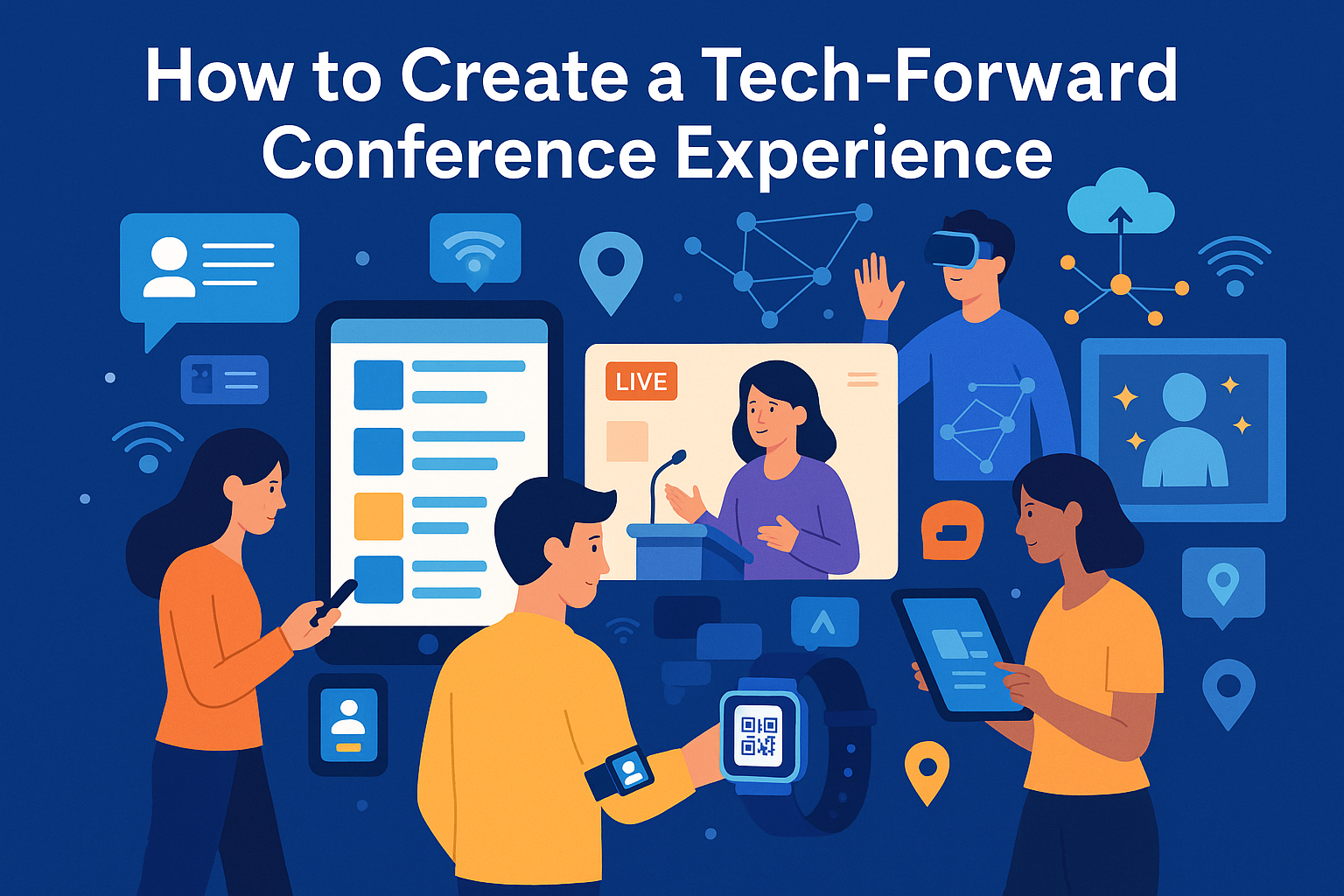
In today’s dynamic business environment, tech conference planning is no longer a novelty it’s a necessity. Attendees now expect seamless registration, real-time engagement, hybrid options, personalized content, and immersive experiences powered by smart technology. Whether you’re organizing a corporate summit, industry expo, or academic forum, leveraging cutting-edge tools can dramatically enhance the value of your event. This guide will walk you through the core components of a tech-forward conference experience, detailing how to integrate modern digital tools, use AI for engagement and logistics, deploy wearables and mobile apps, and create a hybrid conference experience that’s accessible and impactful. 1. Understanding the Shift: Why Tech-Forward Conferences Matter The Evolution of Business Events Gone are the days when a projector and microphone sufficed for a professional event. Post-2020, the global events industry underwent a seismic shift, pushing hybrid and virtual conference formats to the forefront. Alongside them came a demand for smarter engagement, real-time feedback, and data-driven planning—all powered by technology. Benefits of a Tech-Forward Conference 2. Core Technologies That Define a Smart Conference A. Conference Mobile Apps Smart conference apps serve as central hubs for attendees, offering: Popular apps: Whova, EventMobi, Attendify. Tip: Choose an app with AI-powered analytics and integrations with CRM tools for post-event engagement. B. AI-Powered Tools and Chatbots Artificial Intelligence is transforming tech conference planning by: Use AI tools like: C. Wearable Technology Wearables enhance the smart conference experience by: Examples: NFC badges, RFID wristbands, smart lanyards. Case Application: At large-scale tech expos, wearables can also be used to gamify the experience attendees earn points for exploring different booths, attending sessions, or participating in challenges. D. AR/VR Integration Augmented and Virtual Reality (AR/VR) can turn standard conferences into immersive playgrounds: Tools to explore: E. Virtual Event Platforms A strong virtual or hybrid platform is critical. Look for: Best-in-class options: Hopin, vFairs, ON24, and Airmeet. 3. Building the Hybrid Conference Experience A. Hybrid Is the New Normal More than 60% of attendees now expect events to be accessible remotely. A hybrid conference experience caters to both on-site and virtual participants without compromising either group’s engagement. B. Key Features of a Successful Hybrid Model C. Production Considerations 4. Digital Tools for Planning and Logistics A. Project Management Software Coordinate complex tasks using tools like: Use these for speaker scheduling, budget tracking, and team communications. B. CRM and Marketing Automation Platforms like HubSpot or Marketo can: C. Ticketing and Access Control Use QR-code-based e-tickets or RFID wristbands for: 5. Personalization and Data Analytics A. Personalization = Retention AI and data allow planners to: B. Post-Event Analytics Key metrics to monitor: Tools: Google Analytics (for websites), in-app analytics, CRM reporting, and survey feedback. 6. Sustainability Through Smart Tech Modern tech-forward conference planning also emphasizes sustainability: 7. Security and Compliance A. Cybersecurity Measures Ensure your platforms support: B. Access Control Leverage biometrics or mobile ID for high-security events such as defense or financial summits. 8. Networking in a Smart Conference A. Smart Matchmaking Let AI suggest attendee connections based on: B. Virtual Meeting Rooms Enable: 9. Sponsorship Activation with Tech A. Sponsored Sessions & Gamification Allow sponsors to: B. Data-Driven ROI for Sponsors Provide heatmaps, engagement reports, and contact leads generated during the conference. 10. Future Trends to Watch Frequently Asked Questions (FAQs) 1. What is a tech-forward conference? A tech-forward conference integrates the latest digital tools, platforms, and automation technologies to improve attendee engagement, streamline planning, and offer hybrid participation options. 2. How do I start tech conference planning? Begin by defining your goals, then choose technologies that align with those goals—whether it’s a mobile app, AI assistant, virtual platform, or hybrid format. Always prioritize user experience. 3. What is the best mobile app for conferences? Top-rated apps include Whova, EventMobi, and Attendify. Choose one with features like live polling, networking, and AI analytics. 4. Can small conferences also be tech-forward? Yes. Even intimate gatherings benefit from tools like QR check-ins, smart agendas, and hybrid streaming solutions. Many tools offer tiered pricing for smaller events. 5. What tech is essential for hybrid conferences? Reliable live streaming software, a mobile app, engagement tools (polls, Q&A), and CRM integrations are essential. Don’t forget good internet bandwidth and tech support. 6. How can I ensure data privacy at my event? Use platforms with secure encryption, data compliance certifications (like GDPR), and clearly communicate how attendee data is used. Creating a tech-forward conference experience is about more than adding gadgets it’s about transforming how people connect, learn, and engage. From AI-powered planning to wearable technology and immersive hybrid formats, every step of your tech conference planning journey can be optimized for both impact and efficiency. Start small if needed, but keep innovating. As the events industry evolves, those who invest in smarter, scalable, and sustainable tech will lead the future of professional gatherings.
The Role of Data Analytics in Event Success
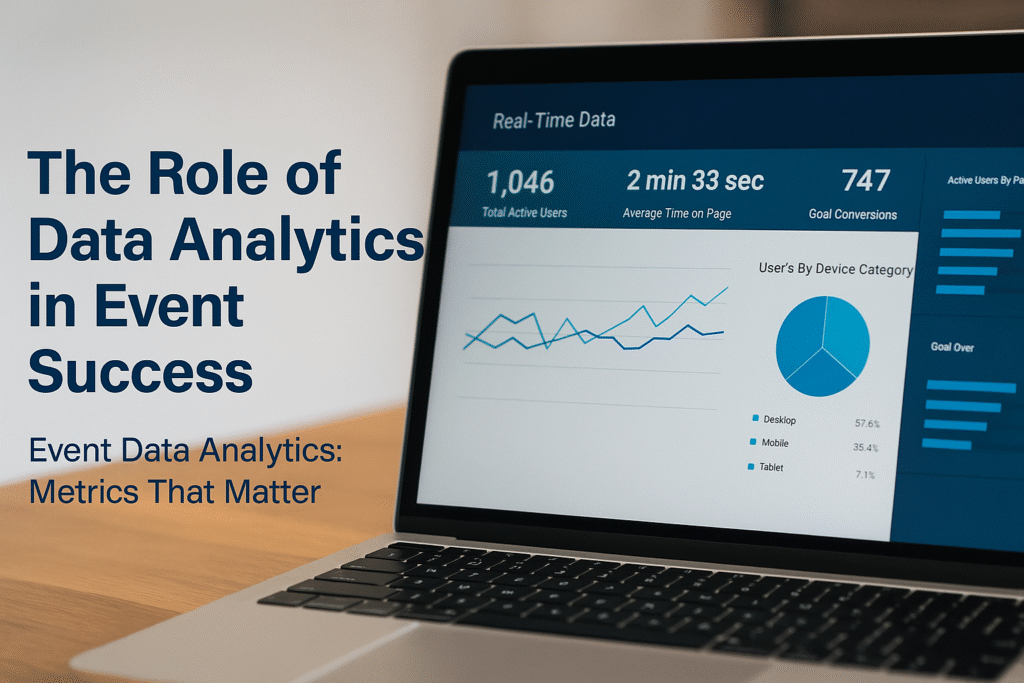
In the fast-paced world of events especially in competitive hubs like Dubai gut feelings are no longer enough. Data is now the most valuable asset when it comes to optimizing guest experiences, proving ROI, and ensuring operational excellence. Event data tracking in Dubai is redefining how planners and brands approach event success. From pre-event engagement metrics to on-site heat mapping and post-event sentiment analysis, every click, step, and interaction can now be measured. But what truly matters and how can you use it strategically? Why Data Matters in Modern Event Planning Event organizers are under pressure to demonstrate clear value. Whether it’s an international conference, brand activation, or luxury gala, stakeholders want answers to questions like: Data answers those questions. With the right systems in place, event professionals can track attendance, dwell time, engagement, lead generation, satisfaction, and spending patterns all in real time. What Event Data Can Be Tracked Here’s a breakdown of key event data points: Data Type Examples Pre-Event RSVP rates, email open/click rates, social impressions On-Site Check-in times, session attendance, badge scans, traffic flow Engagement App usage, live polls, Q&A submissions, gamification Post-Event Feedback scores, survey completion, NPS, follow-up clicks How Dubai Events Are Leveraging Data Analytics Dubai’s event scene is known for its innovation and scale. Leading planners are already incorporating: Real-world application: An international tech expo in Dubai used live session attendance data to switch breakout room allocations on the fly minimizing bottlenecks and improving guest satisfaction. Turning Insights into Action Collecting data is just the start. The real value lies in how you use it: Tools for Effective Event Data Tracking Some of the top tools that support event data tracking in Dubai include: When selecting a tool, ensure it integrates with your CRM, is GDPR-compliant, and offers real-time dashboards. Common Pitfalls in Event Analytics FAQs: Event Data Analytics in Dubai 1. What are the most important KPIs for tracking event success? It depends on the event, but common KPIs include: attendance rate, engagement levels (polls, Q&A, app use), session popularity, dwell time, and ROI per attendee. 2. How can I use data analytics for sponsor reporting? Show sponsor-specific metrics such as booth visits, badge scans, lead capture, and on-site dwell time. Data makes your sponsorship packages more valuable. 3. Is live data tracking expensive to implement? There are scalable solutions for different budgets. Even small events can use apps or RFID tags to collect valuable insights affordably. 4. How do I ensure privacy while tracking attendee data? Be transparent. Inform attendees during registration what data will be tracked and offer opt-outs where appropriate. Follow local and international privacy standards. 5. Can analytics improve future event planning? Yes analytics reveal which formats, timings, and channels work best, so each future event can be better informed and more strategic. In Dubai’s thriving events industry, data analytics has become a strategic advantage. From planning to execution and post-event reporting, the power to track, analyze, and optimize events is now in your hands. Event data tracking in Dubai is no longer a trend it’s a necessity. Embrace it, and your events will not only run smoother but also drive measurable, meaningful success.
Crafting Event Experiences That Resonate Emotionally

Introduction: Why Emotion Drives Modern Event Strategy In today’s experience driven culture, audiences want more than just impressive venues, flawless logistics, or well-known speakers they want to feel something. Whether it’s joy, nostalgia, excitement, or a sense of belonging, emotional engagement has emerged as a critical success factor in event strategy. At Celestine Event, we understand that emotional event experiences aren’t just creative flourishes they’re strategic tools that foster loyalty, create impact, and position brands as human, empathetic, and memorable. From private luxury dinners to high-level corporate conferences, emotionally intelligent event planning is now essential. The Psychology Behind Emotion in Events Why do emotionally charged events outperform others? The answer lies in human psychology. Studies show that: When guests connect with a story, message, or moment on an emotional level, they not only retain the experience they internalize the brand message associated with it. In other words, if your event leaves them feeling, it also leaves them remembering. Step-by-Step Guide to Creating Emotional Event Experiences 1. Begin with Emotional Intelligence (EQ) in Planning Understanding your audience’s emotional landscape is the foundation. Start by asking: Use insights from surveys, audience personas, and behavioral trends to develop a guest empathy map. This becomes the blueprint for crafting moments that truly connect. ✅ Pro Tip: Design not for what you want them to see, but for how you want them to feel. 2. Tell a Story Structurally and Sensually At the heart of every emotionally successful event lies a narrative arc. It doesn’t matter if you’re planning a product launch or a thought-leadership forum the best events have a beginning, a peak, and a resolution. Think of your event as a live, immersive story, where each element contributes to the narrative: 3. Design for the Senses The human brain responds intensely to sensory input. By leveraging sensory design, you can heighten emotional engagement across all attendee touchpoints. Sight Sound Smell Touch Taste 4. Personalization: The Shortcut to Emotional Engagement Luxury events thrive on detail and the most powerful detail is personal relevance. Ways to personalize emotionally: The more seen and known a guest feels, the more emotionally invested they become. 5. Create Shared Moments That Build Connection Emotional energy amplifies when it’s shared. Integrate moments that: Design your event like a social ritual a place where connection is not just possible but inevitable. 6. Match Luxury With Empathy Many assume emotional design is reserved for artistic or nonprofit spaces not true. Luxury and emotion complement each other perfectly when approached with authenticity. For example: Emotion doesn’t weaken professionalism it enhances brand humanity. 7. Build an Emotional Timeline Time your emotional peaks with intention: Your program flow should mirror emotional cadence, not just agenda slots. Keep room for spontaneity, and always close with meaning a thank-you, a story, a song, or a symbolic gesture. How to Sustain Emotional Impact After the Event Post-event communications should extend emotional connection: Remember: the emotional journey shouldn’t end at the exit. Common Mistakes to Avoid in Emotional Event Design FAQs: Crafting Emotionally Engaging Events 1. What defines an emotional event experience? An emotional event experience is one that engages the audience not only intellectually but also emotionally through storytelling, environment, design, and personal connection. The result is a lasting memory that deepens their bond with your brand. 2. Can emotional storytelling work in corporate events? Yes. Even corporate audiences are humans first. Whether through founder stories, meaningful presentations, or customer journeys, emotional storytelling makes corporate events more relatable, engaging, and impactful. 3. What are the most effective tools for emotional engagement? 4. How can I measure emotional success at events? 5. Does emotional design increase ROI? Absolutely. Emotionally engaged attendees are more likely to: Build with Emotion, Deliver with Excellence In the age of AI, automation, and overstimulation, the most powerful event asset is still deeply human: emotion. Brands that dare to connect on a personal level not just a visual one unlock a deeper kind of influence. And that’s where true brand loyalty begins. At Celestine Event, we design emotionally engaging events in Dubai and beyond, combining creativity, cultural intelligence, and luxury precision. Create experiences they’ll remember not just because they attended… but because they felt something.
How to Plan a Multi Venue Conference in Dubai
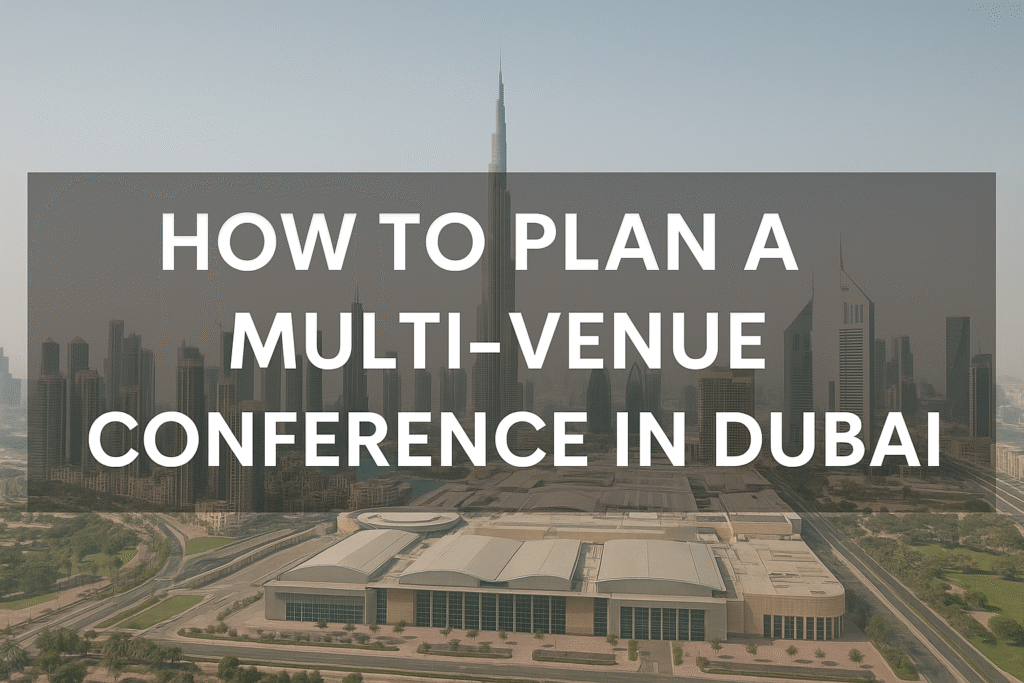
Dubai is a global business hub and a magnet for large-scale events. With world-class infrastructure and iconic venues, it’s an ideal city for ambitious, multi-venue conferences. However, planning a multi-venue conference in Dubai involves more than booking rooms it demands logistical finesse, seamless coordination, and advanced tech integration. In this article, we outline key steps and expert insights to manage multi-site planning while delivering a premium delegate experience. 1. Define the Conference Flow and Venue Functions Start with a venue matrix: define the purpose of each space keynotes, breakouts, VIP dinners, networking zones, exhibitions, etc. Determine: In Dubai, popular combinations include: 2. Prioritize Location Proximity and Travel Planning Efficient transitions are critical to keep attendees engaged. Consider: Tip: Avoid venues on opposite ends of the city during peak traffic hours. Celestine Event’s local network ensures strategic selection based on traffic flow and accessibility. 3. Integrate Smart Event Tech Tech is essential to unify multi-location operations. Use: This ensures consistency in experience while capturing analytics across all venues. 4. Streamline Branding Across All Locations Maintaining brand identity across multiple venues is key for professionalism and memory retention. Tactics include: Whether it’s a tech summit or financial forum, Celestine Event ensures every venue aligns with your brand message. 5. Coordinate Multi-Vendor and Venue Timelines Multi-site planning requires military-grade coordination. Avoid conflicts by: Use shared dashboards and cloud folders to sync all teams AV, F&B, décor, transport, and speakers. 6. Ensure Delegate Experience is Seamless Despite multiple locations, the guest experience should feel fluid and frictionless. Focus on: Delays, confusion, or poor crowd movement can disrupt flow—Celestine Event uses guest-centric planning tools to avoid these pain points. Frequently Asked Questions (FAQs) 1. What’s the biggest challenge in multi-venue conference planning? The biggest challenge is coordinating logistics like transport, setup, and AV across locations especially in a city like Dubai with dynamic traffic patterns. 2. How far apart should venues be for a successful conference? Ideally within 10–20 minutes by road to avoid attendee fatigue and ensure punctuality. 3. Can branding stay consistent across very different types of venues? Yes with portable brand elements, digital signage, and coordinated styling, your identity can remain cohesive. 4. How do you manage technical AV across multiple venues? Partner with a centralized AV provider who understands your technical specs and can replicate standards across sites. We handle this through pre-event site testing and dedicated tech teams. 5. What role does an event agency play in multi-venue events? An agency like Celestine Event handles logistics, vendor management, venue coordination, guest journey mapping, and emergency contingencies so you can focus on strategy and impact. Planning a multi-venue conference in Dubai is a high-stakes endeavor but also a major opportunity to impress, connect, and elevate your brand. With the right strategy, tech, and team, you can create an experience that feels seamless, luxurious, and unforgettable. Let Celestine Event manage the complexity while you take the spotlight.
The Rise of BTL Activations for Luxury Brands

In today’s saturated market, luxury brands can no longer rely solely on traditional advertising. To stand out, they must create memorable, intimate, and immersive experiences—and that’s where BTL (Below-The-Line) activations come in. Particularly in fast-paced, brand-forward markets like Dubai, BTL activations have become a key strategy for connecting with high-value customers on a deeper level. Let’s explore how BTL marketing in Dubai is redefining engagement for premium and luxury brands—and how you can leverage it for impact. 1. What Are BTL Activations? BTL activations are targeted marketing activities that bypass mass media to directly engage with a specific audience. Unlike ATL (Above-The-Line) tactics such as TV or billboard ads, BTL involves experiential, on-ground, or digital one-on-one interactions—creating personal and emotional brand connections. Examples include: 2. Why BTL Works for Luxury Brands Luxury marketing is about storytelling, exclusivity, and sensory experience—principles that align perfectly with BTL tactics. Here’s why it works: In Dubai, where consumers crave both innovation and prestige, BTL campaigns help luxury brands stay top-of-mind. 3. Popular BTL Activation Formats in Dubai Dubai’s cosmopolitan audience responds well to high-touch, visually captivating experiences. Top-performing BTL formats include: These formats blend visibility with personalization, giving consumers something traditional ads can’t: a moment with the brand. 4. Merging Luxury with Local Culture BTL activations in Dubai often blend international branding with local elements. At Celestine Event, we design campaigns that incorporate Arabic calligraphy, regional aesthetics, or culturally tailored hospitality—enhancing relevance while preserving global brand integrity. This approach strengthens emotional resonance and ensures cultural sensitivity for UAE audiences. 5. The ROI of BTL for High-End Brands While harder to measure than digital ads, the return on experience (ROX) from BTL campaigns is substantial: When done right, BTL activations aren’t expenses—they’re investments in brand longevity and consumer trust. 6. Partner with a BTL Marketing Specialist in Dubai Executing a high-impact BTL campaign requires more than logistics—it needs creativity, market insight, and flawless execution. Celestine Event brings all three. We specialize in BTL activations for luxury brands, combining artistic direction with strategic placement to ensure your audience connects with your brand in unforgettable ways. Frequently Asked Questions (FAQs) 1. What’s the difference between BTL and ATL marketing? ATL uses mass media like TV or radio for broad reach, while BTL focuses on direct, personalized engagement like pop-ups, samplings, and event-based interactions. 2. Why are BTL activations effective for luxury brands? They create exclusive, immersive experiences that allow luxury brands to connect emotionally and memorably with high-value customers. 3. Can BTL activations be measured for ROI? Yes, through metrics like attendee engagement, social media shares, post-activation sales, lead capture, and follow-up conversions. 4. What are the best venues in Dubai for luxury BTL activations? The Dubai Mall, DIFC, Design District, and pop-up-friendly outdoor venues like City Walk are top choices for high-footfall and premium audience exposure. 5. How does Celestine Event approach BTL marketing? We focus on immersive brand storytelling, strategic placement, local-cultural alignment, and luxury-level execution for unmatched brand engagement. BTL activations are no longer just an option—they are essential for luxury brands aiming to build real relationships with their audience. In Dubai’s competitive landscape, where experience equals brand equity, BTL marketing offers a strategic way to rise above the noise. If you’re ready to bring your brand to life in the most luxurious, meaningful way—Celestine Event is your partner in BTL excellence.
Sustainability in Corporate Events: Going Green Without Losing Luxury

In a world where environmental responsibility is no longer optional, corporate events in Dubai are evolving to reflect both eco-conscious values and uncompromising luxury experiences. At Celestine Event, we believe that sustainability should enhance not hinder the elegance of a high-profile event. From carbon-neutral production to eco-friendly materials and waste-reduction strategies, the new era of sustainable corporate events is not just a trend it’s a statement. This guide explores how you can integrate sustainable event planning into your next corporate gathering in Dubai without sacrificing style, innovation, or impact. 1. The Rise of Sustainable Corporate Events in Dubai Dubai has quickly become a global hub for eco-conscious innovation, with government initiatives such as the Dubai Clean Energy Strategy 2050 setting a strong foundation. Corporate brands are now expected to reflect these values in how they conduct business—events included. Luxury and sustainability can, and should, coexist. High-end clients now expect environmental stewardship as a component of exclusivity. Green is the new gold. 2. Eco-Friendly Venue Selection Choosing a venue is one of the most impactful decisions when planning a sustainable luxury event. Look for: Dubai World Trade Centre and Sustainability Pavilion at Expo City are examples of venues that align luxury with sustainability. 3. Sustainable Decor and Design At Celestine Event, our design team blends opulence with environmental awareness using: Luxury doesn’t require excess it requires intention. 4. Eco-Conscious Catering and Beverage Services A responsible F&B strategy is key: Also consider water stations over single-use plastic bottles and encourage glassware rentals. 5. Sustainable Guest Experiences Integrate sustainability into the experience: Let attendees experience sustainability in subtle, luxurious ways that align with your brand’s vision. 6. Waste Management and Offsetting A zero-waste mindset is central to modern luxury events: 7. Partner with a Sustainable Event Agency in Dubai At Celestine Event, our sustainability commitment is built into every stage of our planning. We work with top-tier green vendors and employ environmentally responsible logistics while maintaining the elevated standards our clients expect. Whether it’s a boardroom gala or a product launch, sustainable event planning in Dubai is possible without compromise. Frequently Asked Questions (FAQs) 1. Can a corporate event be both luxurious and sustainable? Absolutely. With thoughtful planning and the right vendors, sustainability enhances the elegance and innovation of an event rather than limiting it. 2. What are the best sustainable materials to use in event decor? Recycled wood, organic textiles, biodegradable floral foam alternatives, LED lighting, and reusable or compostable installations are top choices. 3. How can food waste be minimized at corporate events? Use RSVP confirmations for accurate headcounts, offer smaller plated portions, and donate leftovers through local food sharing initiatives. 4. Are there eco-friendly venues in Dubai? Yes. Several venues like the Sustainability Pavilion at Expo City, Green Community venues, and certified hotels provide eco-conscious infrastructure. 5. How do I communicate my event’s sustainability efforts to guests? Use signage, your event website, or a short opening speech to highlight sustainable choices and encourage participation in eco-friendly practices. Planning a sustainable corporate event in Dubai doesn’t mean compromising on luxury. Instead, it creates an opportunity to showcase your brand’s innovation, responsibility, and leadership. By collaborating with Celestine Event, you’ll craft an experience that’s eco-conscious, elegant, and unforgettable.